
21 Seed Case Studies by AFSA
These twenty one case studies have been collected from nine African countries and India. From the most hostile environments of the Sahel (Niger) to equatorial wetlands (Gabon), saline soils (Tanzania) and oases (Tunisia), the authors show us how farmers’ varieties meet the nutritional and economic needs of populations in traditional, agroecological production systems.
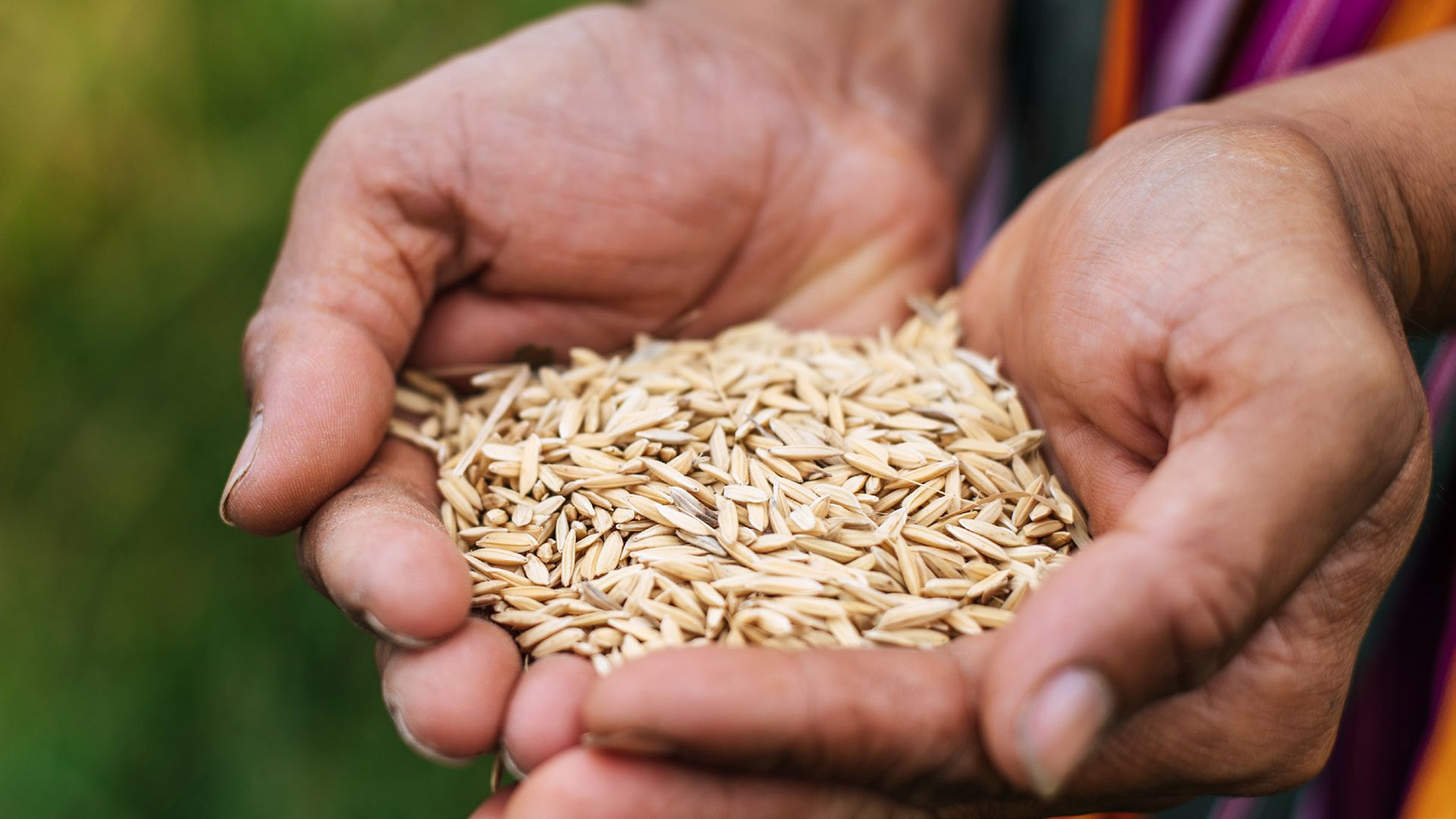
In Africa, farmers’ seeds are the basis of agricultural production, diverse and healthy food systems across the continent. The Farmer managed seed system (FMSS) is the dominant system for food crops and agrobiodiversity conservation for family farmers. They persist – and thrive – despite well-funded programs promoting corporate seed and the industrial food and agriculture regime they are part of, whilst receiving little or no support from public policies and frequently denigrated in the public narrative. Seeds are about culture, tradition, spirituality, cooperation, solidarity and survival, providing diverse and healthy food to feed families every day, and livelihood. Today’s seed embodies centuries of knowledge about how to conserve, exchange, plant and guide it to fruitful expression. Africa’s rich diversity of food crops is thanks to diverse ecosystems to local farming communities – notably women, the custodians of seeds.
In its continuous quest for food sovereignty, the Alliance for Food Sovereignty in Africa (AFSA) scales up the positive narrative behind farmers’ seed varieties outdated and outlawed by corporations.
These twenty one case studies have been collected from nine African countries and India. From the most hostile environments of the Sahel (Niger) to equatorial wetlands (Gabon), saline soils (Tanzania) and oases (Tunisia), the authors show us how farmers’ varieties meet the nutritional and economic needs of populations in traditional, agroecological production systems.
(text from AFSA)