
Agroecological practices for leafy vegetables and sweet potatoes in Kenya
Walatsi Locational Self-Help Group is a group of smallholder farmers that hails from Busia County, Nairobi Kenya. Through the support of the Nutrition in City Ecosystems (NICE) project the group was educated in agroecological practices (AEPs) and is now producing nutritious leafy vegetables with the practices learned.
AFS Newsletter - Member Article by

Swiss Tropical & Public Health Institute
LinkedIn | helen.prytherch@swisstph.ch
together with: Elizabeth Imbo, Project Manager Kenya; Annette Wachira, Communications Officer NICE Kenya; Charles Nwokoro, Sustainable Agroecosystem Group, ETH-Zürich
Walatsi Locational Self-Help Group is a group of smallholder farmers that hails from Busia County, Nairobi Kenya. Through the support of the Nutrition in City Ecosystems (NICE) project the group was educated about agroecological practices (AEPs) and is now producing nutritious leafy vegetables with the practices learned. Some of the AEPs being implemented by the group include indigenous vegetable seed bulking, composting, and the use of biopesticides. The African leafy vegetables produced by the group include black nightshade, spider plant, and crotalaria. The farm produce is either for household consumption or sold at local community markets.
This is part of wider efforts of the NICE project to promote agroecology and safe nutritious food among the farmers and the community. Among the elements of agroecology being implemented by the group, the focus is on efficiency, resilience, and co-creation. Tapping into indigenous knowledge, the group can control economic pests through integrated pest management (IPM) avenues such as cultural, biological and physical control with chemical control as the last resort. By using a mixture of locally available stinging nettle, tithonia, neem tree, Mexican marigold, cow dung, blackjack plant, and beans, the group organically controls vegetable pests such as aphids, white flies, thrips, red spider mites, scales, mealybugs, and sweet potato weevils. One of the key ingredients in the organic pesticide is the Mexican Marigold plant. It is popular among farmers in Busia for its pesticidal qualities when mixed with other ingredients. It has a pungent smell which repels pests of leafy vegetables like aphids and nematodes.
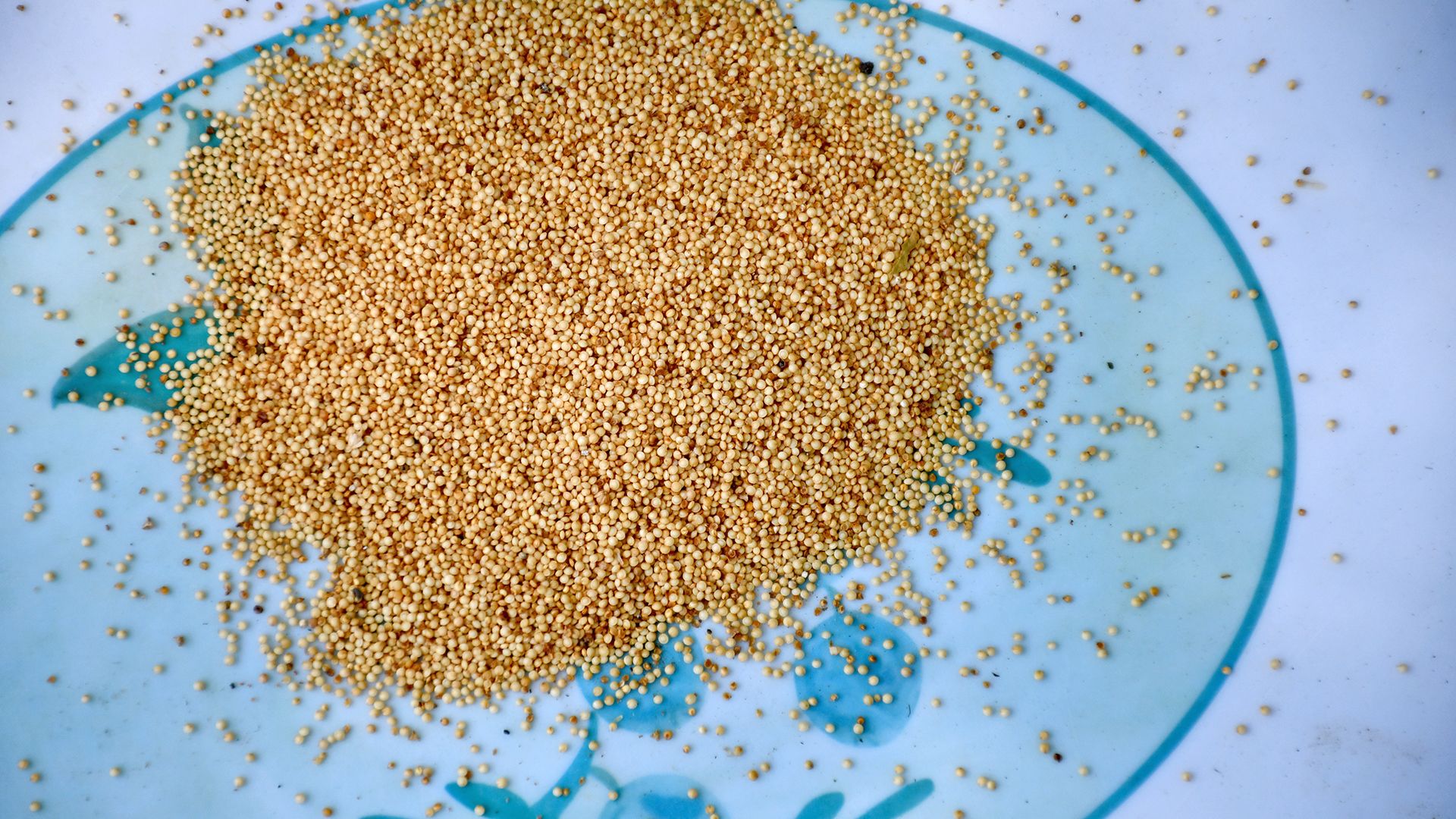
On the bulking of seeds of Indigenous vegetables e.g., spider plant (Sagaa), the group members are involved directly with the production of leafy vegetables until seed maturity for harvesting, storage, and sale to other vegetable farmers. Similarly, the group also multiplies vines of orange-fleshed sweet potatoes and sells them to other producers for profit. The diversity of seeds produced and traded by the group members guarantees almost a year-round income through seed bulking. Further, it guarantees self- and local dependence on locally adapted seeds for uninterrupted seed supply chain and farming. The promotion of agroecology and its adoption by some farmers in Busia is gaining popularity. However, more efforts are needed to ensure that more farmers become familiar with the various agroecological practices and able to communicate clearly about their benefits.