
Egyptian pumpkin production with innovative biofertilizers for sustainable agriculture
As Egypt faces rising agricultural challenges from climate change, soil degradation, and increasing salinity, innovative farming solutions are becoming essential for food security and farmer livelihoods. The country's agricultural sector, which employs nearly 25% of the population, requires sustainable practices that can boost productivity while preserving environmental health. A success story from Gamasa city, Dakahlia Governorate demonstrates how advanced and innovative biofertilizer technology is transforming pumpkin cultivation, offering Egyptian farmers higher yields, better quality highly production, and reduced environmental impact.
AFS Newsletter - News by
BioPyramids Biotech and Royal Green Technologies (RGT)
mohamed.salem@gebri.usc.edu.eg | LinkedIn
Nutritional powerhouse
Pumpkin contains a variety of active ingredients that contribute to its nutritional and health benefits. It is rich in carotenoids, especially beta-carotene, which the body converts into vitamin A and uses for vision and immune support. Pumpkin also provides vitamin C, vitamin E, and B vitamins, which act as antioxidants and support metabolism. In addition, it contains minerals such as potassium, magnesium, and iron, as well as dietary fibre that promotes digestive health. Pumpkin seeds are particularly valued for their content of zinc, protein, and healthy fatty acids, making both the flesh and seeds a source of bioactive compounds with nutritional and medicinal value.
Breakthrough results with NovaPlus and NovaQ technology
Under the expert supervision of Prof. Dr. Mohammed Fathy Salem, agronomists from Royal Green Biotech for Organic Agriculture have documented remarkable achievements in pumpkin production using sustainable biofertilizer solutions. Their comprehensive study of “Amma El Sultan” pumpkin cultivation across 5 feddan in Gamasa reveals how sustainable agricultural inputs can dramatically outperform conventional methods.
The innovative approach centres on two key biofertilizer products: NovaPlus for soil nutrition and NovaQ for foliar applications. This integrated system addresses multiple agricultural challenges simultaneously, from soil fertility enhancement to disease prevention, while maintaining environmental sustainability.
Superior crop performance and quality
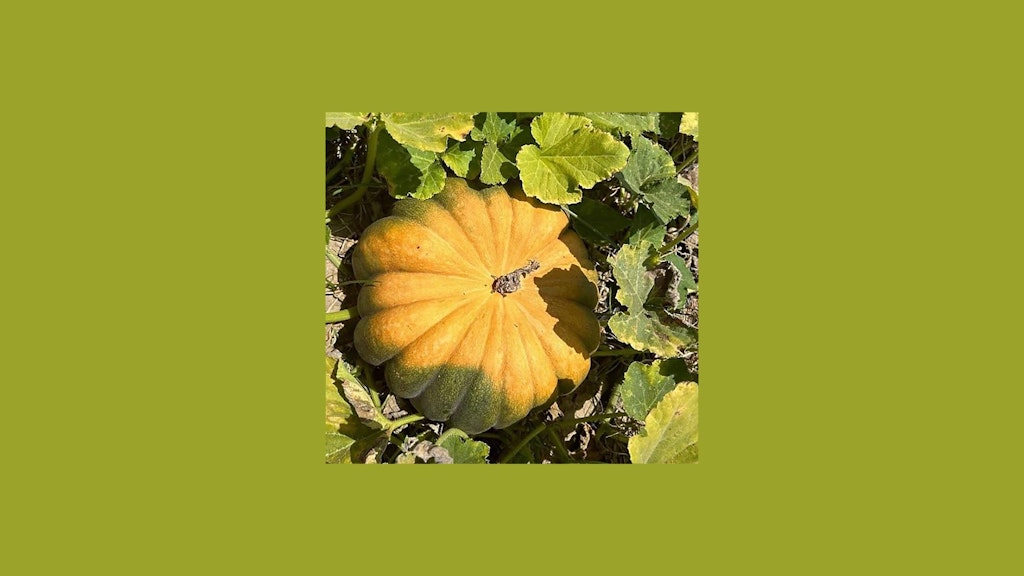
The “Amma El Sultan” pumpkin variety, enhanced with the NovaPlus and NovaQ system, demonstrates exceptional characteristics that benefit both farmers and consumers. The uniformly shaped fruits feature attractive golden exteriors and rich orange flesh with high dry matter and sugar content. With a growing cycle of 110-125 days, farmers can achieve remarkable productivity exceeding 120 tons per feddan under proper management.
Perhaps most significantly, the organic production approach using these biofertilizers yields 100-120 tons per feddan, substantially outperforming chemical production methods that typically achieve only 20 tons per feddan. This 500% increase in productivity represents a game-changing advantage for Egyptian farmers seeking to maximize their income while adopting sustainable practices.
Precision application protocol
The success of this program lies in its precise, science-based application protocol. Per Feddan (4200 m2), farmers apply an average of 160 litres of NovaPlus for comprehensive soil fertilization, complemented by 20 litres of NovaQ for targeted foliar spraying. This measured approach ensures optimal nutrient delivery while minimizing waste and environmental impact.
The system's versatility allows cultivation across Egypt's diverse agricultural regions, with adapted planting schedules: March-April in Lower Egypt, February-March in Upper Egypt, and January-February in warmer Delta regions with protective measures. The crops demonstrate remarkable tolerance to moderate salinity (up to EC 2.5), making them suitable for challenging soil conditions increasingly common due to climate change.
Integrated pest and disease management
Beyond enhancing productivity, the NovaQ foliar spray serves a dual purpose as an effective disease prevention tool. Applied as preventive foliar sprays at 0.35 litres per 25 litres of water, it helps control common challenges including powdery mildew, fusarium wilt, and various fungal infections that typically plague pumpkin cultivation.
This integrated approach reduces reliance on chemical pesticides while maintaining crop health, aligning with global trends toward sustainable agriculture and food safety. The program's emphasis on crop rotation and resistant varieties further strengthens its environmental credentials.
Scaling sustainable agriculture in Egypt
This success story demonstrates how advanced biofertilizer technology can address Egypt's most pressing agricultural challenges. By combining traditional farming knowledge with cutting-edge biological solutions, the NovaPlus and NovaQ system offers a replicable model for sustainable intensification across the country's agricultural sector.
The remarkable 500% productivity increase achieved through organic methods not only enhances farmer incomes but also contributes to national food security goals. As Egypt continues to navigate climate change impacts and growing population demands, such innovative approaches provide hope for a more sustainable and productive agricultural future.