Egyptian success: self-sufficiency with organic vegetables
Food insecurity is a major problem around the world, especially in African countries. Egypt is one of the most vulnerable countries that will be affected by climate change, and promoting sustainable agriculture is vital to mitigate the effects resulting from climate change. The latest success story follows two married local farmers and their quest to transform their small farm into a successful business while maintaining self-sufficiency in their organic vegetable needs. BioPyramids Biotech taught them how they can cultivate and produce organic vegetables for their needs and for consumers in their village in an eco-friendly manner.
AFS Newsletter - Member Article by
Professor of Organic Agriculture and Biological Control
CEO, BioPyramids Biotech
mohamed.salem@gebri.usc.edu.eg
According to the FAO, around 12 million hectares of land are degraded each year. Conventional farming is unsustainable, and often results in degraded lands, where farmers search for new lands to cultivate. Additionally, climate change is predicted to affect African and Mediterranean countries, which Egypt happens to be both. In the light of these problems, BioPyramids Biotech aims to encourage local Egyptian farms to apply organic agriculture practices and avoid the reliance on chemical fertilizers and pesticides. This is a story about how 2 married couple achieved self-sufficiency in vegetables for their family, and used the additional produce as a source of increasing their income.
Small Farm, Enormous Aspirations
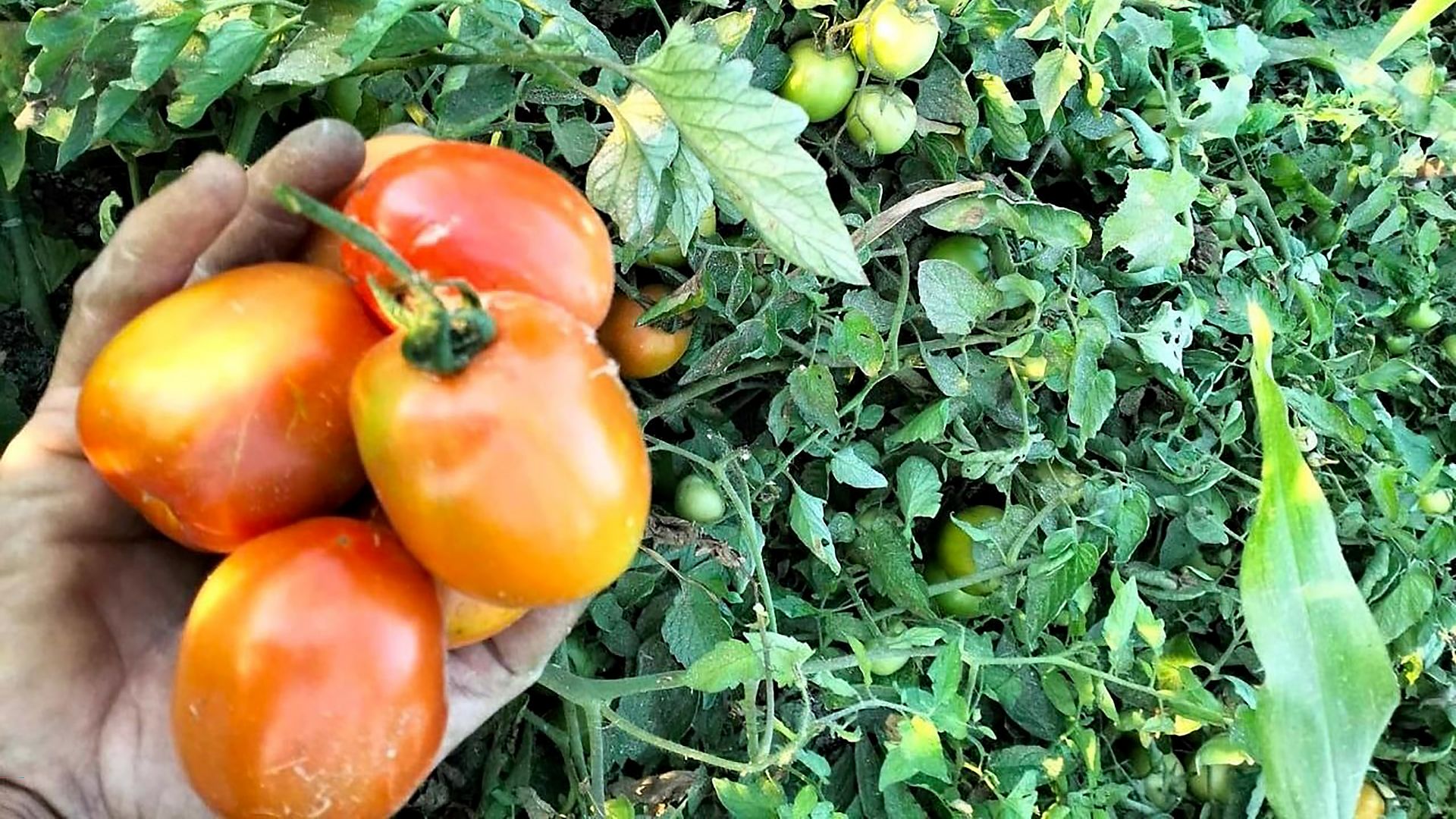
Amr and Hadeer are married, local farmers with a considerably small farm, measuring only about 700 meters (4 kirat, and each kirat is 175 meters). The couple has a simple dream: to produce healthy, safe food for their family and community. To achieve this dream, the couple understood that conventional farming is not the system to adopt, and they wanted to adopt organic farming to preserve the health of their soil and farm. Since the couple was already aware of our work, they consulted our technical support team to realize their dream of growing organic vegetables without synthetic chemicals. With the guidance of the technical support team, Amr and Hadeer began transforming their small farm into a thriving organic food forest. They learned about composting, crop rotation, and natural pest control methods. They applied poly-culture techniques to grow various vegetables including Tomatoes, Bell peppers, Peppers, Eggplant, Zucchini, okra and green Mulukhiyah (jute).
«Organic» Does Not Mean Expensive
Amr and Hadeer used composted animal manure and the company’s biofertilizers i.e. NovaPlus and NovaQ instead of chemical fertilizers in their small own farm. Although most people have the notion that organic means expensive treatment, that is not true. The animal manure was obtained from the small livestock farm that the couple had, and the biofertilizers of the company are much cheaper than traditional Argo-chemicals. For example, a 20 Liters jar of «NovaPlus» costs less than 10 USD, or 9 Euros (490 EGP). The affordable prices of our products ensure that small farm owners and amateurs entering the field are able to grow their farms sustainably without worrying about high capital. Amr and Hadeer followed the instructions of the technical support team of Professor Salem, closely without purchasing or applying external products to minimize costs. To control pests and diseases, the couple applied Integrated Pest Management (IPM) and never used any chemical pesticides. Instead, they utilized intercropping and natural control agents to manage pests. The most notable control agents detected in the farm were the ladybird beetle (specifically, coccinella undecimpunctata) and the green lacewing (Chrysoperla carnea), which are voracious predators of aphids (Aphidoidea), one of the most common pests in Egypt. The advantages of using IPM over pesticides include lower costs by not buying pesticides; no risk of pesticide residues in vegetable; and promoting control agents and pollinators like Honey Bee in the farm.
You Reap What You Sow
The couple decided to leave 1 Kirat (175 m2) for their own consumption, and the other 3 Kirat (525 m2) will be used to sell organic vegetables to local residents and neighbours. Amr and Hadeer started to take orders from their friends and neighbours to fulfil their needs, and soon waitlists emerged from the continuous demand for their vegetables. The couple decided to sell their organic produce as the same price as the conventional produce. Their rationale was to attract local residents to buy their organic produce, and they knew they could only achieve this with competitive prices. Food safety, although significantly important, is not a priority to Egyptians in rural areas; cheap price has the highest priority. BioPyramids Biotech has a small organic shop called OrganoFood, which accepts and sells organic produce at cheap prices from nearby local farms. Amr and Hadeer occasionally sold some of their produce in OrganoFood store. The couple was astonished that only 1 Kirat was enough to fulfil the vegetable needs of 8-10 people. Amr and Hadeer's farm soon became a model for sustainable agriculture in their region. They opened their doors to curious visitors, students, and fellow farmers, sharing their knowledge and experiences. Workshops on organic farming techniques, composting, and natural pest control became regular events, empowering others to adopt similar practices.
Sustainable Future
Through their hard work, Amr and Hadeer not only achieved their dream of producing healthy, safe food but also inspired a movement towards more sustainable farming practices. Their small farm, once just a modest plot of land, became a viable source of income. Amr and Hadeer’s success story began to inspire neighbouring farmers and communities, proving that organic farming could be both environmentally friendly and cost-effective. In the future, the couple aims to expand their production and apply organic practices to their farm. The couple will try the company’s product «BioFactor», which is a probiotic solution, on their livestock to observe how it improves the health of their animals. They plant to start making their own compost and to start owning apiaries to have a closed-system. By making their own compost, Amr and Hadeer hope to reduce waste and enrich the soil naturally, which will lead to healthier crops and a more robust yield. The addition of apiaries will not only support pollination but also provide honey, beeswax, and other by-products that can be sold locally, further diversifying their income streams. They envision a farm where every element works in harmony to create a self-sustaining ecosystem.