
How a woman farmer was empowered by ZARI’s Groundnut seed
In Kagunda village, located in Chipata, Mrs. Phiri’s once meagre groundnut harvests have transformed into a thriving success story, thanks to the Market and Seeds Access Project (MASAP), a 12-year initiative funded by the SDC and implemented by a consortium of organisations in Zambia and Zimbabwe, including the Zambia Agriculture Research Institute (ZARI). After receiving high-quality seeds and training through MASAP, she produced a yield of 450 kg of groundnuts from only one acre of land, securing food for her family and earning a substantial K9000.
AFS Newsletter - Member Article by
Rutger Persson
NIRAS
rutger.persson@niras.com
The story of Mrs. Matilda Phiri
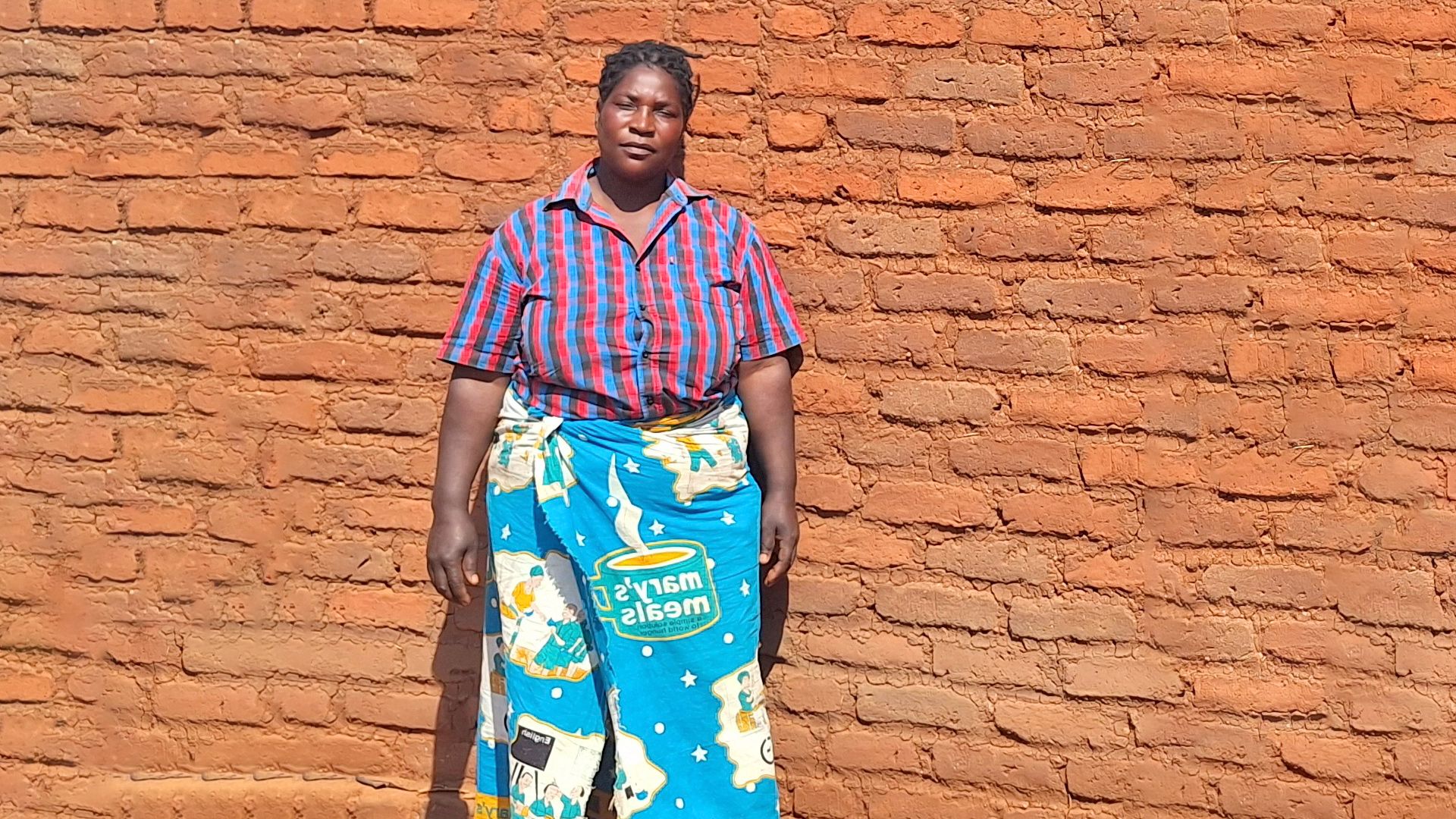
A member of the DMI Lily wom-en's club in Kagunda village, Mrs. Phiri had long struggled with meager groundnut harvests. However, her engagement with the Zambia Agriculture Research Institute (ZARI), facilitated by MASAP, has brought about a remarkable change. Mrs. Phiri received access to 25kg of high-quality groundnut seeds from ZARI. Following the program's training on good agricultural practices, she planted the seeds on a single acre of land. Mrs. Phiri's harvest yielded a staggering 30 bags of unshelled groundnuts! After shelling, she obtained a remarkable 450kg. Not only did she secure food security for her family by keeping 5 bags for personal consumption, but she also managed to sell 25 bags of shelled groundnuts back to ZARI at a profitable K20 per kilogram. This translated into a significant income of K9000! Mrs. Phiri's newfound income empowered her to invest in her family's future. She purchased two goats for breeding, ensuring a sustainable source of income and meat for her family. Additionally, she used the funds to buy fertilizer for future harvests and even built a small house for her late sister's children.
But Mrs. Phiri's story extends beyond personal gain. She's a strong advocate for the «private sector lead approach» of MASAP. This program provides readily available seeds, a reliable market, and crucial knowledge on farming techniques, all of which empower smallholder farmers, particularly women, to increase their productivity and income. She expressed her gratitude for MASAP's support and requested an increase in the seed allocation to 40kg. With this increase, she envisions expanding her production to two acres, allowing her to not only multiply her goat herd but also diversify her crops, potentially including maize, for even greater food security and income generation.
Mrs. Phiri's story is a powerful testament to the transformative power of linkages between seed producers and smallholder farmers. It goes beyond providing seeds; it empowers women, strengthens communities, and fosters a brighter future for Zambia's small-holder farmers.
About ZARI
The Zambia Agricultural Research Institution (ZARI) is the largest agricultural research entity in Zambia with 10 research stations country wide. ZARI’s mission is to contribute to the welfare of the Zambian people through the provi-sion of technologies and knowledge that enhance household food securi-ty and equitable income-generating opportunities for the farming com-munity and agricultural enterprises while ensuring the maintenance of the natural resource base . ZARI’s overall objective is to generate and adapt crop and soil technologies in order to increase agricultural productivity and diversify produc-tion. This includes the development of low-cost sustainable farming systems for all. ZARI’s mandate is to release legume varieties that are high yielding with farmer preferred traits, offer advisory services and trainings and the production of materials that can be used in the production of quality legumes by small holder farmers, commercial farmers, and processors. The main market for ZARI is comprised of 75-85% of Seed companies and 15-25% of other organisations including Non-Governmental Organisations (NGOs), that procure high quality foundation seed.