How to apply agroecology in your food system interventions?
This part aims to explain how to apply agroecology to food system interventions. It provides concrete examples of integrating agroecological principles at different levels of the food system, as well as key international resources and tools.
The SDC’s work in food systems is based on the Food System Model developed by Foresight4Food. This model helps to understand the relationships between different components of a food system and their connections with society and the environment. It includes activities carried out by different actors, such as food production, processing, distribution, and consumption, all of which collectively influence the system's functioning and outcomes. The model also highlights the role of supporting services—like infrastructure, transportation, finance, information, and technology—in shaping these activities. Additionally, the behaviour of actors within the food system is affected by the institutional environment, including relevant policies, regulations, and organisations. For more detailed explanations on the Food system Concept, please refer to the sections “FS Concept” and “Working with the FS Concept”.
The following sections go through the different levels of the food system model – from production to consumption, as well as institutional environment – and illustrate how agroecological principles can be applied at each stage. Each section follows a similar structure. First, a table outlines the key agroecological principles relevant to that level of the system, along with examples of practices that embody these principles. Next, “good practices” are highlighted, which are strategies or approaches proven to be effective in various contexts. Finally, an example project and additional resources are provided for further exploration.
Food production – Agriculture & Livestock
Food production encompasses the cultivation of crops, the raising of animals for meat, as well as dairy and other animal products, and fishing or aquaculture. It naturally has a significant impact on the environment and society, affecting natural resources, biodiversity, the health of farmers and consumers, as well as job opportunities and the local economy. Agroecology, as mentioned earlier, aims to make food production both environmentally sustainable and socially equitable. The table below outlines some key principles of agroecology that applies at the food production level with example of practices that embody these principles.
According to the FAO, 90% of the 570 million farms worldwide are managed by an individual or a family and rely primarily on family labour. Small-holder production may be primarily subsistence (food crops) or commercially focused (cash crops – cocoa and coffee being especially common small-holder crops), or a mix of both with livestock integrated into the system. The latter system is perhaps most common, with the livestock serving as a source of dung and draught power for cropping as well as potentially meat, milk and hide or wool. Especially where land holdings are too small to yield adequate food for the year, household income may be enhanced by off-farm work, whether part-time, seasonal, or longer term in nature.
Land cultivated by small-holders is quite commonly owned by others – wealthy landlords, companies, or the State. These owners may intervene on the choice of crop and cropping regime, especially if perennial crops are involved. In addition, gender differences are important. It tends to be men who own the land (at least de facto if not de jure), with women having few (if any) rights. Yet it is often women who are most interested in food crops and healthy nutrition for the family; men tend to have more interest in commercial crops. Agricultural as well as food processing tasks are also often gender specific. For example, men are more likely to be responsible for ploughing and field maintenance whilst women are more likely to conduct sowing, planting out, and weeding.
Adopting agroecological practices can be challenging for producers due to the perceived risk of reduced yields. However, under the right conditions, agroecological farming practices can yield comparable results to conventional farming (FiBL, 2024). To promote them effectively, key elements must be considered:
Farmer training and support: Agroecology requires specific knowledge and understanding of local conditions to prevent yield losses during transition. For a comprehensive overview of different learning models, check the Inventory of selected learning models and tools for Agroecology.
Balance labor demands: Agroecological practices may demand a higher investment of labor, particularly for pest and disease prevention, daily crop management, and on-site preparation of inputs. It is therefore essential to promote agroecological practices suited to the farmer’s capacities, considering aging rural populations and decreasing family labor in the world.
In the context of the CROPS4HD project, Swissaid established community seed banks in villages in Niger to support the production of underutilised traditional crops. Managed by local farmers, these banks preserve varieties that are resistant and adapted to local conditions. This initiative promotes agroecological practices by addressing the needs of communities with limited resources and foster their autonomy.
Today, food products are primarily sold in a globalised market characterised by long supply chains and significant profit margins for distributors. This system is largely controlled by major agricultural and industrial companies that prioritise profit-driven practices. Consequently, it tends to promote large-scale monocultures that heavily rely on chemical fertilisers and pesticides. In contrast, agroecology seeks to establish shorter supply chains that strengthen the connections between consumers and producers, ensuring access to fresh and healthy products for everyone. It supports the development of small-scale agricultural enterprises that operate locally and incorporate social and environmental considerations into their objectives and values. The table below contains the key principles of agroecology to be upheld at this level, along with examples of practices to promote and avoid.
Critics of agroecology often question the economic viability of businesses involved in the production, distribution, or sale of agroecological products. They argue that agroecology leads to lower yields, unquantified costs and risks, and therefore reduced profits. However, an increasing body of evidence demonstrates that agroecological enterprises can not only be economically viable (See biovision's info pool), but also more resilient in the long term. Nevertheless, for this to be achieved, it is essential to move away from conventional pathways, particularly by:
Foster networks and farmers organisations: Bringing producers together through cooperatives or associations enables them to pool resources and establish local markets. Sufosec's guidance on fostering equitable markets for agroecological transition outlines effective strategies for promoting these local and equitable markets.
Acting on both supply and demand : It is essential to improve not only the supply of agroecological products but also to stimulate demand. Alternative networks, such as direct sales to consumers, restaurants, and local institutions, offer effective avenues for developing market outlets and avoiding the high costs associated with traditional certification systems.
Participatory Certification Systems (PGS) : Participatory certification systems can enable small-scale producers to sell their products at higher prices through more accessible and cost-effective procedures. However, these systems can present challenges, including time-consuming setup, lack of rigorous monitoring, and issues with market recognition. For more information, see IFOAM introductory video to PGS
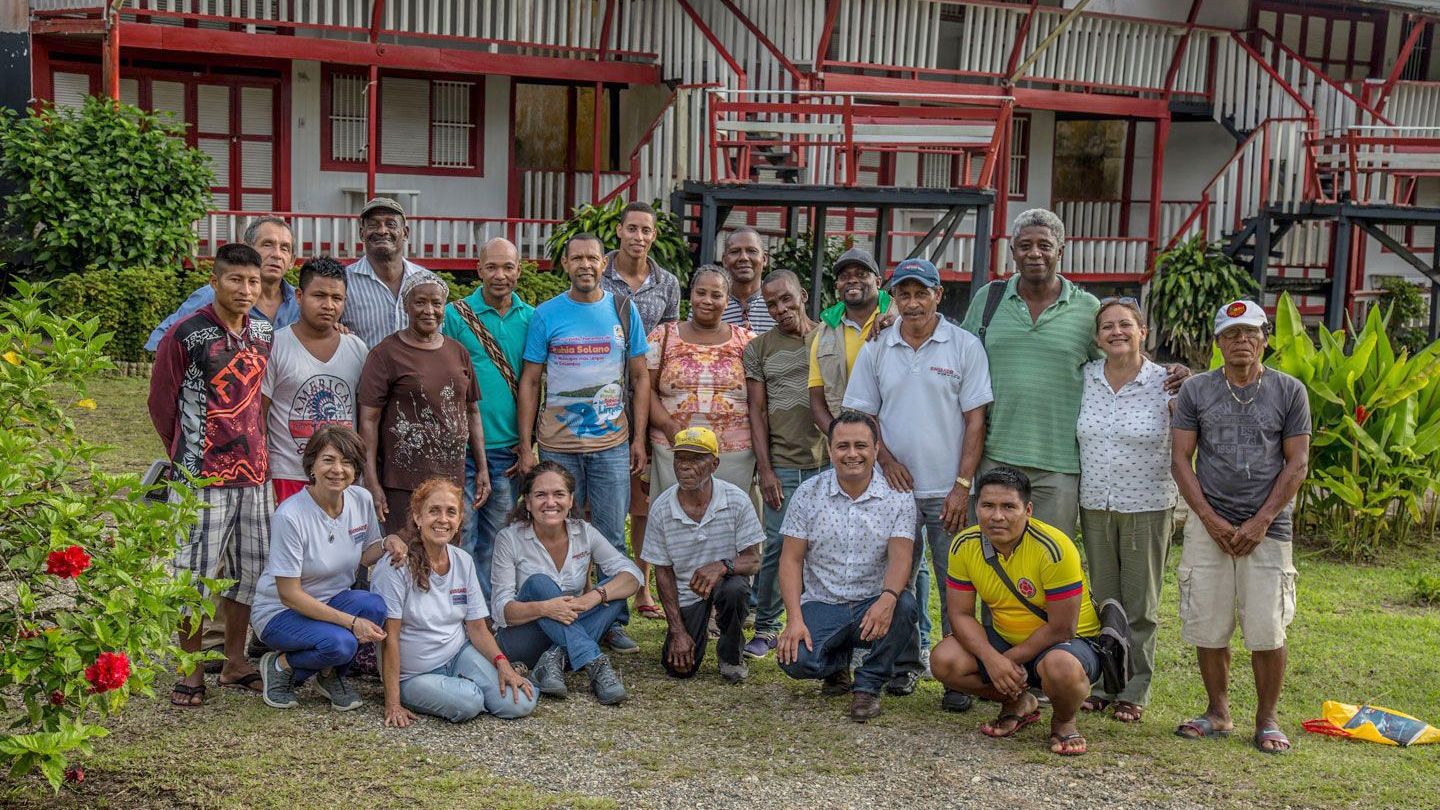
In Colombia, Swissaid supports the Vanilla Producers Association of Choco which brings together approximately 380 producers. They have received training in business organisation and negotiation to establish a community enterprise for storage, drying, processing, and marketing. Through this association, they can ensure both the volume and quality of their products, as well as better market their products.
Biovision's Agroecology Investment guide provides key evidence and examples on the social and environmental impact of agroecological enterprises, and showcases innovative funding models to support them. These enterprises are not limited to the production and sale of food; they also include the sale of agricultural products such as organic inputs.
Biovision also offers two tools to assess the “agroecologicalness” of enterprises: The Agroecology Check for Enterprises (ACE) for preliminary assessment, and the B-ACT for a more in-depth evaluation. These tools are useful for identifying gaps within enterprises and understanding where there is room for improvement.
Consumption – Health & Nutrition
Consumers have the potential to play a decisive role in the transition to more sustainable food systems. However, today, their influence is often limited to a passive role, mainly making choices often dictated by price and convenience in large stores. This dynamic leads to overconsumption of processed products and increased dependence on imported foods, with harmful consequences for the environment and public health. The goal of agroecology is to promote responsible consumption by reducing environmental impact, improving food quality, and strengthening connections between producers and consumers. Key principles and practices include:
Strengthen consumer organisations: These organisations empower consumers by amplifying their voices and acting as intermediaries between consumers, producers, and policymakers. Moreover, they can play a important role in educating the public about the benefits of agroecological products while combating misleading marketing practices.
Promote Community-Supported Agriculture (CSA) Programmes: By encouraging consumers to commit to purchasing a share of produce directly from local farmers, this model strengthens the connection between producers and consumers, ensures a stable market for farmers, and promotes the consumption of fresh, seasonal, and local foods.
As part of the “Seed and Knowledge Initiative” local organisations advocate for climate-resistant indigenous crops through seed and food festivals in Zimbabwe, such as the Harare Good Seed and Food Festival. These events emphasise the nutritional and environmental benefits of traditional foods and offer a platform for smallholder farmers and food producers to engage with consumers. The festivals serve to promote the consumption of diverse, locally sourced products and to raise public awareness in a direct and effective manner.
Currently, nearly one-third of the food grown for human consumption is never eaten and is therefore wasted. This waste occurs at various stages of the food system, from production and distribution to final consumption. Agroecology offers a holistic approach, aiming to prevent the production of food waste upstream, manage the waste that has already been generated effectively, and promote circular practices. Key elements and practices are highlighted in the table below.
Training actors across the value chain: Effective waste management and the implementation of a circular economy require specific knowledge and technical skills, particularly in sustainable agriculture, recycling, and biotechnology. Training stakeholders throughout the value chain is essential..
Foster innovation: Innovation is vital for developing new solutions, such as converting food waste into bioplastics and enhancing logistics to minimise food waste.
Job Creation: Innovative waste management practices can create sustainable jobs in recycling, organic waste management, and green farming. Ensuring fair working conditions, equitable wages, and ongoing training is crucial for promoting sustainable socio-economic development.
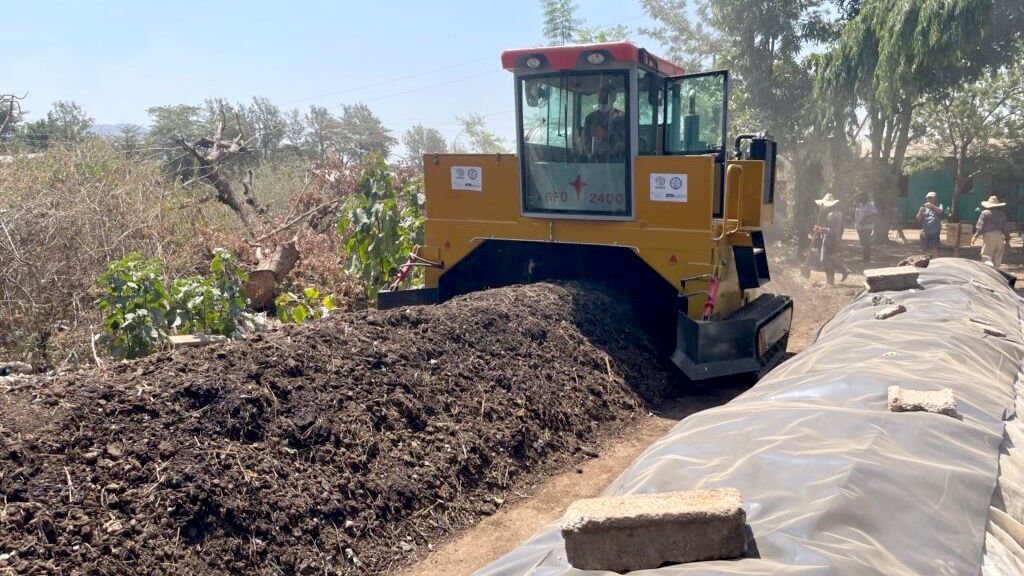
As part of the Rural-Urban Nexus: Establishing a Nutrient Loop to Improve City Region Food System Resilience (RUNRES) project, organic waste is collected from urban centers in several African countries (Congo, Ethiopia, Rwanda, South Africa), transported and processed into compost to provide farmers in rural areas with much-needed organic inputs. These solutions both alleviate the problems of waste accumulation and human health in cities and improve soil fertility in adjacent agricultural areas.
Institutional services and Policy environment - Governance
The transformation of food systems depends on institutional innovations and policies that promote agroecology. This includes strengthening frameworks to support family farms and smallholders, safeguarding their rights, and ensuring equitable access to resources. Additionally, policies should enhance product transparency, support agroecological producers, and protect consumer rights. Conversely, agroecology provides a critical pathway for countries to fulfill their international commitments on sustainability, climate change, and food security, as well as achieving the Sustainable Development Goals (SDGs) for 2030. The table below highlight key principles and practices that should be promoted.
Currently, no country in the world promotes a truly supportive environment for agroecology. A major challenge lies in policy coherence, where policies that support agroecology often coexist with others that contradict it. Below are key practices that projects can adopt to help governments advance agroecology and sustainable food systems:
Leverage global knowledge and partnerships: Foster partnerships between governments and international bodies, universities, civil society organisations already advancing agroecology. It's vital to foster the voices of often unheard groups, such as peasant movements and local communities. Their insights can lead to more inclusive and effective agroecological strategies that truly reflect the needs of those directly affected.
Develop data collection and monitoring systems: There is still a lack of reliable data on agroecology, often compounded by misinformation. Establishing robust frameworks to track the impacts of agroecological policies to help governments understand the social, economic, and environmental benefits of these practices.
Build institutional capacity: There is still much misunderstanding and limited knowledge about agroecology among decisions makers. Strengthening the abilities of government agencies and institutions is crucial for effective programme implementation. Training public officials and local authorities in agroecological practices equips them with the necessary skills and knowledge, ensuring that initiatives are effectively executed and sustained over time.
In May 2024, the Global Alliance for the Future of Food, WWF, Alliance of Biodiversity International, the Agroecology Coalition, and Biovision organised a peer exchange in Kenya titled “Boosting National Biodiversity Strategies and Action Plans”. This event included representatives from Colombia, Cambodia, Kenya, Tanzania, Uganda, and Zimbabwe. For instance, during a field visit to agroecological farms in Kiambu County, participants observed effective water conservation techniques and soil health improvement practices. This hands-on experience enabled them to identify specific ways to integrate agroecological practices into their respective national action plans.
In 2020, the Food Policy Forum for Change aimed to discuss the best approaches and policies to support agroecology. The results of the Agroecology Dialogue series, as well as other events and discussions, examples of best practice and lessons learned, are available online.