
Machine planting builds farmer resilience in Cambodia
In drought-prone Roung Muoy Village in Cambodia, smallholder farmers transformed their farm through machine-planting innovations supported by Agricultural Systems Research (ASR) Crop Care and the Nurture Project. A Farmer Field School demonstrated the effectiveness of a Kubota seed drill and drought-tolerant rice variety, doubling yields and income compared to traditional methods. Their success inspired local interest, with plans to offer machine-planting services to 30 farmers in 2025. This locally-led initiative showcases how targeted support and climate-smart practices can drive sustainable agricultural transformation in vulnerable communities.
AFS Newsletter - Article by
In Cambodia’s rainfed agricultural zones, unpredictable rainfall, declining soil quality, and lack of irrigation infrastructure have placed smallholder rice farmers under growing pressure. These challenges are especially prevalent in southern Battambang Province, where smallholder farmers face climate-related risks that directly impact their yields and income. To address this, the “Nurture CRA – Nurturing Climate-Resilient Agriculture through Demonstrations and a One-Stop Distribution Model” intervention was launched in October 2023 and completed in March 2025. The initiative aimed to build climate resilience among rice and maize farmers across nine rainfed communes within the customer reach of Agricultural Systems Research (ASR)’s “Crop Care” shop in Koas Krala district, a one-stop outlet offering eco-friendly inputs, practical advice, and hands-on demonstrations in Conservation Agriculture.
Roung Muoy Village, located in Prey Tralach Commune of Rukhak Kiri District, is more than 75 km from Battambang City. The road to the village takes nearly two hours by motorbike, and the village remains without irrigation infrastructure.
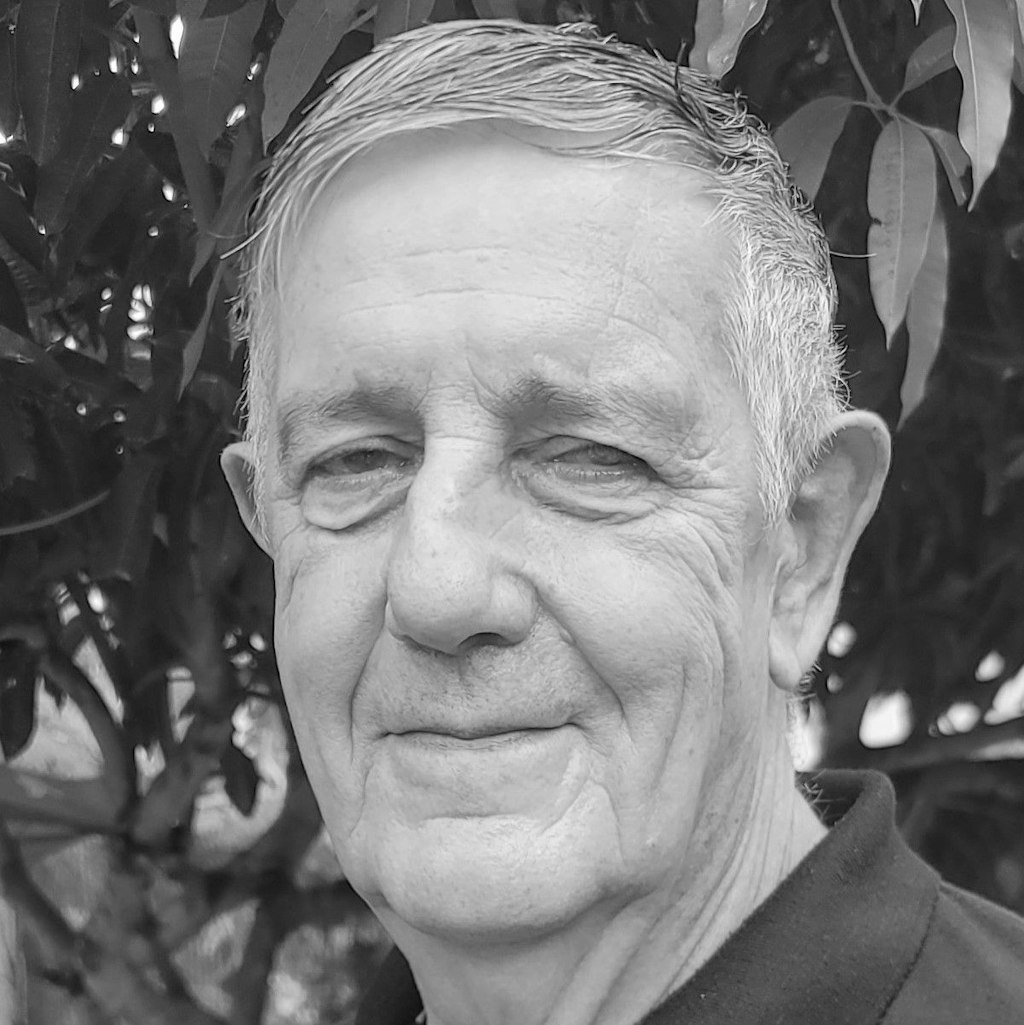
“Within the village, there is no irrigation infrastructure or community water source.”, said Mr. Veasna.
When Mr. Veasna (57) and Ms. Sok Lim (56) moved here in 1997 through a land grant program, they received 6.5 hectares of uncleared land. At the time, the area was still heavily affected by mines and lacked access to irrigation or community water sources. They arrived with only 50,000 riel (about $12.50) and no equipment or support.
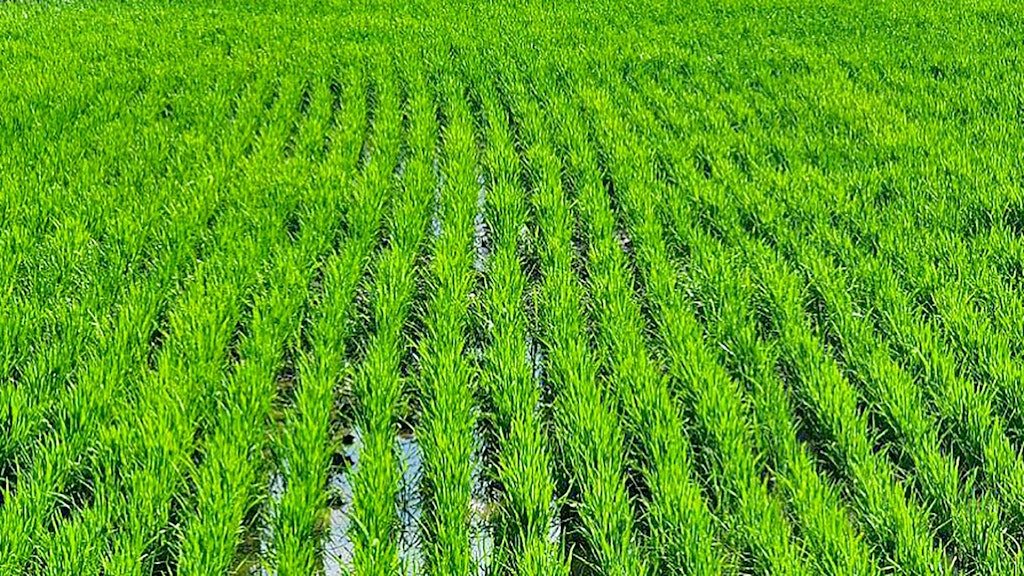
Over nearly three decades, they built a modest but functional farm from scratch, raising four children—two of whom died tragically from poisoned water—and now caring for three grandchildren while farming rice and cassava. Despite this progress, they remained vulnerable to drought and low productivity, with rice yields averaging only 1-2 tons per hectare on degraded soil. These soils have a sandy top layer over clay, making them prone to waterlogging. To address these deeply rooted constraints, the Nurture Project, through its partner ASR Crop Care, introduced a Farmer Field School (FFS) in Roung Muoy Village in July 2024. The core activity involved a machine-planting demonstration on the couple’s 1-hectare field next to their house, using a Kubota seed drill to plant Khon Chin, a drought-tolerant, five-month photoperiod-sensitive rice variety. The remaining 5.5 hectares were seeded using the conventional broadcasting method with a variety (OM 5451), which failed entirely due to lack of rain. The FFS served not only as a technical intervention but also as a community-based platform for observation, learning, and knowledge exchange. The demonstration field achieved a remarkable yield of 4.4 tons per hectare, nearly double the expected 2.4 tons per hectare from broadcasting methods. Financially, this translated to an income of $1,027 compared to the $503 benchmark and was the household’s sole source of cash income in 2024.
“Last year (2024), all the rice we broadcast died, but the machine-planted rice of 1 ha (demonstration field) survived.” said Mr. Veasna. The successful farm plot not only sustained the family during a difficult season, but it also inspired a new livelihood path. Mr. Veasna and his son now plan to become machine-planting service providers in 2025, expecting up to 30 interested local farmers as their first customers.
If each client cultivates an average of three hectares, their service could generate an additional $1,800 per year, potentially doubling their typical rice income and recovering the machine cost within one season. Post-harvest interviews with FFS members from Chrang Khpos, Roung Muoy, and Roung Pir Villages revealed strong demand for machine-planting adoption in 2025. ASR Crop Care will continue to support further uptake and coordinate local service delivery.
By enabling one household to demonstrate resilient rice production under drought conditions, the Nurture CRA project has catalysed broader behavioural change in Roung Muoy village. Mr. Veasna and Ms. Sok Lim’s journey shows the potential of well-supported, locally-led innovation to drive inclusive and sustainable agricultural transformation.
The household was linked to a local supplier of organic fertiliser and provided with an initial quantity to test the practice. The ASR team also introduced the IRRI Leaf Colour Chart (LCC)—a simple, visual tool that helps farmers determine the optimal timing for fertiliser topdressing based on the actual colour of rice leaves. This combination of materials and training aims to build the household’s confidence and capacity to further improve productivity under climate stress.