Published on 15 April 2024

News

News items related to food systems and submitted by members of the A&FS Network.

6 November 2025

AFS Network series on resilience

If you missed it, our Learning Lab on Resilience Thinking offers sessions with experts from ODI Global. The first explores what resilience truly means and why managing trade-offs is central to resilience practice, while the second focuses on applying resilience in action to improve programming and decision-making.

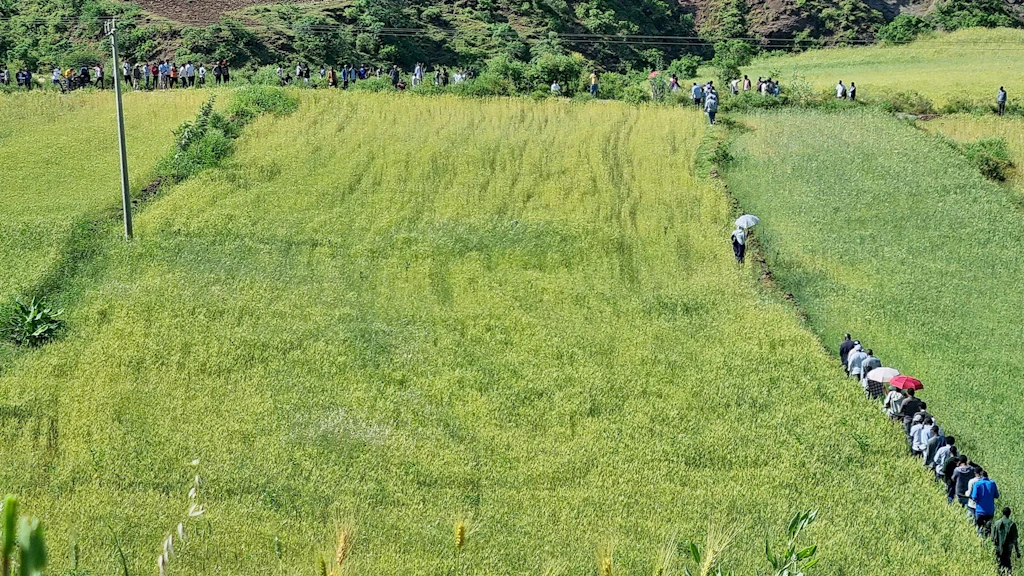
Field visit on improved wheat crop production

6 November 2025

Climate resilience through seed system

The Climate Adaptation and Rural Development Project (CARD) is a five-year development project, implemented by Helvetas in Ethiopia, with support from the SDC and other donors. The project aims to strengthen communities’ resilience to the impacts of climate change. One key strategy is the establishment of seed security initiatives to ensure access to quality crop seeds, even during periods of climate stress. A robust seed system can empower farmers by providing them with access to improved varieties, information, and resources, enabling them to make informed decisions about their crops. Developing and promoting climate-resilient seeds (e.g., drought-tolerant or flood-resistant varieties) helps farmers adapt to changing environmental conditions.

Discussion of forecast and measures to be taken

6 November 2025

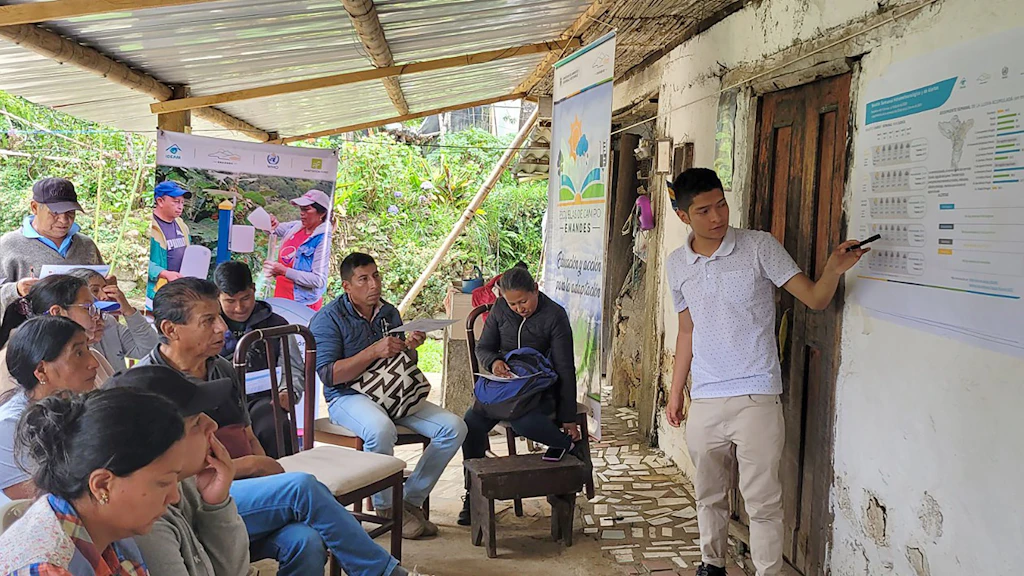
Climate services boost agricultural resilience in the Andes

In the Andes region of South America, climate change threatens the livelihoods of smallholder farmers with unpredictable climate events. This article explores how co-produced climate services can help farmers adapt to the changing climate. Through the projects ENANDES and ENANDES+ the Colombian Institute of Hydrology, Meteorology, and Environmental Studies (IDEAM) are co-producing with farmers agroclimatic bulletins. These are produced during community agroclimatic roundtables and field schools that integrate scientific information with local observations and measurements. Together, IDEAM and the Bern University of Applied Sciences (BFH) studied the socioeconomic benefits of climate information services. The study showed how active collaboration with farmers builds resilience, strengthens trust in meteorological institutions, and supports decision-making to potentially reduce production losses.
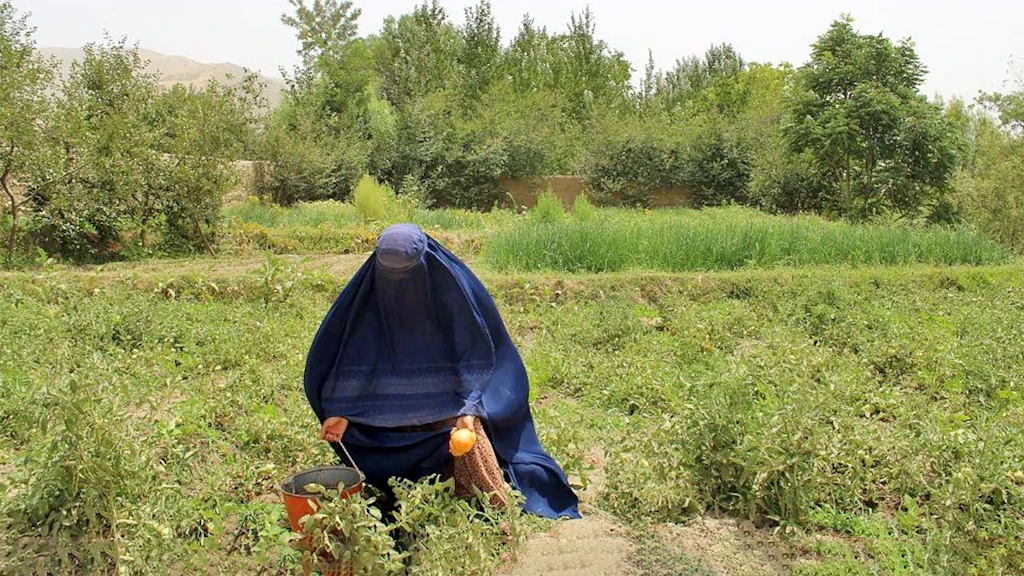
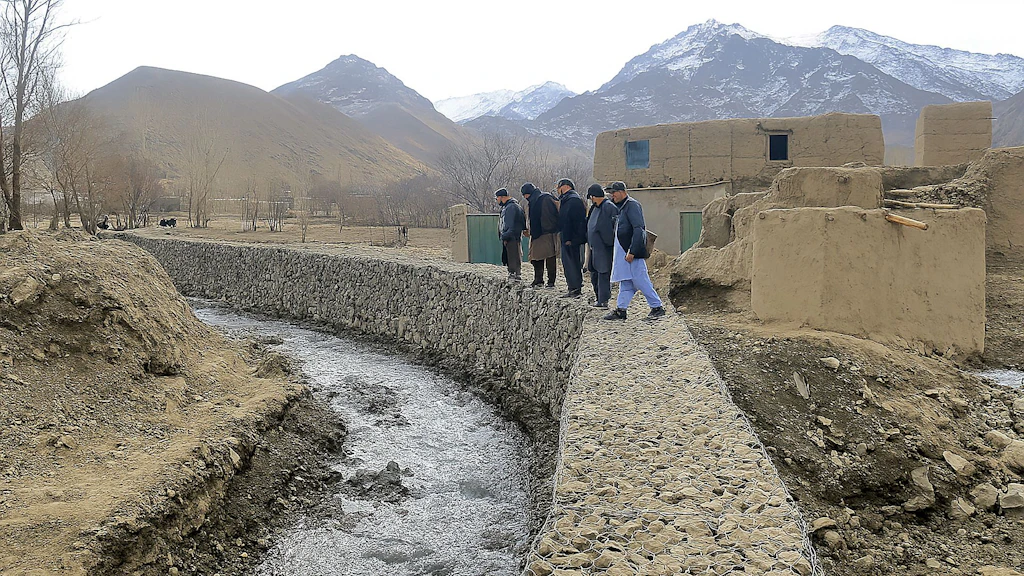
Gabion protection walls in Dahan Khakrez, Parwan province, Afghanistan

6 November 2025

Walls of Strength - Protecting Farms in Dahan Khakrez, Afghanistan

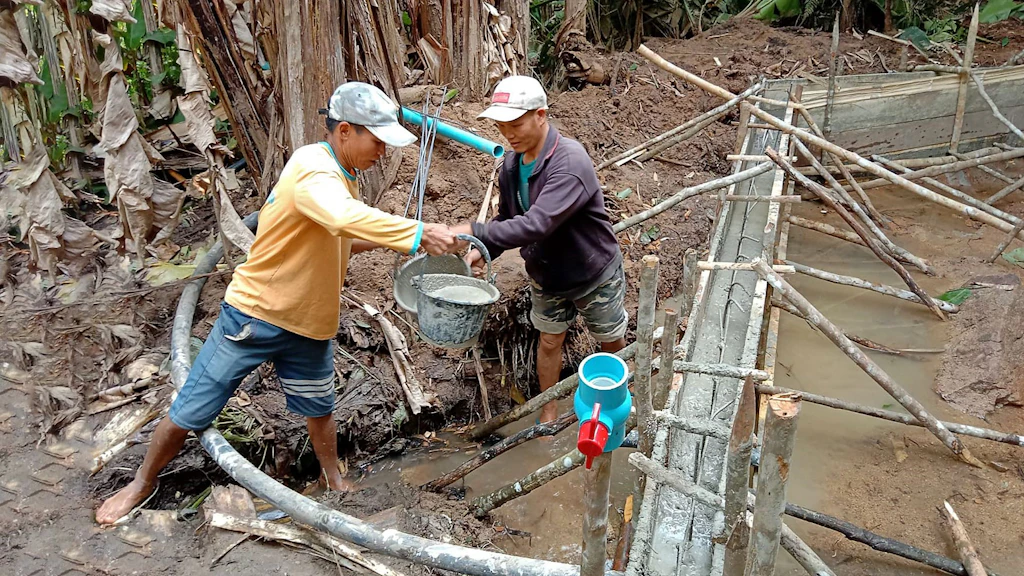
In Parwan province, the village of Dahan Khakrez has turned the tide against recurring seasonal floods. Through the Food Security and Agricultural Sustainability for Livelihoods Improvement (FASL) project, funded by the Swiss Agency for Development and Cooperation (SDC) and implemented by the Aga Khan Agency for Habitat, community-led action and smart infrastructure, farmers are now safeguarding their land and livelihoods, proving that resilience in the agriculture and food sector is not just possible, but powerful.

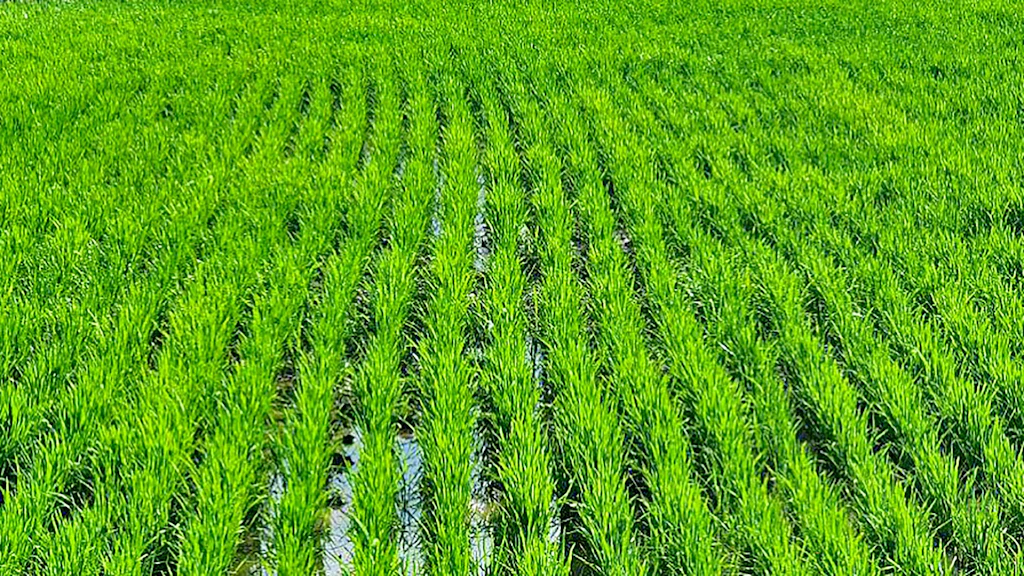
Planting rice with Kubota

6 November 2025

Machine planting builds farmer resilience in Cambodia

In drought-prone Roung Muoy Village in Cambodia, smallholder farmers transformed their farm through machine-planting innovations supported by Agricultural Systems Research (ASR) Crop Care and the Nurture Project. A Farmer Field School demonstrated the effectiveness of a Kubota seed drill and drought-tolerant rice variety, doubling yields and income compared to traditional methods. Their success inspired local interest, with plans to offer machine-planting services to 30 farmers in 2025. This locally-led initiative showcases how targeted support and climate-smart practices can drive sustainable agricultural transformation in vulnerable communities.

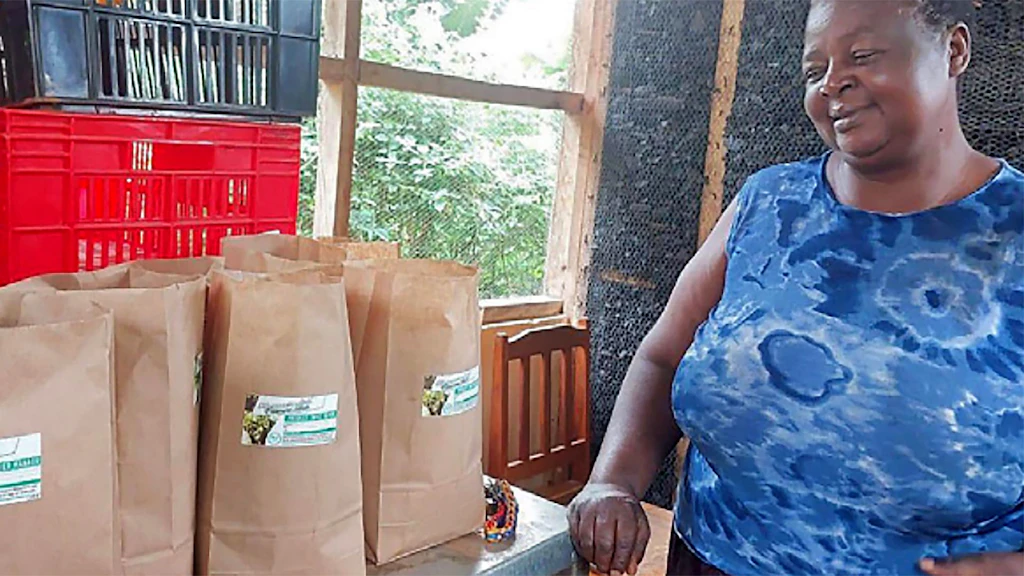
Margaret Atulo with sacks of her vegetables in front of her charcoal cooler

6 November 2025

NICE continues to strengthen nutrition resilience

When it comes to food and nutrition, cities face a double burden: feeding growing populations while navigating climate shocks, economic instability, and nutrition crises. This is where the Nutrition in City Ecosystems (NICE) project has come in since August 2021. Co-funded by the SDC and co-implemented by Swiss TPH, ETH Zurich, sight and life, the Sustainable Agricultural Foundation and local government partners in Bangladesh, Rwanda and Kenya, NICE entered its second phase in July 2025, continuing its mission to improve nutrition resilience and reduce poverty among vulnerable populations in secondary cities of low- and middle-income countries.

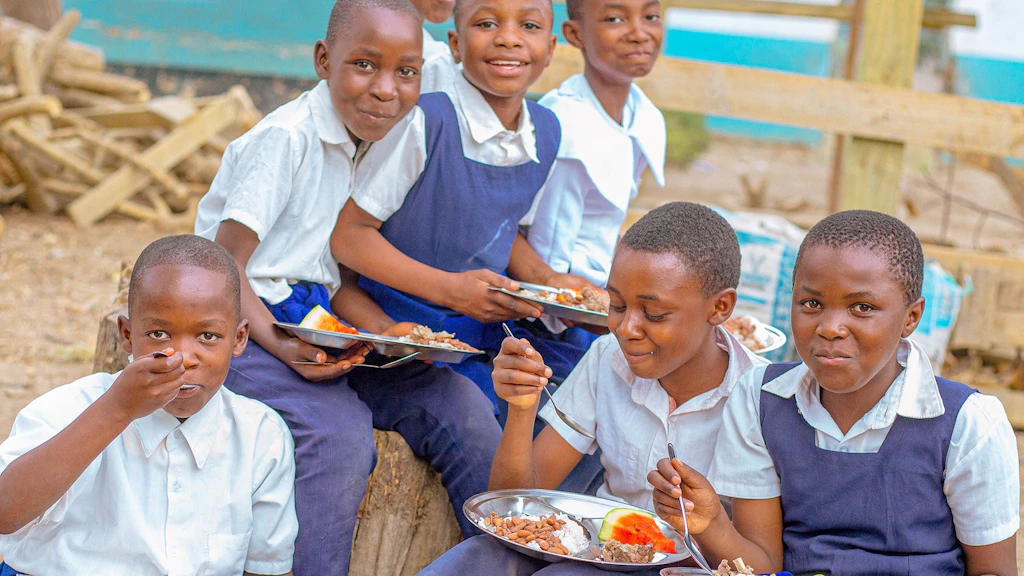
Children enjoying lunch at School

6 November 2025

School meals for healthy and resilient generation

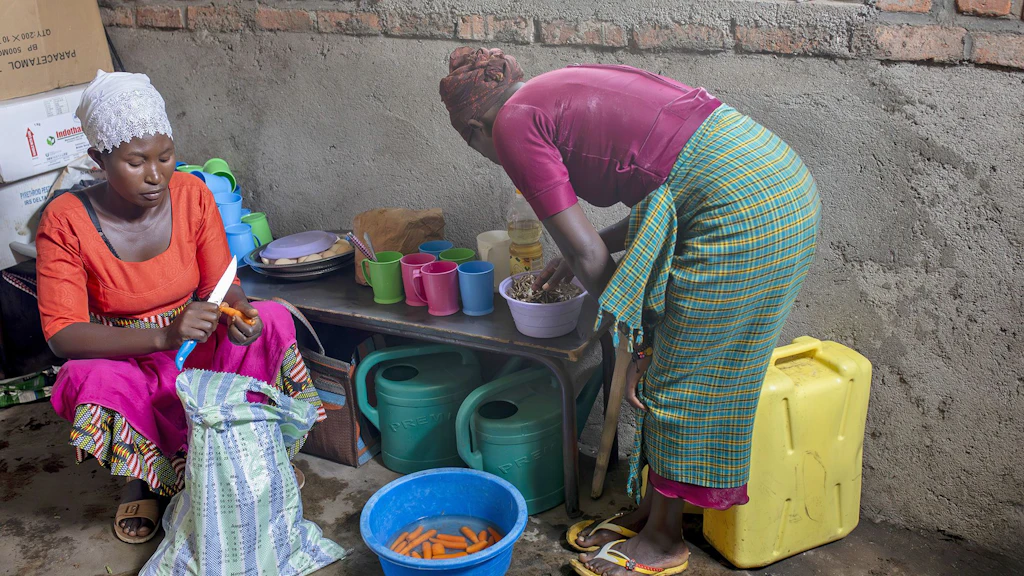
Despite being a food basket of Tanzania, Mbeya City faces high rates of child malnutrition, with 31% of children under five stunted. In response, the City Council, with HELVETAS through IC4N project, is revolutionizing school feeding. The program now reaches more than 121,000 children across 122 public schools, integrating locally sourced meals, parent contributions, school gardens, and student-led nutrition clubs. Early results are promising: meals with greater diversity, rising nutrition awareness, and better school attendance and concentration. Beyond improving health, this model builds stronger farmer linkages, reduces healthcare costs, and promotes climate-smart agriculture. By linking nutrition, education, and sustainability, Mbeya City is proving that school meals can power systemic change and nurture a healthier, more resilient generation.

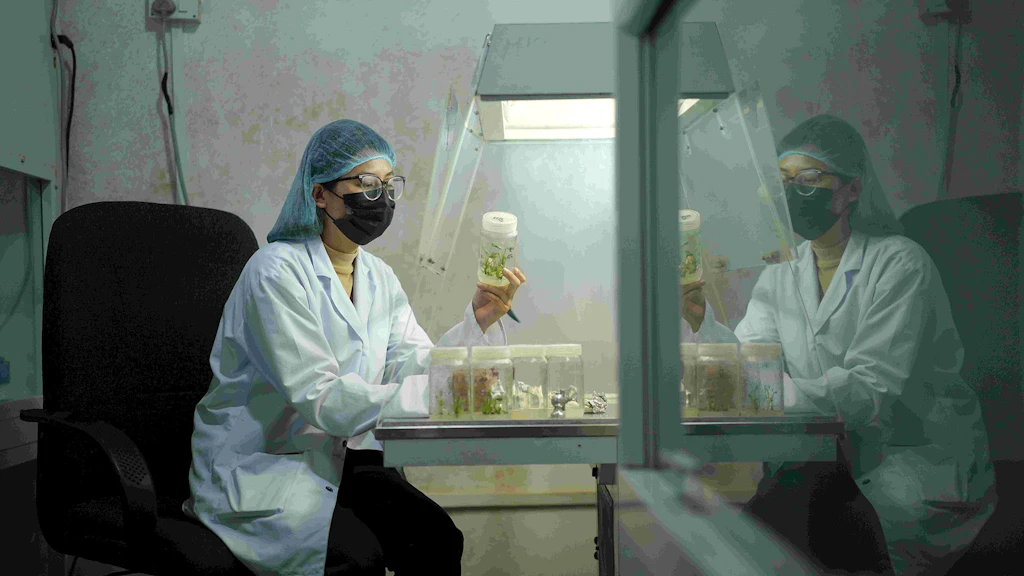
Mankshood Krishi Firm Lab

6 November 2025

Swisscontact’s role in sustainable farming in Nepal

In the hills of eastern Nepal, a biotech startup is transforming Nepal’s cardamom industry - one disease-free sapling at a time. With support from the Swiss Agency for Development and Cooperation SDC’s Sahaj project, Monkshood Krishi is proving that innovation and investment can revive farming livelihoods and reshape agri-finance in Nepal.

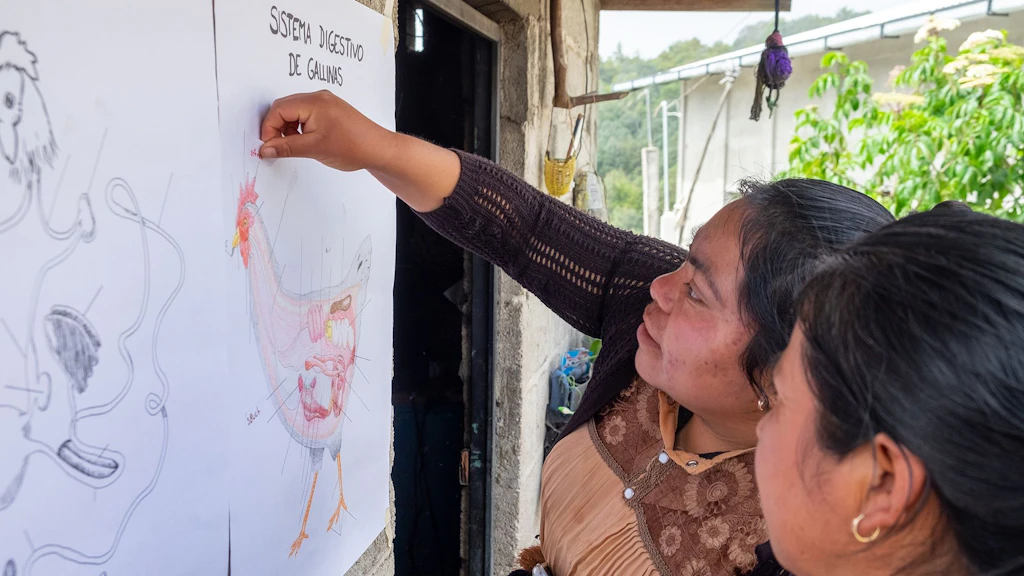
Atelier d’éducation sur l’élevage de poules, pour une alimentation riche des poulets

6 November 2025

Renforcer l‘agroécologie pour cultiver la résilience

Au Mexique, et principalement dans la région du Chiapas, la violence exercée au quotidien par le crime organisé se poursuit. Ce climat d’insécurité pèse sur les habitant.es, qui cherchent à renforcer leur autonomie pour faire face à cette instabilité. Avec le soutien de l’association suisse DM (membre d’Unité) et en collaboration avec le Séminaire interculturel maya (SIM), des initiatives locales d’agroécologie familiale voient le jour, favorisant la souveraineté alimentaire et la résilience communautaire.

6 November 2025

Agroecology and livestock policy brief

Agroecology offers a holistic approach to managing sustainable agriculture and food systems by integrating ecological and social principles. This policy brief explores how Vétérinaires Sans Frontières (VSF) Suisse applies agroecology in livestock systems across Sub-Saharan Africa to strengthen resilience and food security. By reducing costly inputs, enhancing soil fertility, and promoting indigenous breeds, VSF-Suisse helps small-scale farmers improve their economic situation and adapt to climate challenges. The brief highlights pathways for transitioning toward localized, sustainable food systems - showing how livestock matters for agroecology and contributes to nutrition, biodiversity, and community resilience.

RYCAD Strategy

6 November 2025

RYCAD’s 2026–2030 strategy for food system resilience

In the heart of Yemen’s rural landscapes, where terraced fields have sustained civilizations for centuries, agriculture remains the backbone of livelihoods and the foundation of food security. Yet, the sector has faced profound challenges over the past decades: protracted conflict, climate variability, declining water resources, and the erosion of cooperative structures that once ensured resilience and solidarity. Against this backdrop, the Rural Youth Cooperative for Agricultural Development (RYCAD Yemen) has emerged not only as a pioneer in youth-led cooperative revival but also as a visionary institution articulating a comprehensive 2026–2030 Strategy to transform agricultural and food systems in Yemen.

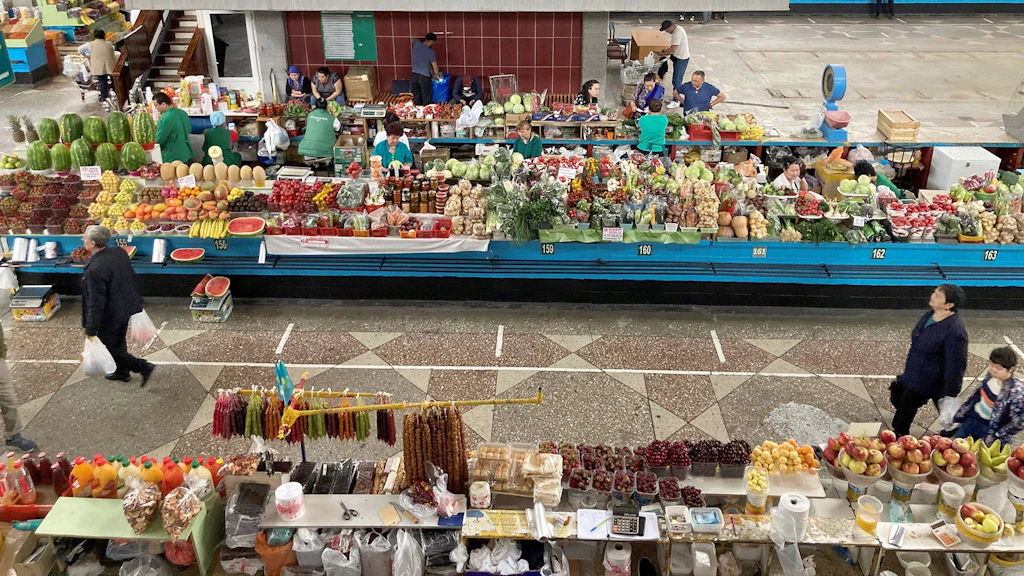
Shoppers at a food market in Almaty, Kazakhstan

6 November 2025

New approach for assessing food policy coherence

Food systems policy coherence is the alignment of policies that affect the food system with the aim of achieving diverse goals, to ensure that policies designed to improve one food system outcome do not undermine others and, where possible, take advantage of synergies across policy areas. Policy incoherence can lead to inefficiency and lower likelihood of achieving policy goals. To make it easier to assess policy coherence and provide actionable recommendations for enhancing it, GAIN, in collaboration with AKADEMIYA2063, created an easy-to-use toolkit. This toolkit has been applied in 10 countries in Africa and Asia, and partly in Switzerland and the UK, and is freely available.

Flyer - BWYNAAO Programme

6 November 2025

Building women- and youth-led networks in Africa

The Building Women- and Youth-led networks in Africa (WYNA) Programme supported by the Deutsche Gesellschaft für Internationale Zusammenarbeit (GIZ), implemented by YPARD, KCOA, PELUM Kenya, and AGSN was launched in September. The WYNA Programme will focus on intentional collaboration by building stronger alliances between existing multi-stakeholder women- and youth-led networks in Africa, and by providing resources, mentorship, fellowships, and training to advance agroecology and organic agriculture.

Organic Caravan campaign held in Nairobi

6 November 2025

Expanding Kenya's organic sector: the AOMD project

The Accelerating Organic Market Development (AOMD) project, led by the Research Institute of Organic Agriculture (FiBL), has successfully concluded after three years of advancing Kenya’s organic sector. Funded by the Leopold Bachmann Foundation, the project expanded market opportunities for farmers, enhanced the institutional capacity of the Kenya Organic Agriculture Network (KOAN), and increased consumer recognition of the Kilimohai organic mark. Its integrated approach, combining capacity building, market development, partnership building, and leadership support, strengthened the foundation for the sustainable growth of Kenya’s organic sector while opening new opportunities for organic markets in East Africa and beyond.

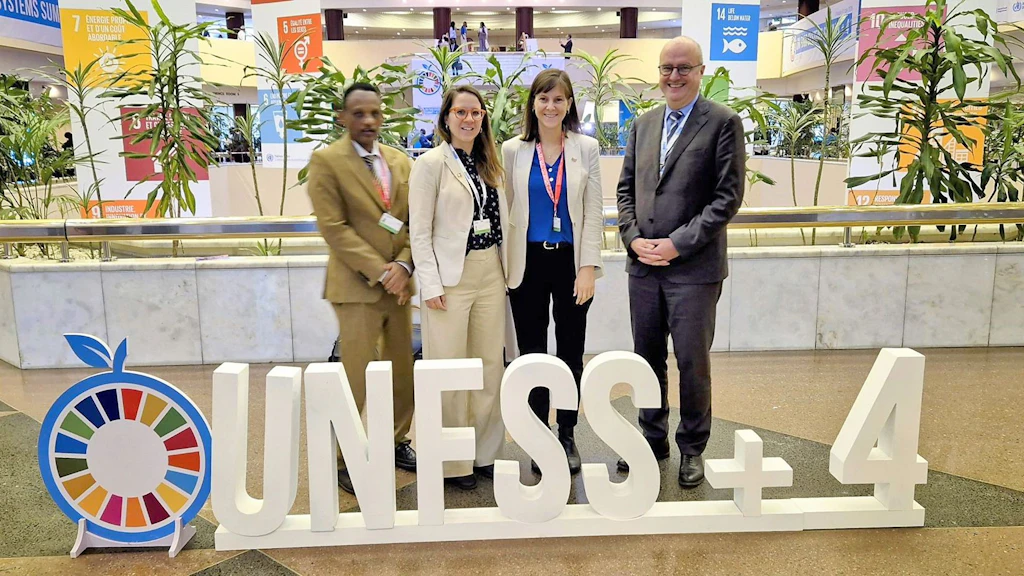
Swiss Delegation at UNFSS+4

6 November 2025

UNFSS+4 stocktake: A momentum for network action

The UN Food Systems Summit +4 (UNFSS+4), held in Addis Ababa in July 2025, brought together governments, organizations, and partners to assess progress on food systems transformation. The summit highlighted concrete advances from national pathways to billions mobilized for food systems financing. Beyond plenary sessions, side events and bilateral meetings offered valuable opportunities for partners to exchange, build alliances, and link local realities with global agendas. The event also exposed gaps, including limited civil society participation, power imbalances as well as implementation gaps. Looking ahead, the main lesson is: high-level summits are not just about declarations, but key opportunities for increased A&FS Network collaboration, proactive preparation, and collective action.

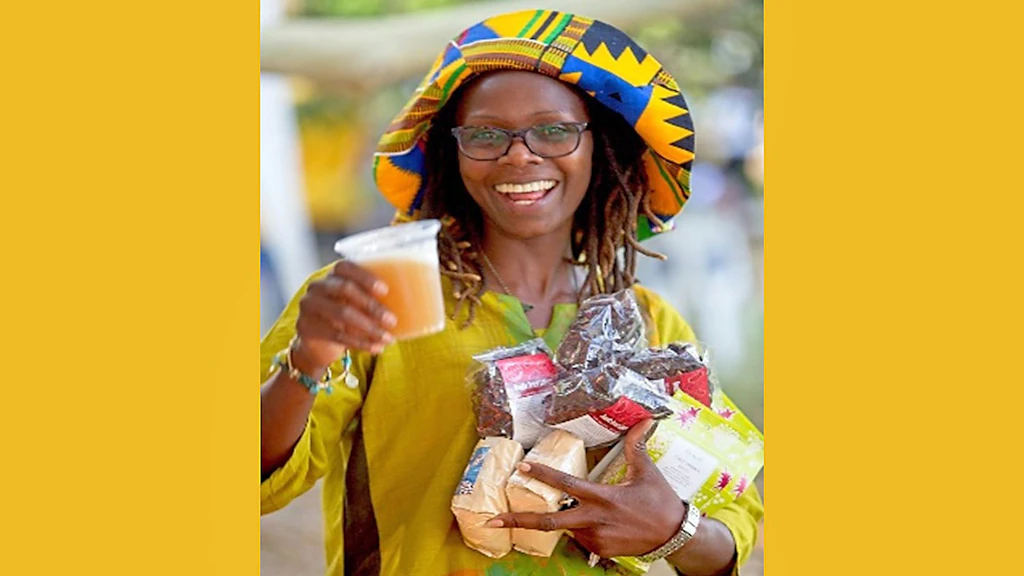
Participant holding drink and food items bought at Sept 2024 festival

6 November 2025

Promoting production and consumption of traditional grains

Market and Systems Access Project (MASAP) is being implemented in Zambia and Zimbabwe with funding from the SDC. Good Seed and Food Festivals are one of the interventions being implemented by the project to promote inclusivity and resilience in seed and food systems. The focus crops are sorghum, millet, cowpeas and groundnuts. The festivals create a platform for smallholder farmers and buyers and processors to exchange information on supply and demand of neglected grains. Increased consumption of neglected grains will stimulate increased production and consumption which will in turn enhance household food security, nutrition and dietary diversity. Production of such crops is beneficial to the environment and helps smallholder farmers to cope with the challenges wrought by climate change.
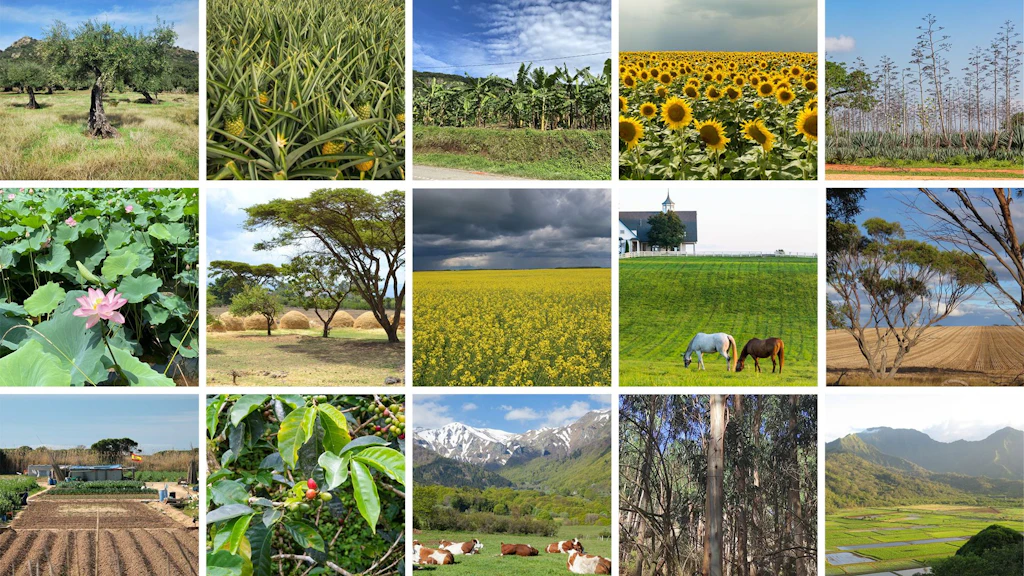
Guidelines for classifying agricultural and plantation forestry ecosystems in the IUCN Global Ecosystem Typology

6 November 2025

Classifying agricultural and plantation forestry ecosystems

These guidelines aim to facilitate improved knowledge of agricultural and plantation forestry ecosystems, and their relationship with other ecosystems in complex landscapes, by providing clarity on how the IUCN Global Ecosystem Typology is applied in the context of agricultural and plantation forestry production. This provides a foundation for a range of applications that can enable and support sustainable agriculture.

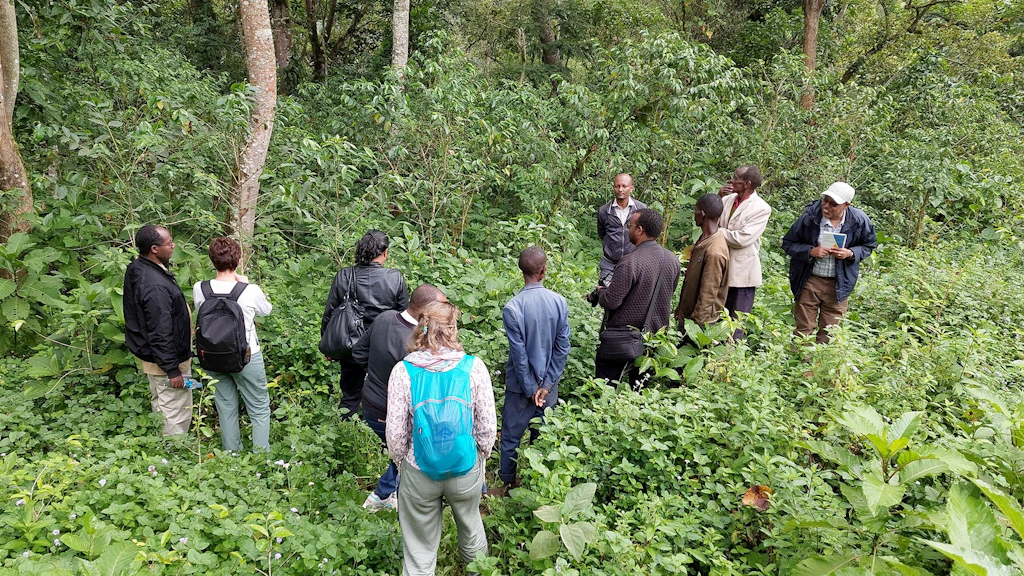
Interview with forest coffee farmers

6 November 2025

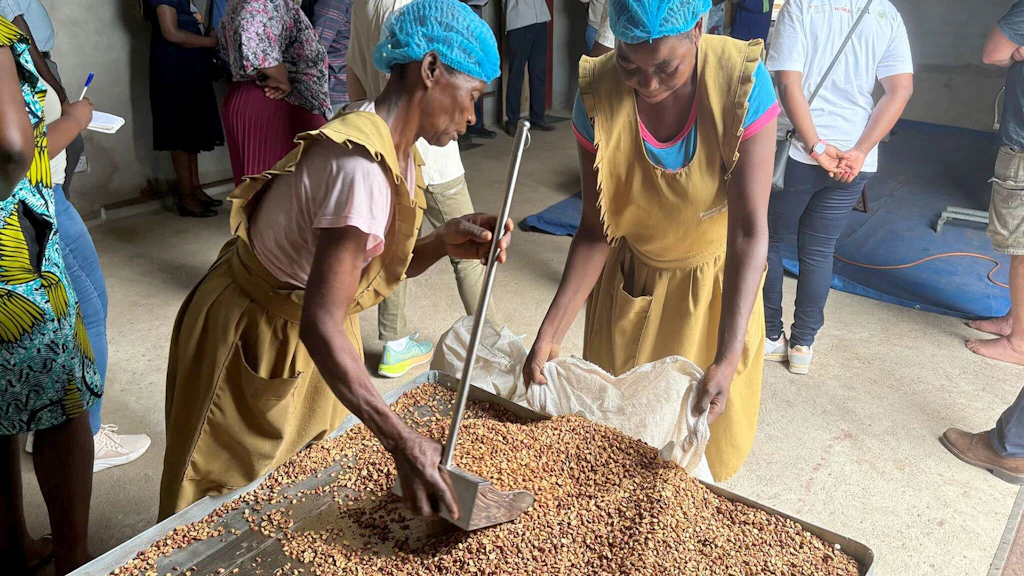
Traceability systems for sustainable coffee trade – Ethiopia

The “CARE for value and sustainability” project works on sustainable coffee trade in Ethiopia. It is a SOR4D research project led by Centre for Development and Environment (CDE), University of Bern, Water and Land Resource Centre (WLRC), and two Ethiopian public agencies. It seeks to demonstrate how the EU Regulation on Deforestation-free Products (EUDR) can be applied in a context-sensitive way by developing a locally adapted sustainable standard for deforestation-free forest and agroforestry coffee. The project works in two pilot areas, in Kaffa Zone, with forest and semi-forest coffee production systems, and in Gedeo Zone, with agroforestry-based and garden coffee systems. The project disseminates knowledge about the new EUDR regulation in both producer and consumer countries - including Switzerland.

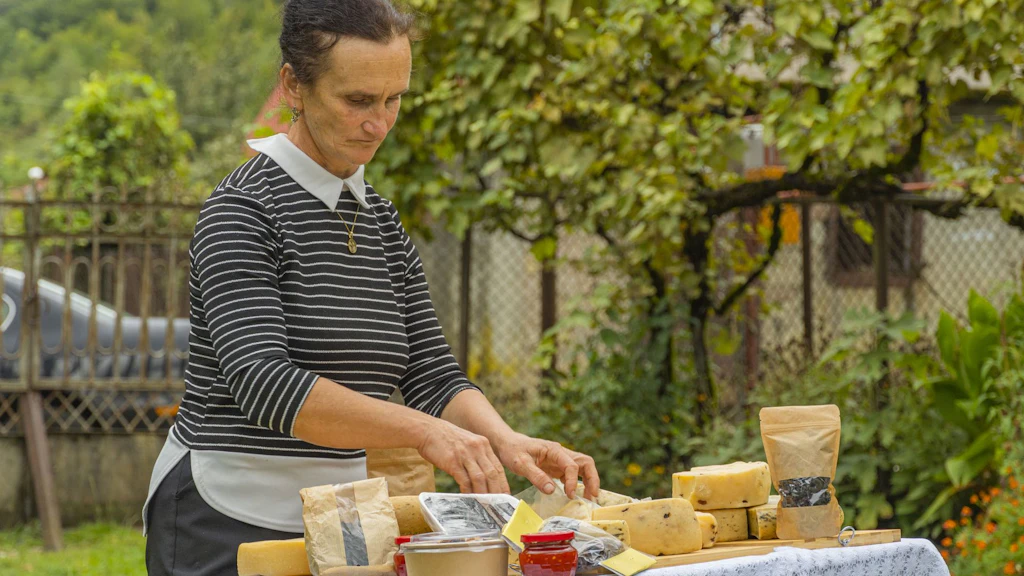
Nino Kavtaradze, lead farmer of dairy value chain Farmer Field School

6 November 2025

Ninoseuli Caciotta with dried figs and sweet and spicy jams

Surrounded with the mountainous terrain, in the Jvari village of the Samegrelo-Upper Svaneti region in Georgia, Nino Kavtaradze is experimenting with local food production to create “Ninoian” (“Ninoseuli”, in Georgian) innovative products. “Ninoseuli” is, in fact, the name of her brand. Nino is a Lead Farmer under a project funded by the SDC and implemented by the Food and Agriculture Organization of the United Nations (FAO).

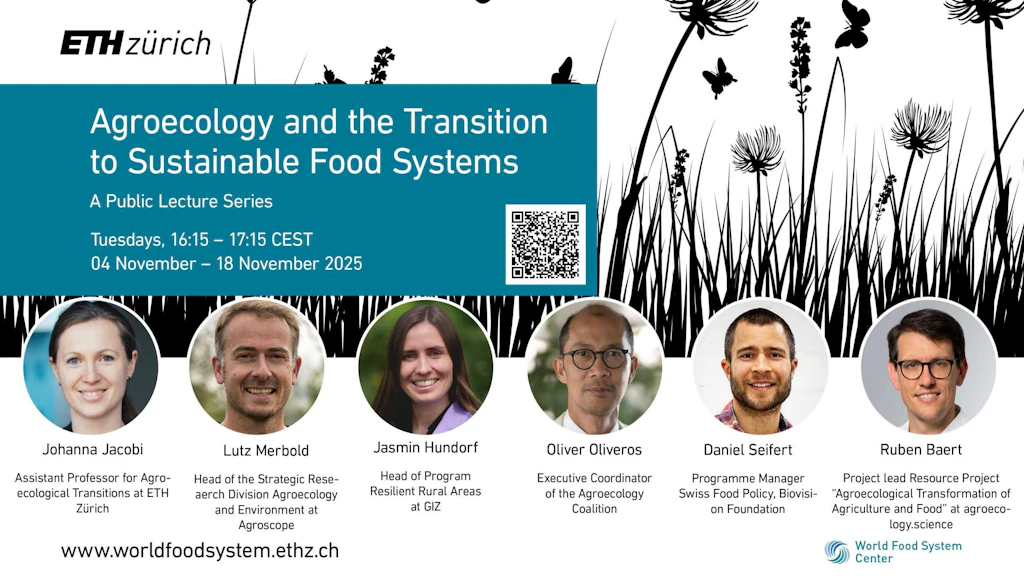
Agroecology and the Transition to Sustainable Food Systems

6 November 2025

Public lecture series on agroecology

The World Food System Center at ETH Zurich has announced its 2025 Public Lecture Series on Agroecology and the Transition to Sustainable Food Systems, with experts sharing their insights from the fields of science, policy, and food system transformation. While the first lecture happened yesterday, you can still join the next two via the zoom link, or catch up on all previous lectures on their Youtube Playlist.

Amanda Ammann and Stéphanie Piers de Raveschoot

6 November 2025

Who is who: Amanda Ammann and Stephanie Piers de Raveschoot

Working out of Dakar, Stephanie is the focal point for the Agriculture & Food Systems Network, the focal point for Switzerland for the UNCCD, and policy advisor for agroecology and natural resources management. Environmental engineer by training, specialised in water and natural resources management, Stephanie multiplied experiences between engineering work in Switzerland, development consultancy in Southern Africa, and a humanitarian stint in Haiti before joining SDC in 2015, working in the water & food systems sectors globally. Amanda is a policy and programme manager for food systems, also based in Dakar. She is responsible for the NICE (Nutrition in City Ecosystems) programme as well as for programmes on human rights in food systems. In addition to her programme-related work, she serves as the focal point for policy and advisory services for the Swiss cooperation offices in West Africa. Previously, she worked in the Latin America and Caribbean section in Bern with a geographical focus on Haiti, Cuba, and Central America, where she was amongst others responsible for the long-standing direct actions in Haiti. Get to know them better!

8 October 2025

Course: L'agroécologie pour l'Afrique

The FAO Plant Production and Protection Division (FAO-NSP) and the FAO eLearning Academy, in close collaboration with the Alliance for Food Sovereignty in Africa (AFSA) and McKnight Foundation, are extremely pleased to announce the publication of the French version of this joint certified course.

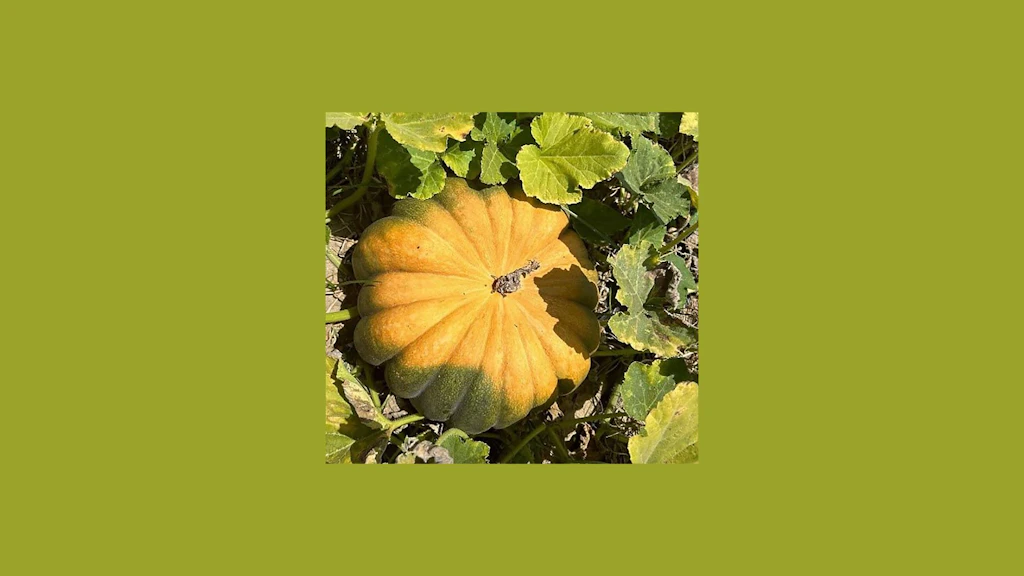
Pumpkin

17 September 2025

Egyptian pumpkin production with innovative biofertilizers for sustainable agriculture

As Egypt faces rising agricultural challenges from climate change, soil degradation, and increasing salinity, innovative farming solutions are becoming essential for food security and farmer livelihoods. The country's agricultural sector, which employs nearly 25% of the population, requires sustainable practices that can boost productivity while preserving environmental health. A success story from Gamasa city, Dakahlia Governorate demonstrates how advanced and innovative biofertilizer technology is transforming pumpkin cultivation, offering Egyptian farmers higher yields, better quality highly production, and reduced environmental impact.

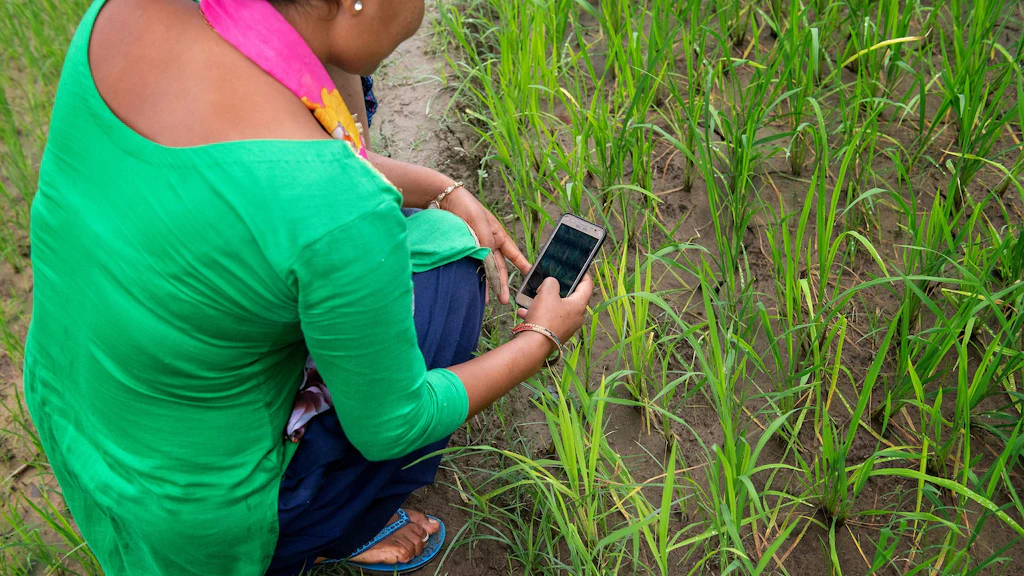
Nepalese farmer using mobile phone apps to enhance her yields and access services

21 July 2025

Grounding AI in Practice: Learning from Extension

GenAI promises many benefits in agriculture. But is it living up to the hype? What can AI systems learn from decades of person-to-person agricultural extension? We talk about extension’s obvious (and less obvious) limitations, what it gets right, and what AI can learn. We conclude that grounding AI in real-world extension practices is the only way to build tools that farmers will use, and trust. The piece is part of the AI for and with Food Systems Research Initiative blog series. The initiative brings together researchers and practitioners across CGIAR and its partners to explore how AI can be designed, governed, and applied responsibly in food systems research and innovation.

Project factsheet

21 July 2025

Predictive power of smartphone imaging

Traditional crop monitoring methods are often labor-intensive and subjective or require expensive equipment. This project develops an AI-driven smartphone solution for detailed 3D/4D crop analysis, empowering farmers to enhance field management and sustainable practices.

Thoughts for Food 21 (7 May 2025): Ameen Jauhar

21 July 2025

CABI – Generative AI for Agriculture Advisory (GAIA)

Generative Artificial Intelligence (GenAI) technology offers enormous potential by addressing information asymmetries and rapidly advancing research. In the agriculture sector, it can localize digital advisory messages and increase the accessibility of such messages. Ameen Jauhar, Data Governance lead, will present some of the work conducted under the Gates Foundation-funded GAIA project, addressing both the opportunities for chatbot tools to provide dynamic advice, but also the challenges of data governance and content licensing for GenAI systems to provide trustworthy and transparent chatbot tools.

21 July 2025

Wageningen University & Research – Digital solutions for agricultural transformation

Digital Agri Hub, hosted by Wageningen University & Research, is a knowledge platform and repository of digital solutions for agriculture in low- and middle-income countries. Its GenAI-powered chatbot offers interactive access to reliable data and insights on the digitalisation of agriculture (D4Ag). Building on this experience, Inder Kumar and Sander Janssen will present emerging insights, challenges, and opportunities of AI in agriculture, highlighting its potential to drive sustainable innovation in LMICs.

Sulsulah, A kitchen gardening beneficiary in Takhar province, Afghanistan

21 July 2025

Sulsulah's Story of Resilience in Afghanistan

Sulsulah, a 34-year-old woman from a village in Takhar province, Afghanistan is the sole breadwinner for her four children. With limited resources, she struggled to meet basic needs. Her situation worsened with the ban on girls' education, affecting her 16-year-old daughter. Through an agriculture project supported by Swiss Agency for Development and Cooperation and implemented by Aga Khan Foundation. Sulsulah received training and support to establish a kitchen garden. She gained skills, income, and social recognition. Selling vegetables earned, she earned Afghani 30,000 (USD 430), enabling her to buy household essentials and expand her business. She also bought milking goats, earning additional income. Sulsulah is now hopeful and eager to help other women succeed.

A mother and daughter in Cambodia, together with their indigenous vegetables.

21 July 2025

Beyond Hunger: People-Centered Food Systems

Food security is more than producing enough food. Many countries face systemic barriers that limit access to land, resources, and services, resulting in unequal food access despite sufficient supply. The People-Centered Food Systems (PCFSy) Project addresses these challenges by helping governments and communities integrate human rights principles into food systems.

Country Fora in Madagascar_Field Engagement.

21 July 2025

Scaling Agroecology with GFRAS in Madagascar

In March 2025, GFRAS and partners gathered in Morondava, Madagascar for a national sharing workshop under the GP-SAEP project. The event showcased early, tangible results of agroecological practices introduced through 60 Farmer Field Schools across three districts. Local farmers reported increased yields, lower input costs, and reduced losses, all within the first growing cycle. With support from Rural Advisory Service facilitators, communities are already replicating sustainable techniques on their own farms. Contributions from GFRAS and AFAAS experts highlighted the strategic importance of participatory advisory services in driving food system transformation. The workshop confirmed how farmer-led innovation, backed by local and international collaboration, can accelerate agroecological change and strengthen smallholder resilience.

Visite d'une classe du jardin potager Huerto Orgánico Lak'a Uta (HOLU), La Paz, Bolivie.

21 July 2025

Promotion de la sécurité alimentaire à la Paz

Un jardin potager situé à plus de 3 600 mètres d'altitude, au cœur de la ville de La Paz, et un comité de plaidoyer social et politique dirigé par la société civile ont été les pionniers de la sécurité alimentaire pendant plus d'une décennie, alors que rien, ou presque, n'était réfléchi et mis en œuvre à ce propos dans la municipalité de La Paz, ni même en Bolivie.

Women in Rubavu (Rwanda) preparing a balanced meal.

21 July 2025

Nutritional Knowledge in NICE cities

What do average consumers know about nutrition?

Biopesticide from Tanzanian SME Plant Biodefenders, being applied to protect coffee seedlings from pests.

21 July 2025

Transitioning away from HHPs to biopesticides

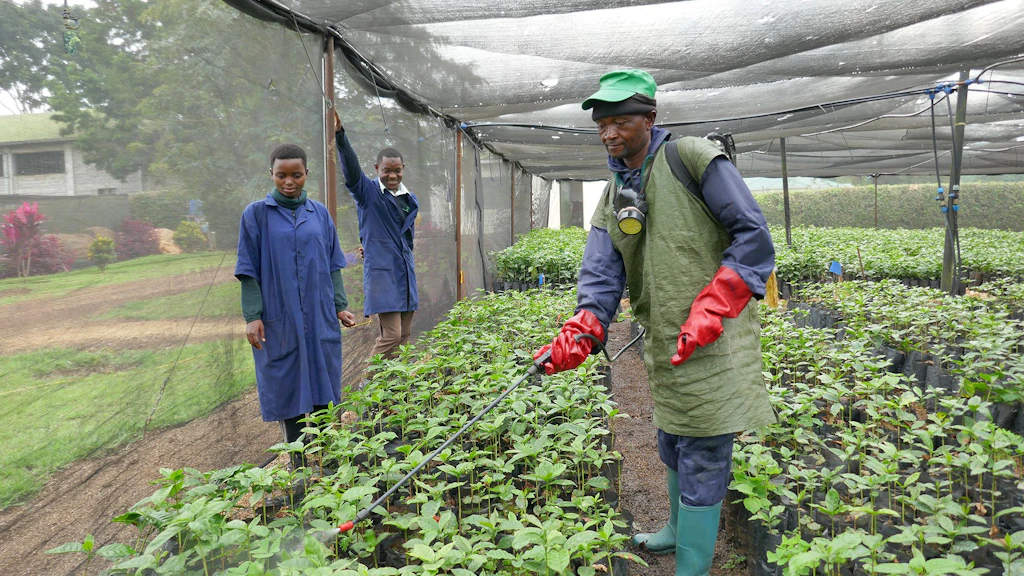
Highly hazardous pesticides harm both the environment by contaminating soil, water, and air, reducing biodiversity and disrupting entire ecosystems. In recent years, alternatives to pesticide use such as biopesticides and other agroecological approaches have gained momentum. But there are barriers such as limited infrastructure and incentives or non-adapted regulatory rules. Read key take-aways from a BRS COPs side event co-organized by Biovision and a recently published policy brief on the organic input sector in Kenya.

Examples of green practices of agribusinesses.

21 July 2025

From Soil to Sustainability: Agribusinesses in North Macedonia Go Green

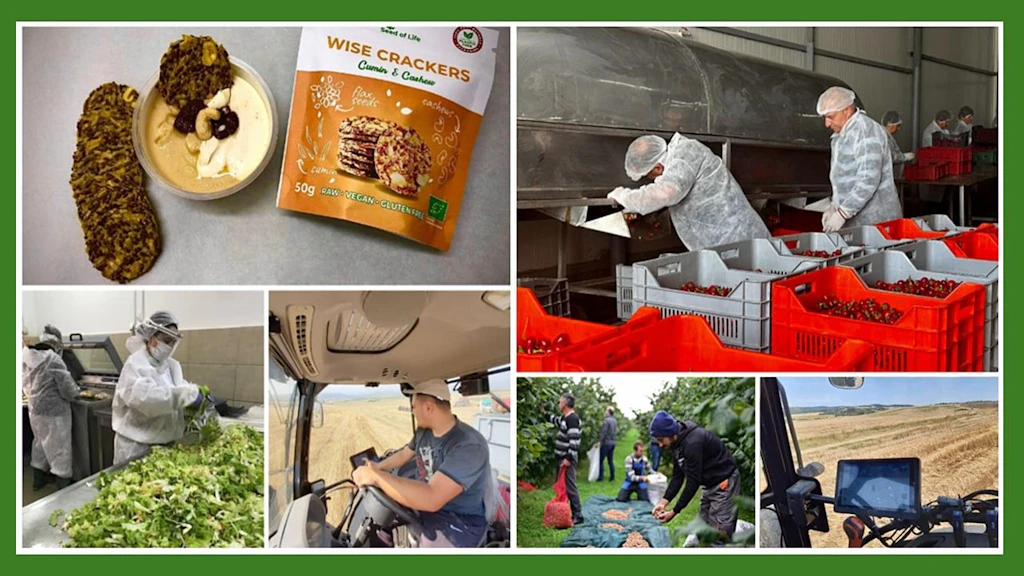
North Macedonia’s agribusiness sector is turning green, driven by innovation, EU-aligned reforms, and private investment. Through the Swiss IME program, farmers and producers are adopting sustainable technologies, eco-friendly practices, and international certifications like Global GAP and Bio Suisse. Legal reforms and targeted support further enable this shift. While challenges remain, a resilient, competitive, and climate-smart future for agriculture is already taking root across the country.

Cocoa beans drying at the cocoa cooperative SUMAQAO in the Lurin District of Peru.

21 July 2025

HAFL Hugo P. Cecchini Institute Annual Report 2024

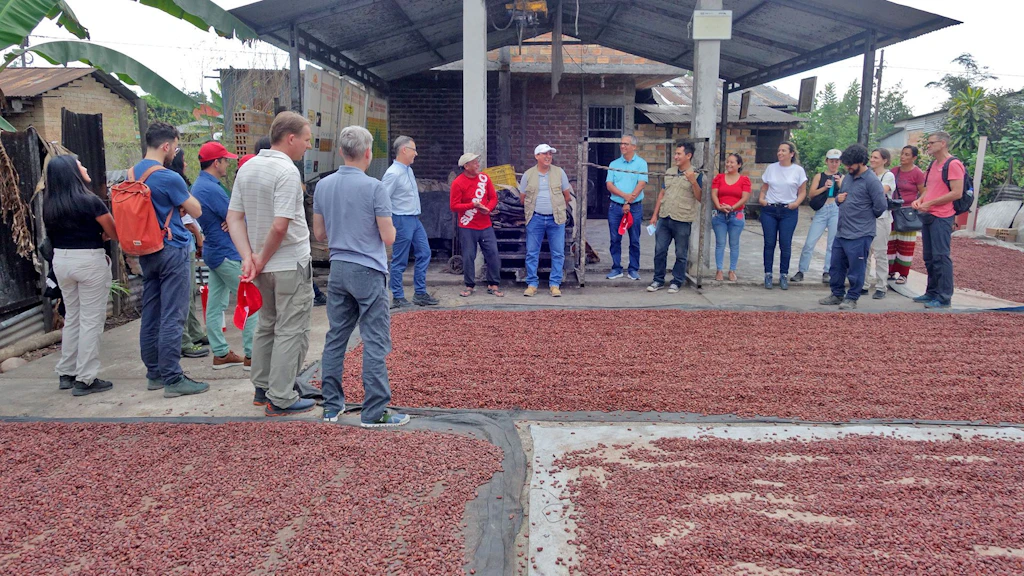
The HAFL Hugo P. Cecchini Institute Annual Report presents project highlights and key moments from 2024. It’s a concise and informative overview of the work conducted last year, with clickable links to projects and stories.

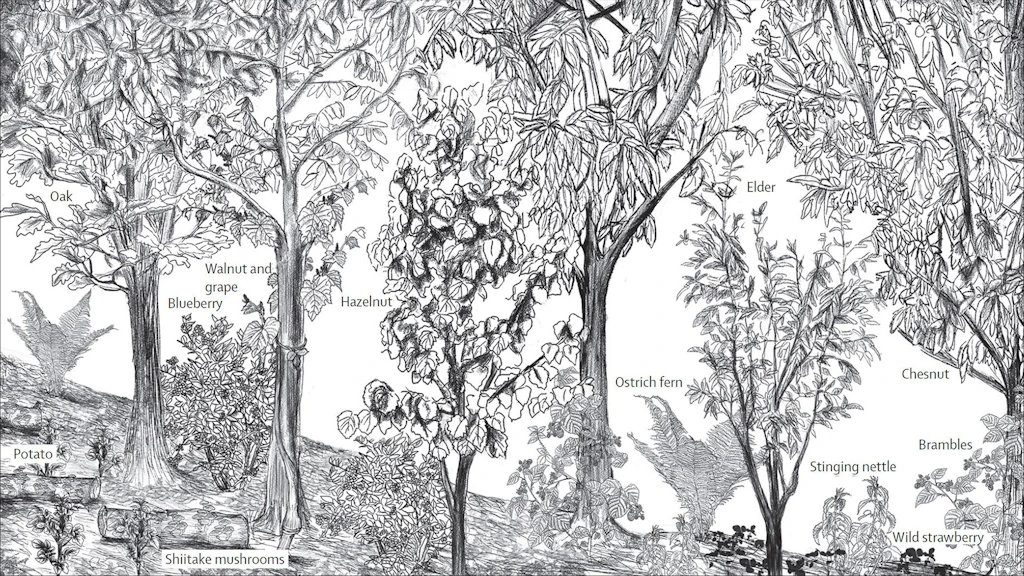
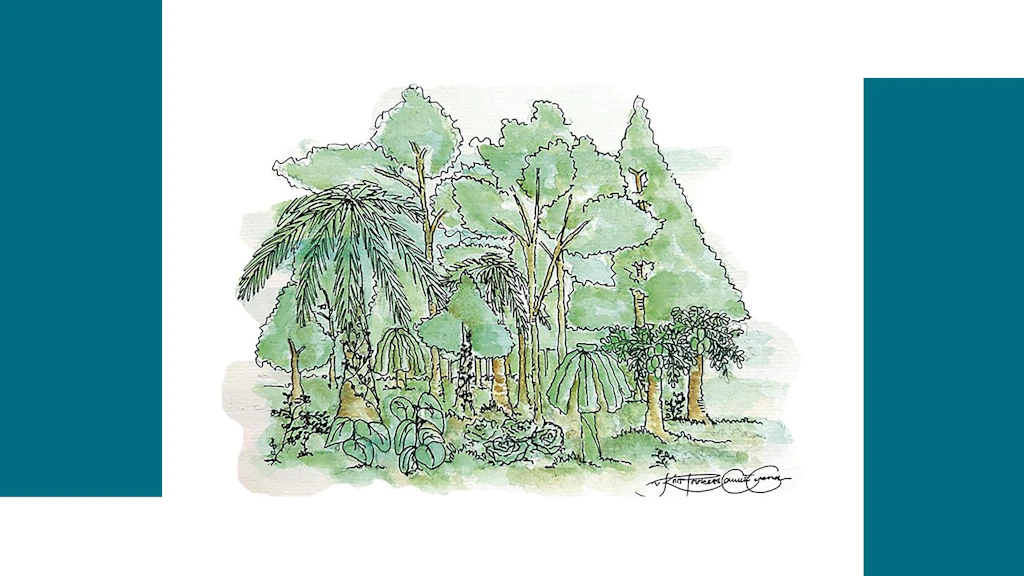
Illustration showing what a syntropic farming system can look like after approximately 20 years

21 July 2025

Publication about syntropic farming systems

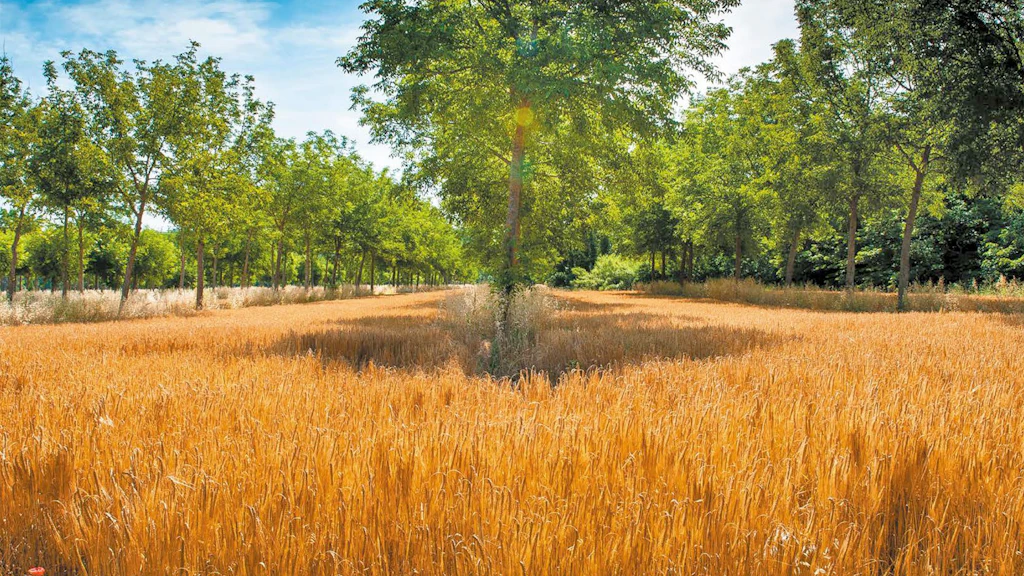
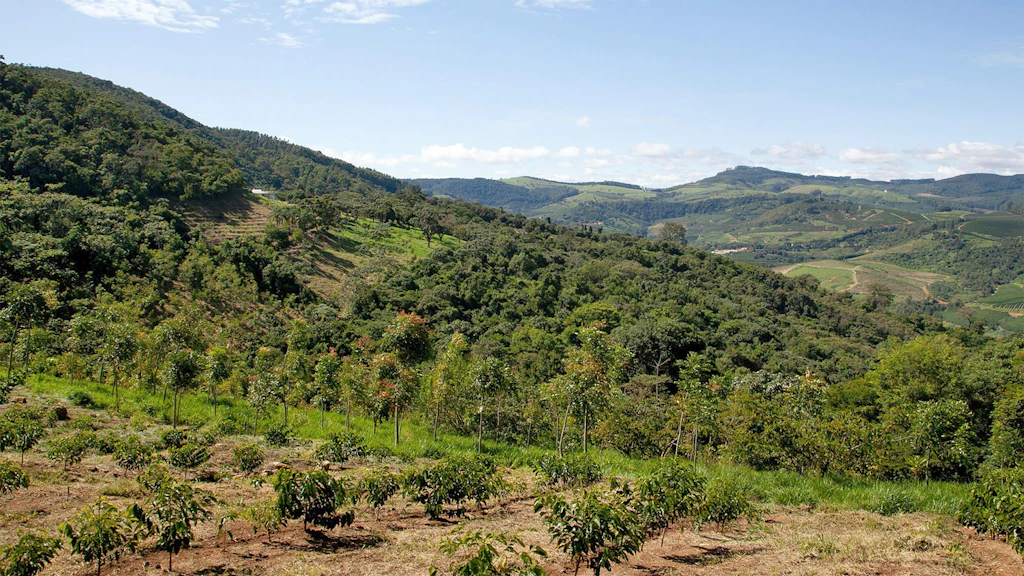
The article “Syntropic farming systems for reconciling productivity, ecosystem functions, and restoration” in the scientific journal “The Lancet Planetary Health” is a systematic review of the literature on syntropic systems. Over 90% of the 67 studies showed positive effects, especially on agrobiodiversity, nutritional quality, and yield quality. Also carbon storage, soil fertility, water cycling, climate resilience, and plant health appear favourable across widely varying cropping systems and environments. While most studies come from the tropics, syntropic systems are emerging also in Europe, highlighting their potential to productively redesign degraded and intensively managed agricultural landscapes in the temperate zone.

Nature-based Solutions for food security in France

21 July 2025

Nature-based Solutions for food security in France

The IUCN French Committee recently published a study on Nature-based Solutions for food security in France. It shows how NbS can make food systems more sustainable and resilient, with agriculture, aquaculture, and fisheries playing a key role depending on the local context. The publication includes 23 case studies, all analyzed using the IUCN Global Standard. They highlight concrete practices — from farm-level to landscape-scale — that benefit both biodiversity and food security. These examples are intended to inform and inspire policymakers, farmers, and other stakeholders to scale up NbS approaches across the country.

Monitoring land health in agricultural landscapes

21 July 2025

Monitoring land health in agricultural landscapes

The Land health monitoring framework introduces a holistic approach to assessing biodiversity and habitat diversity within agroecosystems. By offering a flexible framework that integrates a large range of existing tools and indicators, this report addresses the challenge of measuring land health – and the accompanying benefits it brings through various ecosystem services. The framework uses functional biodiversity—including above-ground biodiversity, below-ground biodiversity, and landscape elements—as indicators to evaluate the ecosystems’ capacity to support nature and people over time. As a complementary document to the report, a guidance note – Monitoring land health in agricultural landscapes – is now available, providing a step-by-step process to select indicators, develop monitoring protocols, and implement biodiversity tracking across scales in agricultural areas.

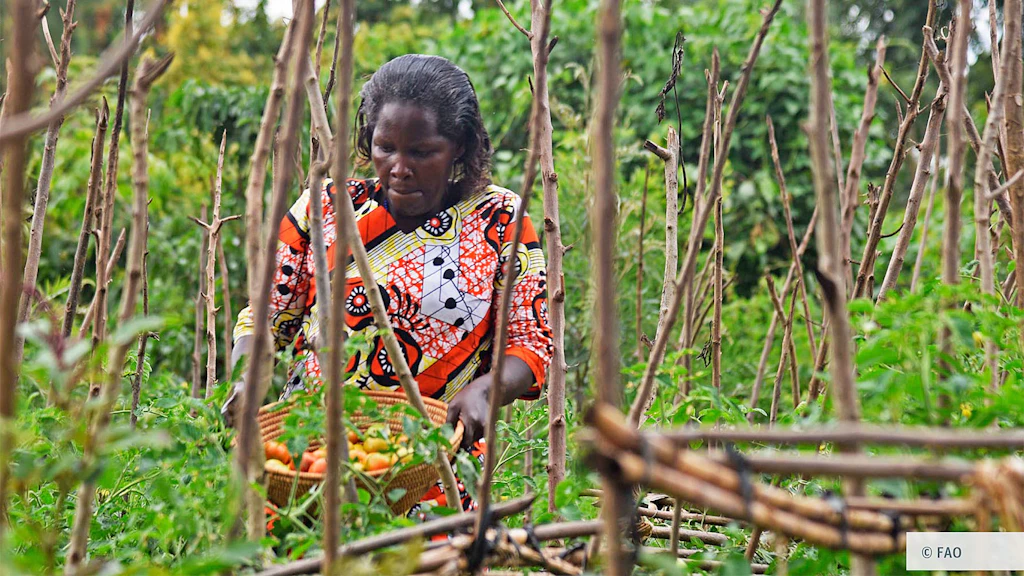
A smallholder farmer harvesting tomatoes from her farm.

21 July 2025

Uganda AE enterprise demand & business environment

The growth of agroecological enterprises (AEEs) presents an opportunity for stimulating agroecological farming. This study provides evidence and recommendations to back advocacy for increased financial and policy support for Ugandan AEEs. It examines consumer demand and provides a market systems analysis of the business operating environment for AEEs

Cocoa beans

21 July 2025

Human Rights and Environmental Due Diligence

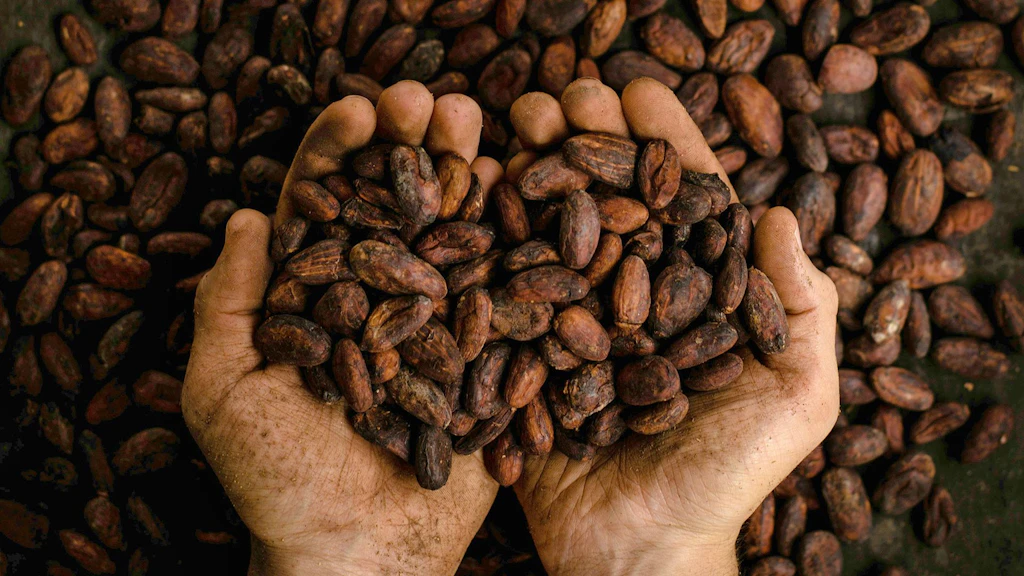
The EU Regulation on Deforestation-free Products (EUDR), which aims to minimize the contribution of the EU to global deforestation, is facing challenges in its implementation. One such challenge lies in applying the required due diligence provisions in producer countries such as Peru, where the impacts of the EUDR may be significant. Peru has a prominent tropical forest area and exports most of its cocoa and coffee to the EU, crops which are grown mainly by smallholder farming families and Indigenous communities. This study explores the ongoing implementation of the EUDR in Peru, through a case study in the country's cocoa and coffee sectors.

CEA-FIRST Gender and Youth Strategy

21 July 2025

2025 CEA-FIRST Gender & Youth Strategy

Agricultural research and innovation have historically been male-dominated, and youth participation in food systems has remained limited due to barriers like land access, financing, and decision-making structures. To address this, CEA-FIRST consortium members YPARD, FARA, CORAF, and Agrinatura, have drafted the 2025 CEA-FIRST Gender and Youth Strategy. This article presents the strategic priorities and key recommendations from this Strategy.

21 July 2025

ACELI Africa showcased in IC Forum 2025 on Local Private Sector Support

Access to finance remains among the biggest challenge for most SME’s working in the agriculture and food sector in Africa. Around 60% of the population is working in agriculture, but the sector remains highly underfinanced. In East Africa only 3-4% of the financial sector share goes towards agriculture and the food sector. Supporting local private enterprises with adequate finances and sound technical assistance are keys to achieve the SDGs, especially in a time as conventional development assistance is increasingly questioned. An interesting session was held on this topic during the recent IC Forum 2025, organized by SDC in Switzerland.

IUCN World Conservation Congress 2025

21 July 2025

IUCN World Conservation Congress 2025

The IUCN World Conservation Congress (9-15 October 2025) is where the world comes together to set priorities and drive conservation and sustainable development action. IUCN’s 1400+ government, civil society and Indigenous peoples’ Member organisations vote on major issues to help guide humanity’s relationship with our planet. The Congress is also the largest marketplace for conservation and sustainable development science, practice and policy. Scientists, policy experts, business leaders and professionals from around the globe share their experience, innovation and latest research. IUCN’s unique convening power of state and non-state actors together gives Congress a powerful mandate to set the nature conservation agenda for decades to come.

21 July 2025

Swiss Forum on Rural Advisory Services: Its Legacy

30 April 2025 - What started in 2010 as a gathering of like-minded experts turned into a 15-year journey of co-creation, debate, and mutual learning. As the Swiss Forum on Rural Advisory Services (SFRAS) officially wraps up, we look back at its key contributions — and forward to how climate change, privatization, and digitalization are reshaping rural advisory services. It’s not just a farewell; it’s a call to reimagine how we collaborate and share knowledge in agriculture and beyond.

Selina Bezzola

21 July 2025

Who is who: Selina Bezzola

Selina BezzolaPolicy Advisor Health & Food, SDC Health and Food Section

Vivien Osele

21 July 2025

Who is who: Vivien Osele

Vivien OselePolicy Advisor Health & Food, SDC Health and Food Section

1 May 2025

Launch of the Knowledge Hub

Are you designing a project? Struggling with a concept? The A&FS Network is delighted to introduce you to the Knowledge Hub. Visit this one-stop shop for practical guidance, essential knowledge, and advice from our experts.

7 April 2025

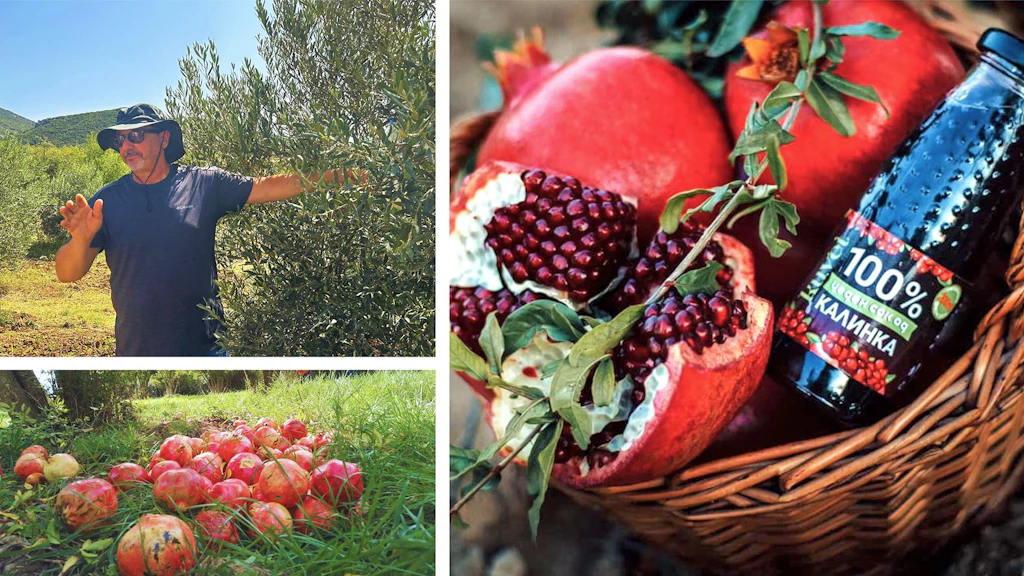
Revitalizing Pomegranate Production in North Macedonia

The region of Valandovo in North Macedonia stands out as a prime location for cultivating pomegranates, olives, and persimmons, thanks to its unique climate and fertile soil conditions. The area benefits from a plentiful water supply from nearby rivers and irrigation systems, ensuring consistent hydration for the crops. These natural advantages, combined with the expertise of local farmers, have made Valandovo a key area for pomegranate cultivation in North Macedonia.

7 April 2025

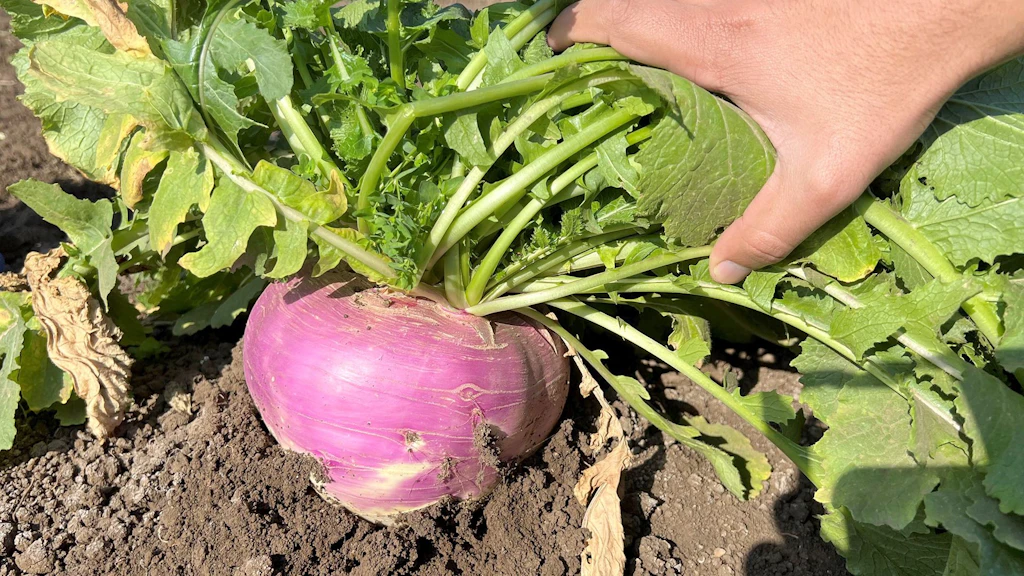
Pharmaceuticals: Organic Turnips for Medicinal Properties

Turnips are more than just a root vegetable–they’re a powerhouse of health benefits, packed with antioxidants and cancer-fighting compounds. But can they be grown organically with minimal inputs? Bassem, a small-scale farmer in Egypt, took on the challenge despite missing the ideal planting window. With biofertilizers and a pesticide-free approach, he cultivated a thriving turnip crop. His journey proves that organic farming can be both sustainable and profitable. Discover his innovative approach and future plans!

7 April 2025

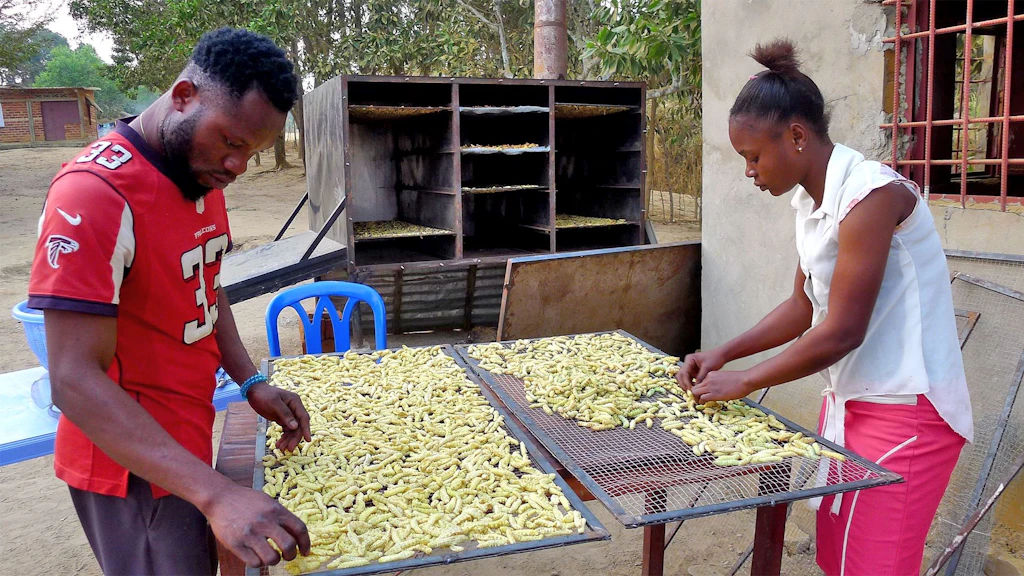
Enhancing Food Security Through Caterpillar Breeding

The Salvation Army, in partnership with the Congolese NGO “Songa nzila” has launched an innovative caterpillar breeding project in the Democratic Republic of Congo. This initiative aims to enhance food security by providing a sustainable, protein-rich food source while also creating new income opportunities for communities.

7 April 2025

Hesat2030: Delivering Results in 2025

Hesat2030 seeks to end hunger while also addressing malnutrition, inequity and climate change. It is charting a course for policymakers and donor agencies to make high-impact decisions and investments driven by data. To this aim, they offer evidence-based research, new tools and collective action.

7 April 2025

Ending Hunger is Possible

Solutions for ending hunger were discussed and showcased at the World Without Hunger Conference in Addis Ababa, mentioning that it is possible with concerted action among all partners and especially the contribution of the private sector. Please, read more about possible solutions and what needs to be done.

7 April 2025

Nyamasvinga’s Investment Journey in Peanut Butter

Meet the Nyamasvinga family from Mudzi District of Zimbabwe. Mrs. Nyamasvinga is the proud founder of Nyamasvinga Investments who has transformed what started as a humble backyard operation into a successful business known for its delicious Premium Taste Peanut Butter. The journey began in 2017, when the Nyamasvinga family harvested their first season of ground nuts. By 2022, demand for their premium peanut butter had grown so significantly that they began sourcing additional groundnuts from other local farmers.

7 April 2025

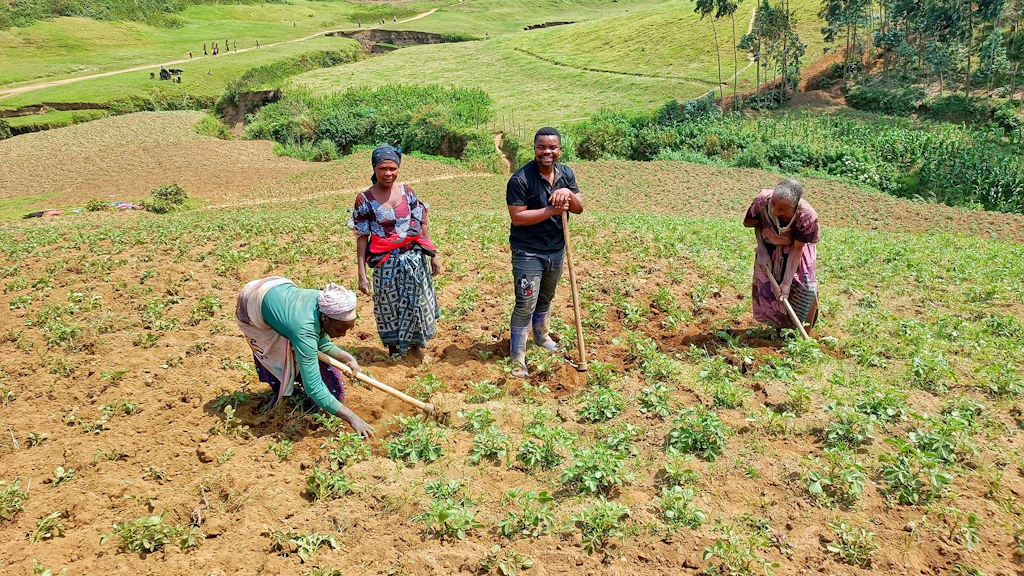
Producteurs de pomme de terre : résilience face à l’insécurité

L’Entraide Protestante Suisse (HEKS/EPER) appuie l’ONG VIFEDE dans le développement de la filière pomme de terre dans le territoire de Masisi, en République Démocratique du Congo. Les producteurs font face à une pénurie de semences de pomme de terre de qualité. Pour surmonter ces défis, VIFEDE, avec le soutien de HEKS/EPER, a introduit une production locale de semences saines à partir de vitro-plants cultivés en serre (greenhouse). Cette initiative a permis d’accroître la production de pommes de terre et d’améliorer les revenus des producteurs.

7 April 2025

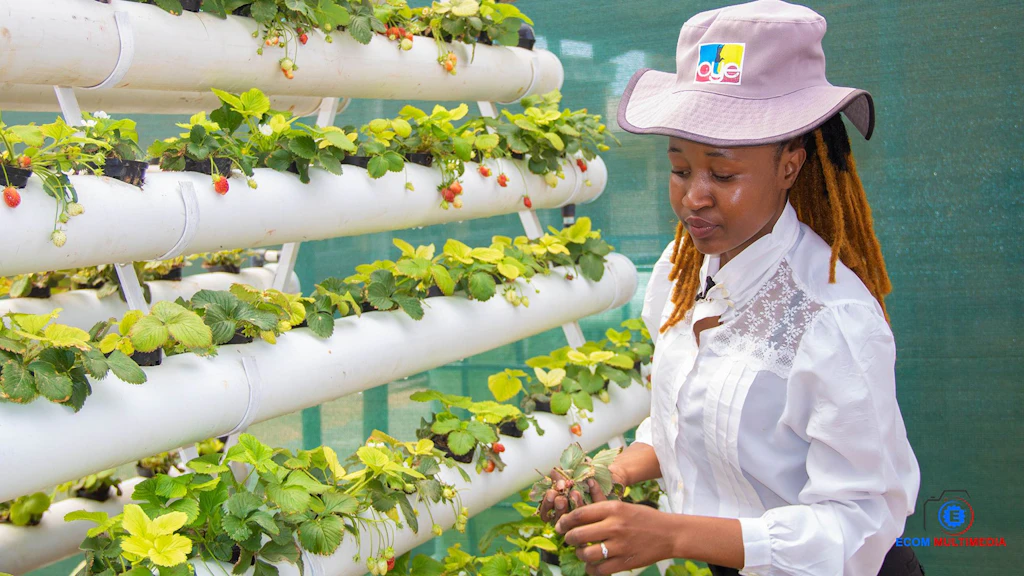
A Resilient Champion of Urban Climate Sustainability

Ntombifikile Ncube’s journey from a passionate young farmer to a successful hydroponics entrepreneur showcases the impact of the OYE+ Scaling up Youth Employment in Agriculture Initiative. With training, mentorship, and financial support, she built a climate-resilient urban farm in Zimbabwe, promoting sustainable agriculture, food security, and youth empowerment.

7 April 2025

Building Agroecological Territories in Chad

In Chad, the CACOPA approach (Cadre de Concertation pour la Promotion des Pratiques Agroécologiques), supported by SWISSAID, is demonstrating that agroecology can be a driver of territorial transformation. By fostering communities’ involvement, this approach is building resilient, thriving agroecological territories.

7 April 2025

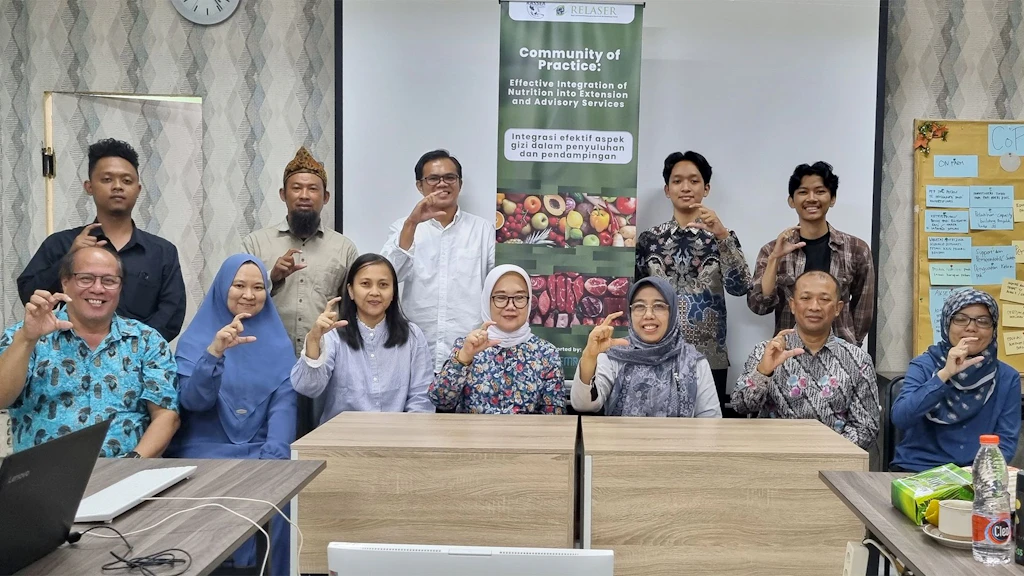
Leveraging RAS for Improved Nutrition in Indonesia

Rural Advisory Services (RAS) are key to tackling malnutrition in rural areas. GFRAS networks are involved in a Community of Practice (CoP) identifying case studies, promoting nutrition-sensitive agriculture, leveraging digital tools and multi-stakeholder engagement. Learn about a case from Indonesia about RAS can transform nutrition outcomes in the region and beyond.

7 April 2025

Case Study of MetKasekor

Smallholder farmers face declining productivity and low profits due to limited awareness of sustainable practices. MetKasekor is the solution, bridging farmers, private companies, and government agencies to drive Conservation Agriculture (CA) adoption. Through hands-on training, field showcases, and strong public-private collaboration, farmers access essential knowledge, services, and technologies. This transformative approach boosts yields, reduces costs, and enhances soil health, ensuring long-term profitability. MetKasekor isn’t just a model, it’s the future of sustainable farming in Cambodia.

7 April 2025

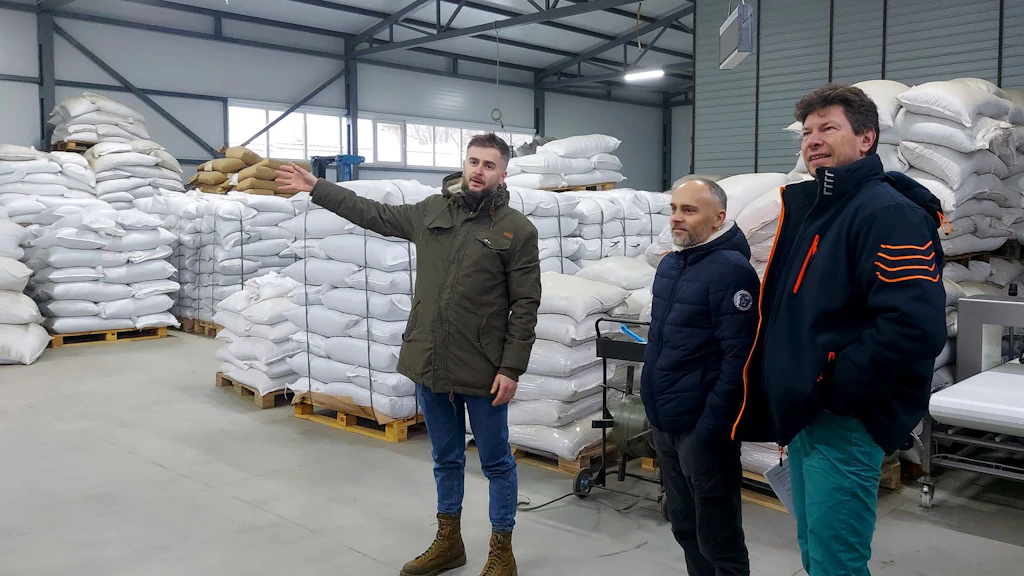
Organic Sector and Market Development in Ukraine

FiBL has been supporting Ukrainian organic producers in the conversion and marketing of their products for around 20 years. During this period, the organic area has almost tripled. Due to the war, the conditions for local organic producers have been difficult. Despite the challenges, FiBL continues to advise farms on agronomic issues and supports them in finding new distribution channels. Last December, two FiBL experts travelled to Ukraine to meet organic farmers and understand their needs in times of war.

7 April 2025

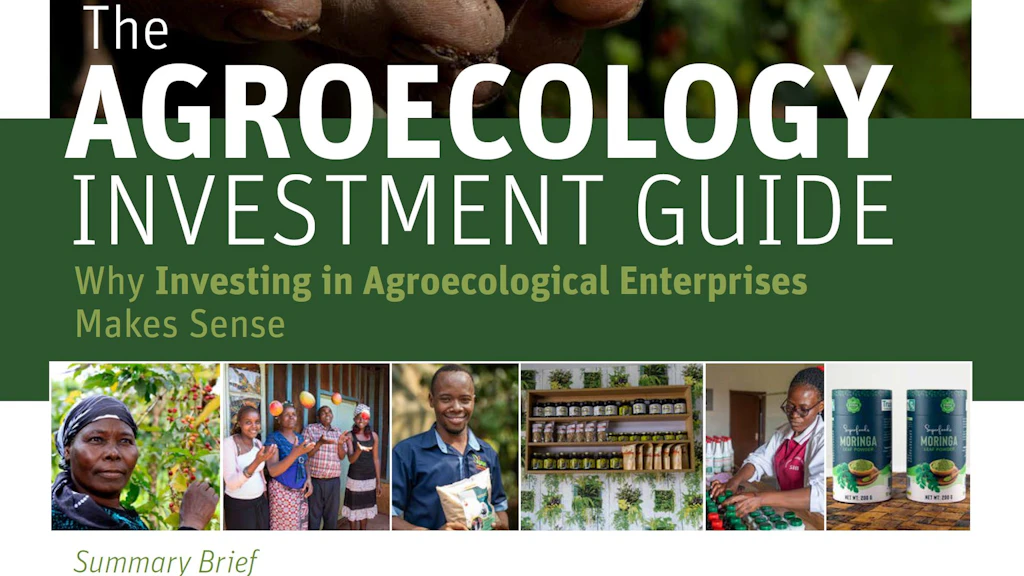
Release: Agroecology Investment Guide Brief

Agroecological enterprises (AEEs) promote sustainable food systems by supporting healthy diets, biodiversity, and resilient farming communities. However, they often struggle to access financing, especially in Sub-Saharan Africa. To guide donors, investors and programme managers, Biovision has developed an interactive investment guide outlining AEEs’ benefits and financing solutions. A new Summary Brief condenses key insights, showcasing why investing in AEEs makes economic and ecological sense. The guide also features inspiring case studies and innovative funding mechanisms.

7 April 2025

Agroecology: Connecting Land, Climate, and Biodiversity

How did the climate, biodiversity and land degradation COPs deliver on the sustainable food systems agenda, and agroecology in particular? Which opportunities are there for agroecology in the aftermath of the 2024 COPs, as we look ahead to COP30 climate negotiations, set to take place in Belém, Brazil? This policy brief by the Agroecology Coalition, GIZ, Biovision, CARI, and WWF provides new insights and key recommendations to tackle these questions.

7 April 2025

Food Systems Countdown Initiative 2024 Report

The Food Systems Countdown Initiative is a global interdisciplinary scientific collaboration that aims to track the progress of food system transformation by regularly providing updated data on 50 food system indicators and producing thematic analyses related to key food system topics. The 2024 Countdown analyses changes in indicator values since 2000 as well as interactions among indicators. In addition to a peer-reviewed paper, a policy report and summaries in six languages are available.

7 April 2025

A Suite of New Reports from IUCN

Build your knowledge of the field with a suite of new reports from IUCN’s Food and Agricultural Systems Team: New insights into Sustainable agriculture and Nature-based Solutions; the Biodiversity-Agriculture Nexus; an Arabic translation of the Flagship Agriculture and Conservation Report, and the Spanish version of Exploring the Future of Vegetable Oils. Available for download now.

7 April 2025

RAISE - Giving Those Affected a Voice

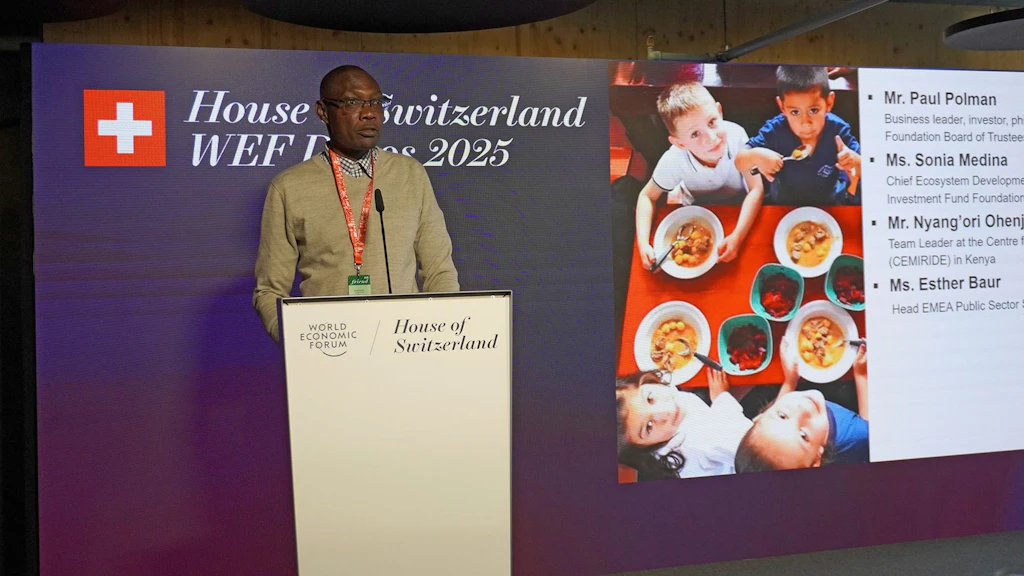
The international consortium RAISE, led by Fastenaktion and co-financed by the SDC, is committed to agroecological change and the implementation of peasants’ rights. RAISE partner Nyang'ori Ohenjo, representative of Kenyan civil society, attended the WEF in Davos and gave a statement during the Pre-session of Kenyan UPR in Geneva. Read the interviews with Fastenaktion and Vétérinaires Sans Frontières Suisse (VSF) to find out more about his engagement and how important it is for those affected to make their voices heard in political processes.

7 April 2025

Young Leaders Transforming Europe’s Food System

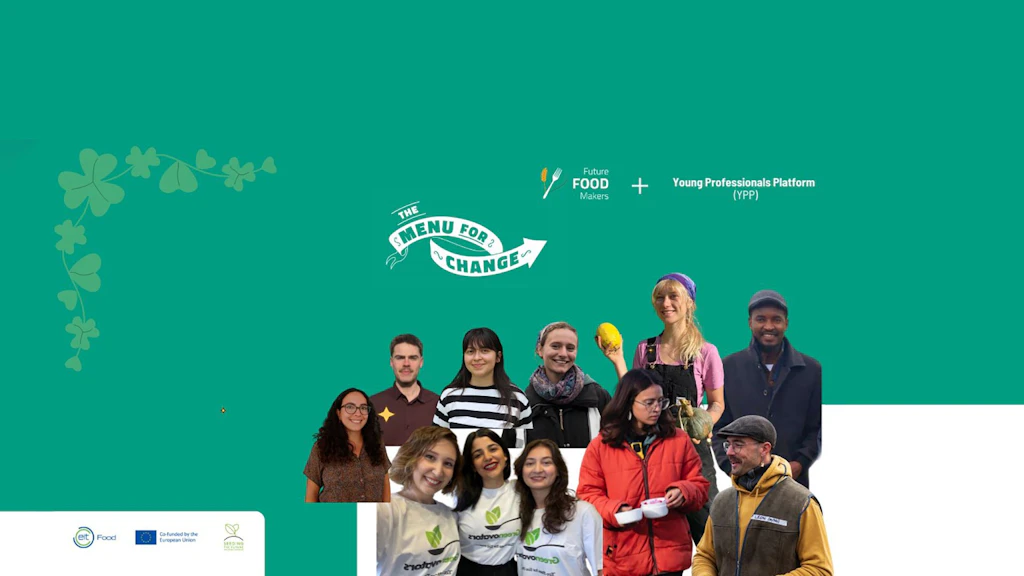
The Menu for Change Challenge, led by EIT Food, the Seeding The Future Foundation, and the Young Professionals Platform, including YPARD, has recognized five youth-led teams revolutionizing Europe’s food system. Initiatives range from sustainable university cafeterias and student-run agroecological farms to educational programs reconnecting children with agriculture. Each team receives a €5,000 grant, mentorship, and opportunities to showcase their projects at major events like Next Bite 2024 in Brussels and IFT FIRST 2025 in Chicago.

7 April 2025

Safe and Nutritious Food for City Dwellers

Ensuring food security in urban Bangladesh is a growing challenge. Experts at a recent workshop emphasized the need for stronger policies, better public procurement, and community engagement to guarantee safe and nutritious food for city dwellers. In collaboration with key stakeholders, the NICE Project is driving efforts in Rangpur and Dinajpur to improve urban nutrition. While progress is being made, implementation gaps remain. Can Bangladesh create healthier cities through strategic reforms? Discover the key insights and recommendations from the discussion.

7 April 2025

Who is who: Charline Pasche

Short biography: Charline has been working as an academic trainee for the SDC's Health and Food Section since February 2025. She is supporting the Agriculture & Food Systems Network, and in particular its platform, newsletter and webinars. Passionate about international cooperation, her studies in International Relations, Public Management and Public Policy enable her to approach complex issues with an interdisciplinary, multi-stakeholder approach, aiming at innovation, sustainability and impact. Recently, her semester at the University of Botswana gave her valuable insights into possible approaches and policies to address challenges related to natural resources management, land property, human-wildlife conflict and food security.

15 January 2025

2024 Food Systems Countdown Report

The Food Systems Countdown Report tracks the transformation of global food systems through 50 key indicators, offering a comprehensive analysis of progress since 2000.

11 December 2024

Transforming land investments: the Risk-Reward Model

How can land investments drive sustainable development? The Risk-Reward Model (RRM), co-created by CIFOR-ICRAF, SNV, Land Equity International, and local multi-stakeholder platforms, equips governments and investors with a GIS-based tool to visualise economic, social, and environmental risks and rewards. By enhancing decision-making and aligning private capital with sustainable development objectives, the RRM fosters transformative policies and investments. Learn how this locally led innovation is reshaping land investment practices in Ghana, Ethiopia, Mozambique, and Laos.

11 December 2024

Revue Grain de sel: systèmes alimentaires durables en Afrique

Le nouveau numéro de Grain de sel, revue collaborative publiée par Inter-réseaux Développement rural, élaboré en partenariat avec Ipar Think Tank, se penche sur l'importance des interfaces et synergies entre recherche scientifique et politiques publiques pour renforcer la durabilité des systèmes alimentaires en Afrique de l'Ouest. Il examine comment une recherche prospective et territorialisée peut influencer et améliorer les politiques pour répondre aux défis urgents de sécurité alimentaire et de la durabilité environnementale, tout en proposant des méthodes et initiatives pour rendre ces connaissances accessibles et utiles aux décideurs, aux organisations paysannes et aux populations.

11 December 2024

Growing hope: transforming lives in Uganda

In the Gulu district of northern Uganda, an innovative project is using agricultural training to help street-connected youth rebuild their lives. The «Dongo Anyimi» ("Grow Your Future") project, run by Hashtag Gulu Initiative, combines agricultural skills development and intensive family mediation to help vulnerable young people reconnect with their communities. The project also strengthens local climate resilience while building financial sustainability for long-term impact.

11 December 2024

Pratiques féministes et agroécologiques pour un monde durable

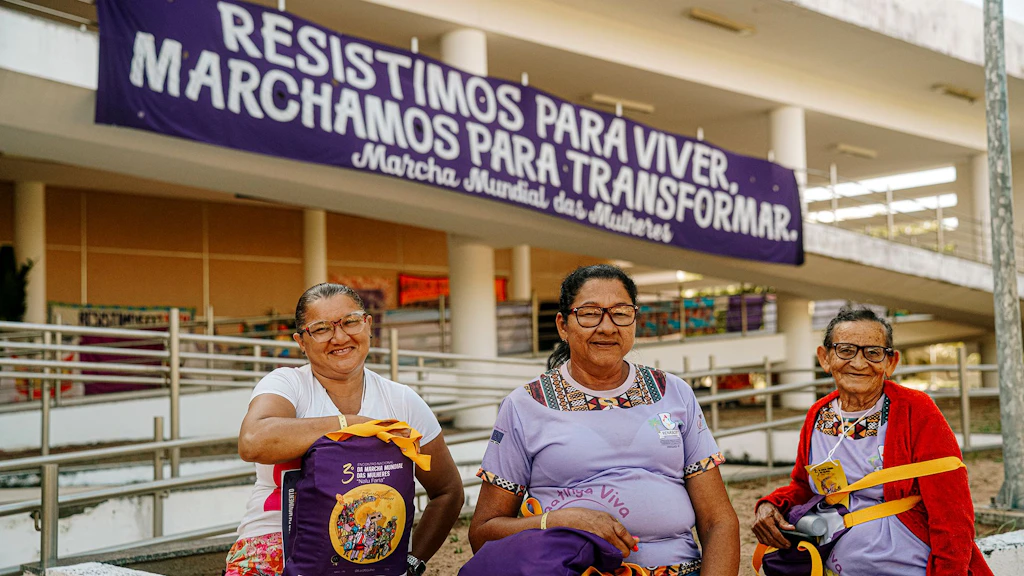
Natália Lobo est agroécologue et militante de la Marche Mondiale des Femmes, partenaire d’E-CHANGER au Brésil. Ses recherches portent sur les liens entre agroécologie et rapports de genre. Dans cet entretien avec Maïmouna Mayoraz, elle explique son travail avec les femmes rurales au Brésil ainsi que les liens entre souveraineté alimentaire et égalité des sexes.

11 December 2024

Agroecological extension approaches in Africa

Discover how the ATREA project, led by AFAAS with GIZ and GFRAS support, is supporting agroecological extension services in Benin, Ethiopia, Kenya, and Madagascar. By analysing participatory approaches like Farmer Field Schools and innovative digital tools, this initiative offers insights into empowering farmers, scaling sustainable practices, and fostering partnerships. The upcoming synthesis report, set for release shortly, provides actionable lessons for Rural Advisory Services (RAS) to bridge knowledge gaps and drive agroecological transitions across Africa.

11 December 2024

Smart agriculture against climate change

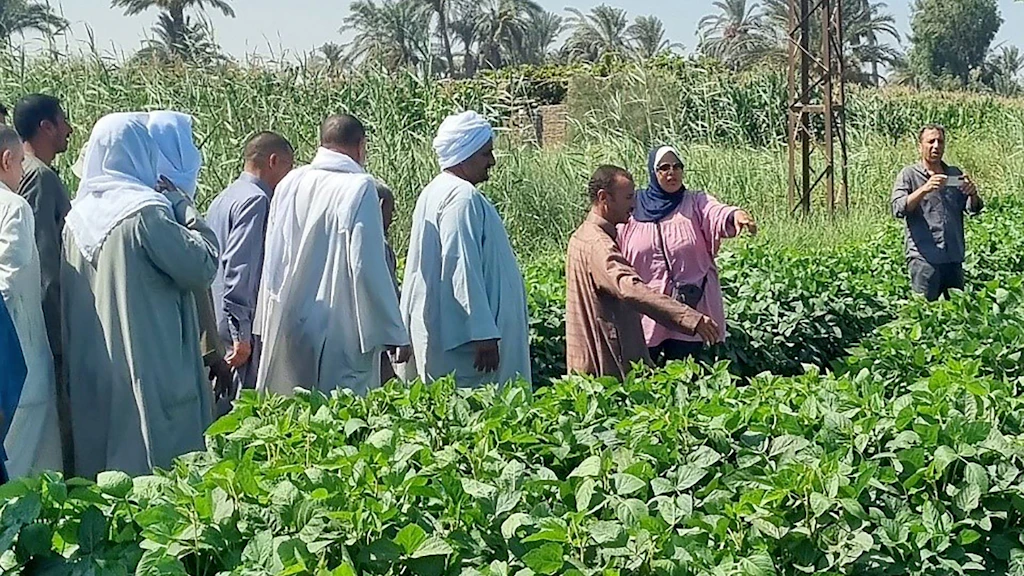
This furrow irrigation will not work for us, it’s too much labour”, exclaims a farmer during a field visit to the trial field of ICARDA and the Ministry of Agriculture in Beni Sueif, Egypt. The Agriculture Innovation Project II, funded by Germany and Switzerland, is assessing climate vulnerability of agricultural crops and viability of different solutions, in cooperation with ICARDA and the Ministry of Agriculture, to promote green innovations for higher incomes for smallholder farmers and rural businesses in Upper Egypt.

11 December 2024

Cultivating community and sustainability in North Macedonia

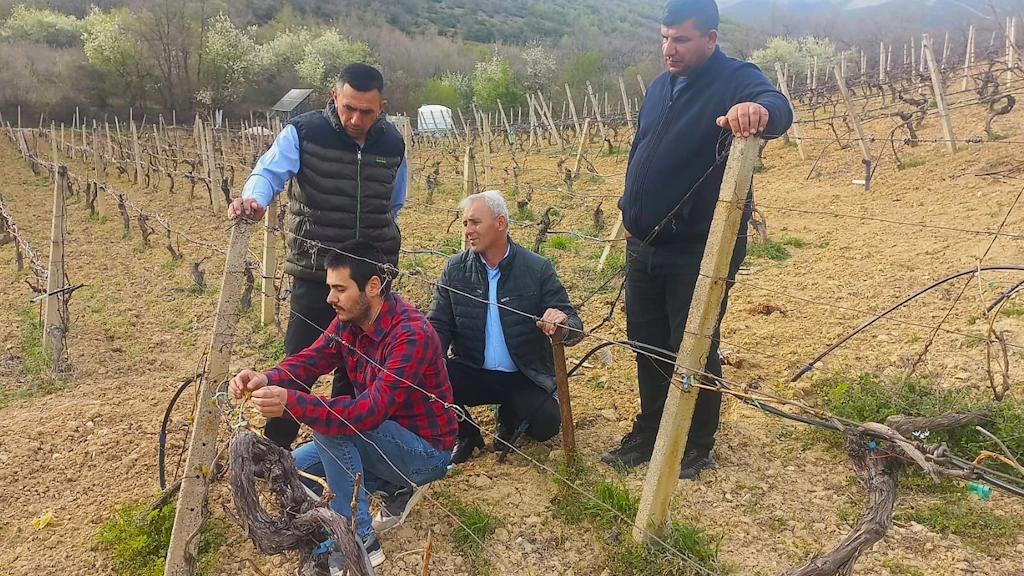
Established with the vision of uniting local farmers, particularly grape growers, Bojane Agricultural Cooperative embodies a model of collective effort and sustainability. Comprising ten permanent members, it serves as an organised platform designed to address the multifaceted challenges faced by farmers while equipping them with the knowledge and tools necessary to thrive in a dynamic agricultural environment.

11 December 2024

Promoting the WHO framework for Public Food Procurement Policies

On 18 November 2024 a workshop was organised in Dhaka by the Bangladesh Food Safety Authority and the Nutrition in City Ecosystems (NICE) Project to examine the WHO Action Framework for Public Food Procurement Policies. The workshop debated the challenges faced by vulnerable urban populations to access diverse diets, and how public procurement could help to address this. Key discussions included forming a task force, policy advocacy, and promoting public procurement of nutritious, locally sourced foods to schools, and hospitals.

11 December 2024

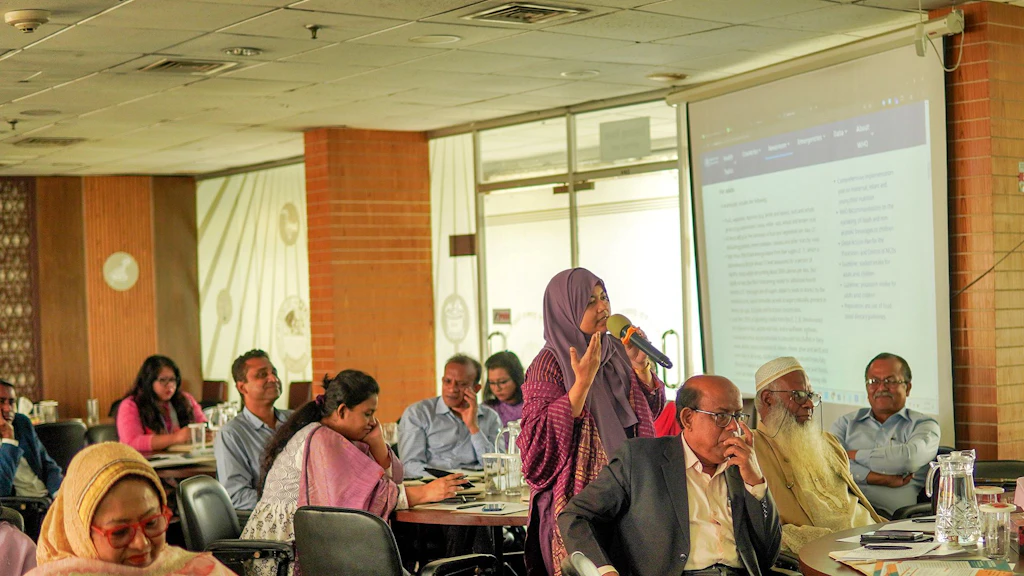
IUCN launches flagship report on agriculture and conservation

IUCN’s Flagship Report Series focuses on the importance of conserving nature for human well-being and all life on Earth. Agriculture and conservation, the second Report, asks: can we end hunger and ensure food security while also protecting and restoring nature? Agriculture and conservation sets out the positive and negative relationships between agriculture and nature conservation. Read the key messages briefing and the full report via the link below.

11 December 2024

Farmers in Zimbabwe: turning minimal inputs into stable incomes

The Salvation Army Switzerland (Stiftung Heilsarmee Schweiz) and Salvation Army Zimbabwe are supporting rural communities to diversify income and strengthen their resilience against the negative impacts of climate change. A midterm review and field visits offer a chance to reflect on the next steps.

11 December 2024

Analyses financières des impacts négatifs des systèmes agroalimentaires

Le rapport annuel 2024 de la FAO, « L'état de l'alimentation et de l'agriculture dans le monde » souligne l'importance de comptabiliser les coûts des externalités négatives des systèmes agroalimentaires et appelle tous les acteurs à s’impliquer pour une transformation vers des systèmes alimentaires plus équitables et durables.

11 December 2024

20 years Swiss support to agricultural extension in Laos

Eighty percent of Laos' population relies on agriculture for their livelihoods. For over 20 years, the Swiss Agency for Development and Cooperation, in partnership with Helvetas, has supported Laos in making agriculture more effective and sustainable. Through the LEAP and LURAS projects, they have strengthened rural advisory services, focusing on poverty reduction, climate change adaptation, and the Green Extension Approach. These efforts have improved public extension services, empowering farmers with knowledge, market access, and sustainable farming practices.

11 December 2024

Launching of Kenya mass markets & PGS policy brief

A new policy brief on the need for greater recognition for agroecological markets and the emergence of favourable regulation for Participatory Guarantee Systems (PGS)-based products was launched on 6th November at the Kenya Agroecology Symposium, Nairobi. The Symposium's Call-to-Action highlighted the recommendation that the Kenya National Accreditation Service recognises PGS as a certification system. The research was commissioned by Biovision and implemented by Practical Action with Kenya Organic Agriculture Network, Participatory Ecological Land Use Management, Slow Food Kenya, Biovision Africa Trust.

11 December 2024

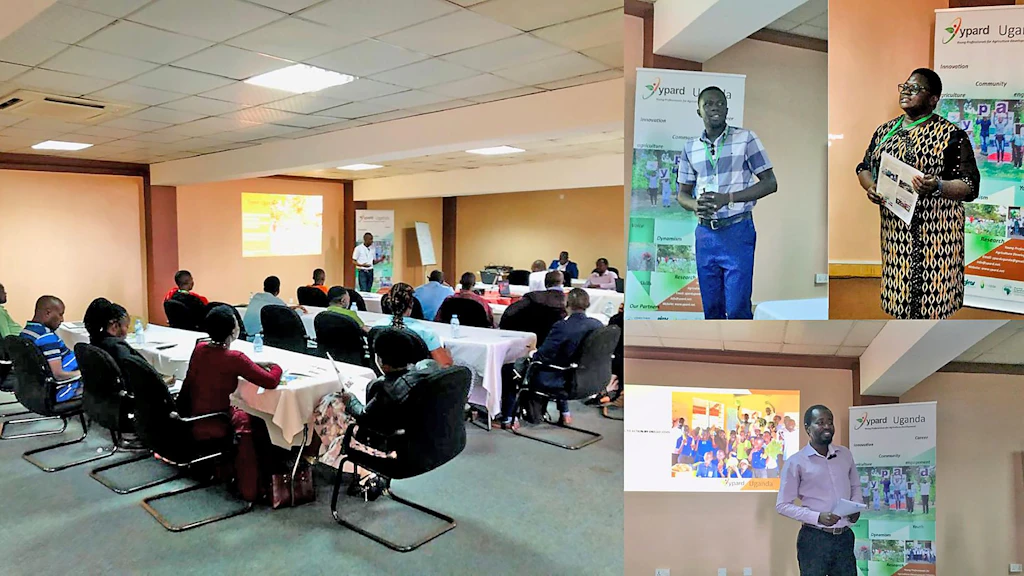
Highlights from YPARD Uganda Agroecology Fellows’ Café

YPARD Agroecology Fellows in Uganda recently hosted their first Café event, uniting 80 participants to explore «Youth Leadership in Agroecology» during the Uganda National Extension Week. Held in Kampala, the hybrid event sparked vibrant discussions on sustainable farming practices, leadership opportunities, and overcoming challenges in agroecology. Organised by YPARD Uganda under the GP-SAEP project, it empowered young leaders to promote transformative, eco-friendly agricultural systems. With its collaborative spirit, the Café showcased youth as pivotal to Uganda’s sustainable agricultural future.

11 December 2024

Guidance tool: boosting biodiversity through agroecology

Industrial agriculture and food systems are a major driver of biodiversity loss. To address this, agroecology offers a promising pathway to fight against the biodiversity crisis through measures such as transitioning to ecological farming practices, nurturing diversity of seeds or reducing the use of polluting synthetic inputs. Discover our practical Guidance Tool «Boosting Biodiversity Action Through Agroecology». It contains practical advice on how to integrate agroecological principles and interventions into National Biodiversity Strategy or Action Plans.

11 December 2024

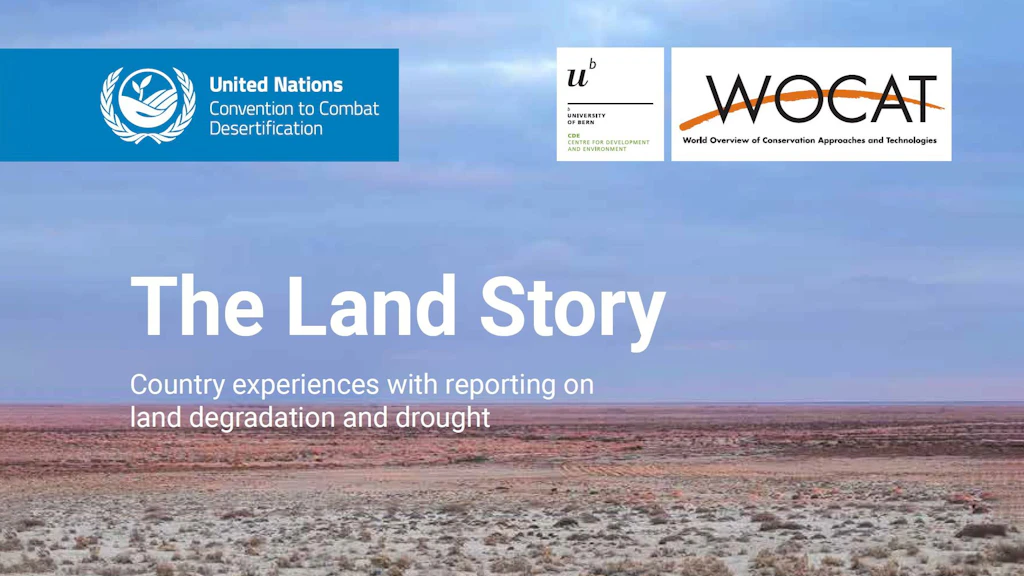
Reporting experiences on degradation & drought

"The Land Story - Country experiences with reporting on land degradation and drought” by the UNCCD, WOCAT and the Centre for Development and Environment (University of Bern) shares insights and methodologies from 30 countries that contributed to improving land degradation and drought reporting. It provides insight to the range of approaches that countries have taken to overcome challenges related to data availability, reliability, analysis and upload, digital and geospatial literacy, as well as sufficient and timely financial resources.

11 December 2024

Fiches techniques pour valoriser l'eau de pluie

Notre plateforme vous présente son nouveau kit technique. Ces fiches, fruits de réflexions et d’échanges de bonnes pratiques constituent une ressource pédagogique qui offre aux acteurs du développement international des méthodologies et des solutions concrètes pour optimiser l’eau de pluie, cette précieuse ressource et l’intégrer dans vos stratégies de projets sur le terrain. Polyvalentes et concrètes, elles servent à la fois d’outils techniques et de sensibilisation.

11 December 2024

A healthy diet for women and children in Chittagong

One in two people in the Chittagong region is affected by poverty, and malnutrition is widespread: one in two children are stunted in their growth and one in five are severely malnourished. The reasons for malnutrition are manifold: poor maternal health, insufficient breastfeeding, limited access to nutrient-rich foods, and lack of knowledge. Frequent diarrhea from contaminated water and poor hygiene worsens the situation. In Bangladesh, Helvetas supports ethnic minority families and informs them about the links between nutrition, hygiene and health and shows them ways to improve their diet.

11 December 2024

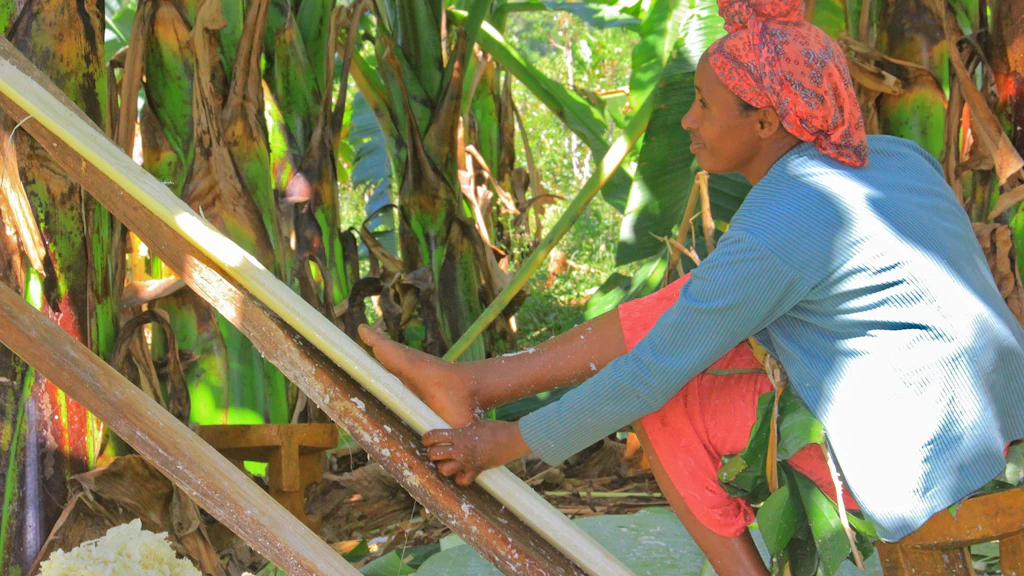
«Enset» an orphan crop that feed 20 million people in Ethiopia

Enset, the drought-tolerant «False Banana,» feeds millions in Southern Ethiopia but struggles with outdated processing methods. A transformative project led by the NGO «Education for Development Association» is empowering women, modernising techniques, and unlocking Enset's potential to combat food insecurity and climate change.

11 December 2024

Télio Gaborit, academic trainee at the Swiss permanent mission in Rome

Depuis juillet, j’occupe le poste de stagiaire à la Représentation permanente de la Suisse auprès des Nations Unies à Rome (FAO, PAM et FIDA).

13 November 2024

Agroecology in Action: Stories from the Ground

This document is the product of extensive discussion and presentations under the Agroecology Coalition’s Working Group on Implementation, which allowed members to interact and reflect on lessons learnt from the implementation of agroecology projects and initiatives worldwide.

13 November 2024

The State of Food and Agriculture 2024

This FAO report builds on the findings of the 2023 edition, delving deeper into the use of true cost accounting assessments of agrifood systems and identifying policy interventions aimed at transformation.

28 October 2024

What are healthy diets?

Joint statement by the Food and Agriculture Organization of the United Nations and the World Health Organization

19 September 2024

Agroecology in Southern Africa: Financing the Transition

The Partnership for Social Accountability (PSA) has just published a new report assessing the extent to which national agricultural policies, as well as budgeted programmes and projects, support agroecology in Malawi, Tanzania, Zambia, and Zimbabwe. Despite some progress, the report reveals that support in these countries continues to favour conventional, industrial farming practices.

18 September 2024

Farmer Innovation Groups co-create knowledge in Armenia

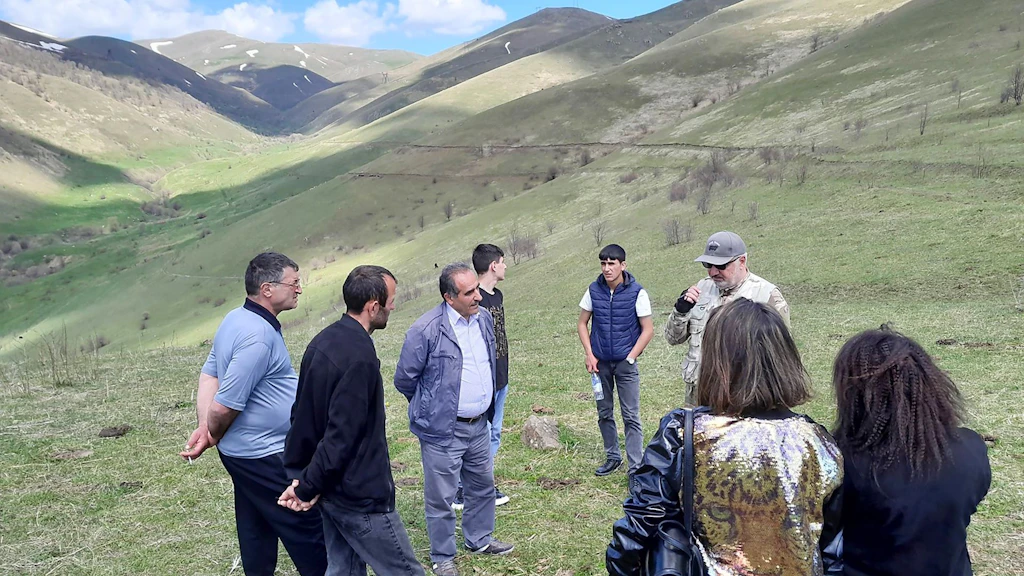
Rural Advisory Services don’t exist anymore in Armenia. With innovation groups based on the interactive innovation model, farmers co-create with partners solutions to their needs and boost their productivity. Agricultural college teachers could facilitate these groups if a shift in the job profile is made. This would also improve their competencies in providing up-to-date VET training to their apprentices. Such a form of mutual support and further development is often just as effective as a RAS, but much cheaper. Of course, this also requires farmers who understand their trade and can continue to build on it.

28 August 2024

Vacancy: Swiss JPO in the FAO

This vacancy is aimed at young professionals in the agricultural and agri-food sector, of Swiss nationality, who wish to work in an international organisation.

5 August 2024

State of Food Security and Nutrition in the World 2024

Every year, this most intensely scrutinized of FAO’s reports presents the headline number of undernourished people around the world, while advocating for strategies against hunger and malnutrition.

10 June 2024

Innovative mushroom cultivation preserving Manipuri cuisine

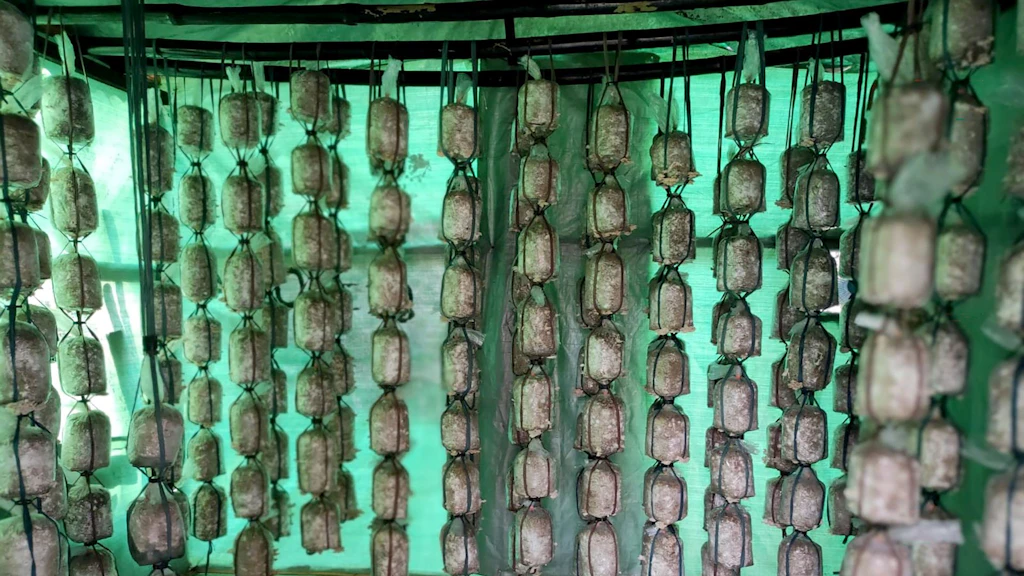
Split gill mushroom, or kanglayen in Manipuri, is a key ingredient of mouth-watering delicacies such as kanglayen paknam (flat spicy baked dish), kanglayen eromba (with fermented fish and other ingredients) or simply fried on its own as kanghou. Deforestation, climate change, and rapid urbanisation are making it hard to forage for this mushroom in the wild. Puina Sukham, a young AgriEntrepreneur based in Manipur, is addressing this scarcity by developing an innovative solution to growing the mushroom in simple controlled chambers.

7 June 2024

Discussion paper: the role of livestock in food system transformation

Livestock production is more than just producing meat, milk and eggs. It plays multiple roles and holds an intricate position in food systems. Pathways to address livestock issues need to be context-specific and multifaceted, trade-offs are inevitable. A recently published discussion paper by the Swiss national FAO-Committee, a multistakeholder consultative body nominated by the Swiss Federal Council, discusses the livestock sector as integral part of food systems transformation and proposed a set of recommendations at global and national level.

4 June 2024

Advancing organic cacao cultivation in agroforestry: successful training in Bolivia

An international training course on organic cacao production in diversified agroforestry systems took place at the beginning of April in Bolivia. The two-week course, organized by FiBL Switzerland together with Bolivian partners, shared experiences and research findings from the project “Long-term farming systems comparisons in the tropics (SysCom) Bolivia" and fostered discussions on sustainable agricultural practices.

23 May 2024

Food Security Nexus Specialist & Nutrition Nexus Expert

Facing increasing requests to deploy Food security / Food systems / Nutrition experts, the Swiss Humanitarian Aid Unit (SHA) wishes to strengthen its response capacity.

21 May 2024

2024 Global Report on Food Crises

The GRFC is the reference document for a comprehensive analysis of global, regional and country-level acute food insecurity.

16 April 2024

21 Seed Case Studies by AFSA

These twenty one case studies have been collected from nine African countries and India. From the most hostile environments of the Sahel (Niger) to equatorial wetlands (Gabon), saline soils (Tanzania) and oases (Tunisia), the authors show us how farmers’ varieties meet the nutritional and economic needs of populations in traditional, agroecological production systems.

16 April 2024

FAO Report "The unjust climate"

The aim of this new FAO report is to improve the understanding of how climate change affects the livelihoods and economic behaviour of vulnerable rural populations. It brings together an impressive array of data from 24 low- and middle-income countries in five regions of the world.

FAO Report Title Image

16 April 2024

Achieving SDG2 without breaching the 1.5C threshold - A Global Roadmap

This FAO report emphasizes existing efforts and climate commitments, detailing an integrated approach for a just transition, outlining food security, nutrition objectives, and their emission implications. Additionally, it introduces ten domains of actions, and 20 key milestones. The report is the first of three reports to be published by FAO until 2025.

15 April 2024

The State of Food Security and Nutrition in the World

The 2023 edition of The State of Food Security and Nutrition in the World (SOFI) report presents updates on the food security and nutrition situation around the world including the latest estimates of the cost and affordability of a healthy diet.

If you wish to submit relevant news, please contact the network facilitator.