
Beyond Hunger: People-Centered Food Systems
Food security is more than producing enough food. Many countries face systemic barriers that limit access to land, resources, and services, resulting in unequal food access despite sufficient supply. The People-Centered Food Systems (PCFSy) Project addresses these challenges by helping governments and communities integrate human rights principles into food systems.
AFS Newsletter - News by
Marky Justin, Torres
International Institute of Rural Reconstruction (IIRR)
simon.julien@iucn.org | LinkedIn
1. Context and relevance
Supported by the Swiss Agency for Development and Cooperation (SDC), the PCFSy project is led by a global consortium working to promote food systems that recognize, protect, and fulfill people’s rights. Operating in Uganda, Honduras, Cambodia, and Ethiopia, the team helps shape policies, design tools, and cultivate partnerships to strengthen accountability, legal empowerment, and inclusive governance. This includes helping communities understand their right to food and supporting institutions in responding effectively. Amidst a context of rising food insecurity, climate change, and economic inequality, leadership and strong policy frameworks are more vital than ever. Enacting inclusive, rights-based food and agriculture policies helps ensure that vulnerable communities are protected, that climate-resilient agricultural practices are scaled, and that food systems become more equitable and sustainable. Without supportive policies and accountable institutions, efforts to transform food systems will remain fragmented and fail to reach those most in need.
2. Actions and recent progress
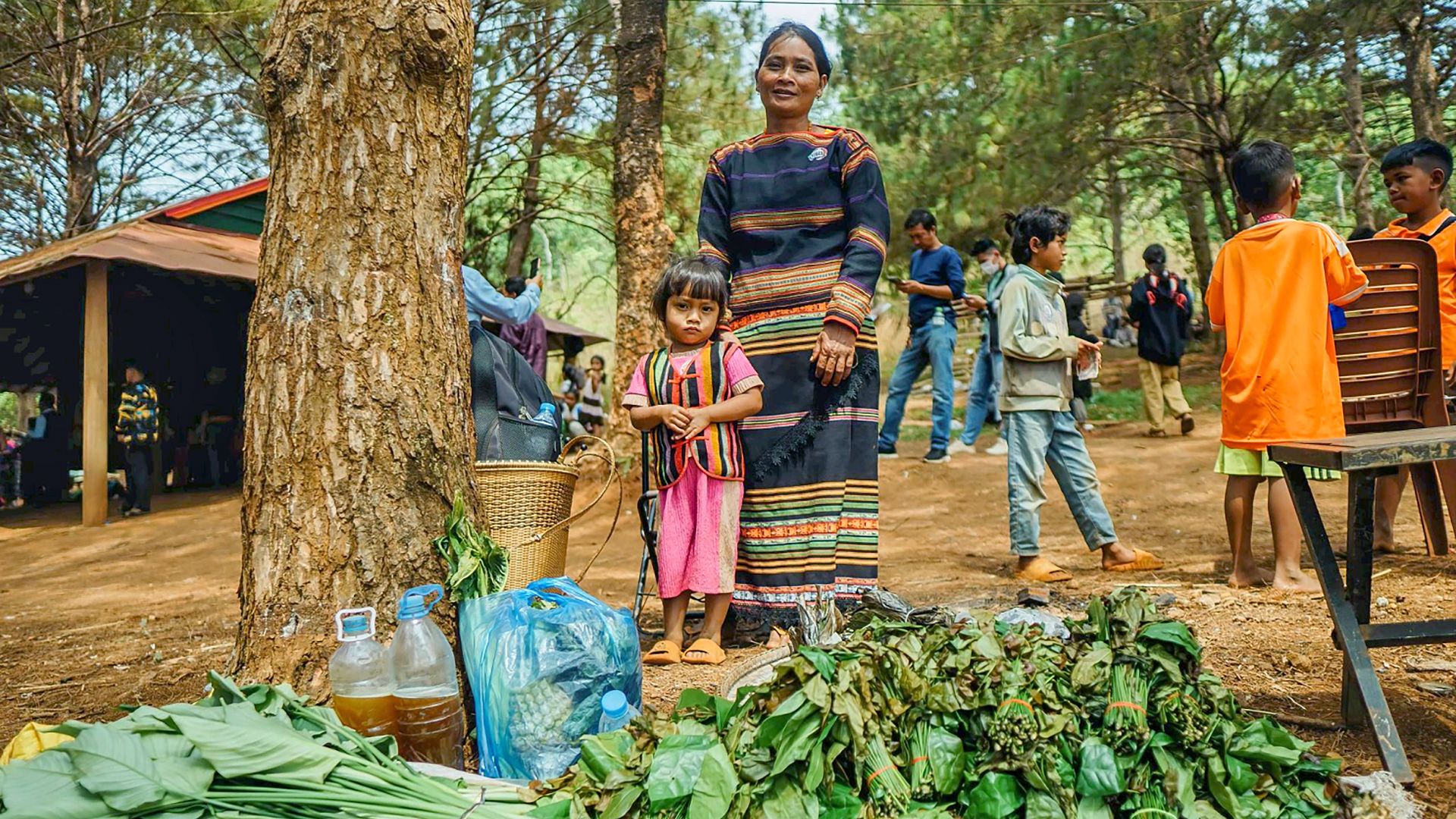
The People-Centered Food Systems (PCFSy) Project is advancing rights-based, inclusive food systems across four countries. In Uganda, IIRR collaborated with CSOs and the Ministry of Agriculture to organize PCFSy clinics to raise awareness among rights holders on human rights and social equity approaches. These clinics helped build stakeholders' capacity to demand amendments in Uganda's National Food and Nutrition Policy by promoting culturally diverse and neglected nutritious foods, food safety, and workers’ rights. In Ethiopia, IIRR organized two learning sessions in Arbaminch, engaging 70 participants from government, civil society, and farmers' groups to address food systems equity and the right to food. Key challenges, including high input costs, poor market access, and limited irrigation, were presented directly to national authorities for action. In Cambodia, IIRR contributed to the national update of the 2030 Food Systems Roadmap and supported the launch of the Third National Strategy for Food Security and Nutrition (2024–2028), promoting governance, accountability, and climate-smart agriculture. At a regional workshop in the Philippines, IIRR also showcased Cambodia’s community-led seed preservation efforts and advanced farmers’ seed rights through the UN Declaration on the Rights of Peasants. In Honduras, the project strengthens indigenous food security, focusing on Lenca women in Central La Paz. Organizations, like Rikolto, OBSAN, SAG, and MAMCEPAZ, are conducting new food security studies, delivering trainings, and aligning efforts with national human rights policies. The Ministry of Human Rights is also embedding the right to food into national human rights monitoring and policy.
3. Lessons learned and future plans
PCFSy’s success highlights the importance of integrating human rights principles into food systems. Key lessons from the project include the importance of actively involving both duty bearers and rights holders in the co-creation of programs and policies; meeting communities where they are by using culturally resonant entry points; and fostering strong collaboration and the exchange of best practices among partner organizations. One key challenge is ensuring that policies translate into concrete, community-level action points, which requires sustained advocacy, capacity-building, and strong accountability mechanisms. Another ongoing challenge is addressing systemic inequities in the access of resources, particularly for marginalized groups such as indigenous women. Moving forward, the consortium is continuously working to implement and further deepen rights-based approaches across their focal areas. The project is also placing greater emphasis on measuring and evaluating progress through rights-based indicators, while strengthening its capacity to inform and influence policy formulation at both national and local levels.