
Promoting production and consumption of traditional grains
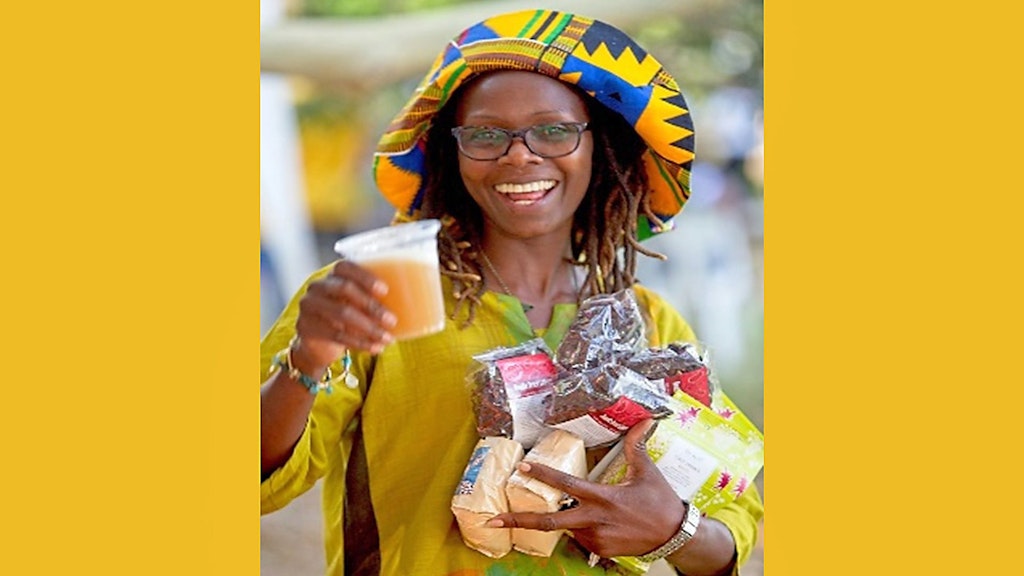
Market and Systems Access Project (MASAP) is being implemented in Zambia and Zimbabwe with funding from the SDC. Good Seed and Food Festivals are one of the interventions being implemented by the project to promote inclusivity and resilience in seed and food systems. The focus crops are sorghum, millet, cowpeas and groundnuts. The festivals create a platform for smallholder farmers and buyers and processors to exchange information on supply and demand of neglected grains. Increased consumption of neglected grains will stimulate increased production and consumption which will in turn enhance household food security, nutrition and dietary diversity. Production of such crops is beneficial to the environment and helps smallholder farmers to cope with the challenges wrought by climate change.
AFS Newsletter - News by
Alex Mugova
Niras Consulting
ALMUG@niras.com | LinkedIn
1. Context and relevance
The main challenge being addressed is the neglect of traditional grains in food systems. This has led to low production, demand and consumption of traditional grains in Zambia and Zimbabwe. The traditional grains being promoted by MASA include sorghum, millet and cowpeas. Good Food and Seed Festivals create a platform for smallholders farmers and buyers and processors to meet and exchange information on supply and demand of these grains. It is anticipated that increased information sharing will lead to increased production and consumption of the grains thereby helping to increase smallholder incomes. In addition, increased consumption will improve household food security, nutrition and dietary diversity. Traditional grains have higher tolerance of drought compared to maize. This means when farmers produce these crops, they become more resilient to the challenges wrought by climate change.
2. Actions and recent progress
The festivals create opportunities for smallholder farmers and commodity buyers and processors to meet and exchange information on supply and demand of traditional grains (sorghum, millet, cowpeas, etc.). They also facilitate the emergence of public and private partnerships in research and development of food products from neglected crops such as traditional grains. In addition, the festivals help to preserve biodiversity and cultural heritage, empower smallholder farmers socially and economically. They help to improve household food security, nutrition and dietary diversity. Finally, they support smallholder farmers to become more resilient to the challenges wrought by climate change.
3. Lessons learned and future plans
The main lesson that has been learnt so far is that shortage of good quality seed is one of the main factors hindering the production of traditional grains in Zambia and Zimbabwe. It is for this reason that MASAP will focus on supporting seed companies interested in the production and distribution of seed of traditional grains. Our ambition is to facilitate the development of seed and market systems in which traditional grains become important in household production, income and food baskets. Building on achievements and lessons learnt in phase 1, MASAP Phase 2 will be officially launched in Harare, Zimbabwe on 18th September 2025. The key speakers at the launch will be Mr. Stefano Berti, Head of Cooperation at the Embassy of Switzerland in Zimbabwe and Professor Obert Jiri, the Permanent Secretary, Ministry of Lands, Agriculture, Fisheries, Water and Rural Development.