Agricultural knowledge and innovation systems are of decisive importance for capacity development and for increasing food security. Read about recommended key resources, projects, the SFRAS and more.
Belt-tightening measures such as the Structural Adjustment Programs of the 80’s and 90’s have led to a reduction of public finances for state run research and extension services in many countries. This left the rural population, who was often already insufficiently served before, without access to relevant knowledge.
In recent years, the international ODA system and stakeholders at country level have started to rediscover the crucial role of agricultural knowledge and innovation systems in rural populations’ capacity development, food security enhancement, income generation and poverty reduction.
It is the role of networks like the Swiss and the Global Forum on Rural Advisory Services (SFRAS and GFRAS) to:
foster evidence-based discussions on adequate policies and approaches for demand-oriented Rural Advisory Services;
provide guidance regarding investment priorities;
define a clear vision for individual and institutional, private and public capacity development;
to facilitate continuous sharing of experiences and learning at local, regional and global levels.
Modernizing Extension and Advisory Services (MEAS) MEAS is a Center of Excellence that works through action-oriented research and outreach efforts to strengthen extension systems in developing countries and ultimately to increase agricultural productivity and reduce rural poverty.
Worldwide Extension Study The Worldwide Extension Study published by GFRAS and partners provides empirical data on the human and financial resources of agricultural extension and advisory systems worldwide.
The New Extensionist Learning Kit This Learning Kit developed by GFRAS and its partners contains 13 modules designed for self-directed, face-to-face, or blended learning. It can be a useful tool for extension staff, managers, lecturers, non-governmental organisations and other training institutions. Short video interviews on the learning kit
Access Agriculture Platform co-financed by SDC showcasing agricultural training videos in local languages.
Projects
Nepal Agricultural Services Development Programme (NASDP) - Nepal SDC South Asia Division The project supports the strengthening of a decentralized and pluralistic extension and research system in Nepal. This shall improve their productivity, income and food security of small farmers. SDC Project Database
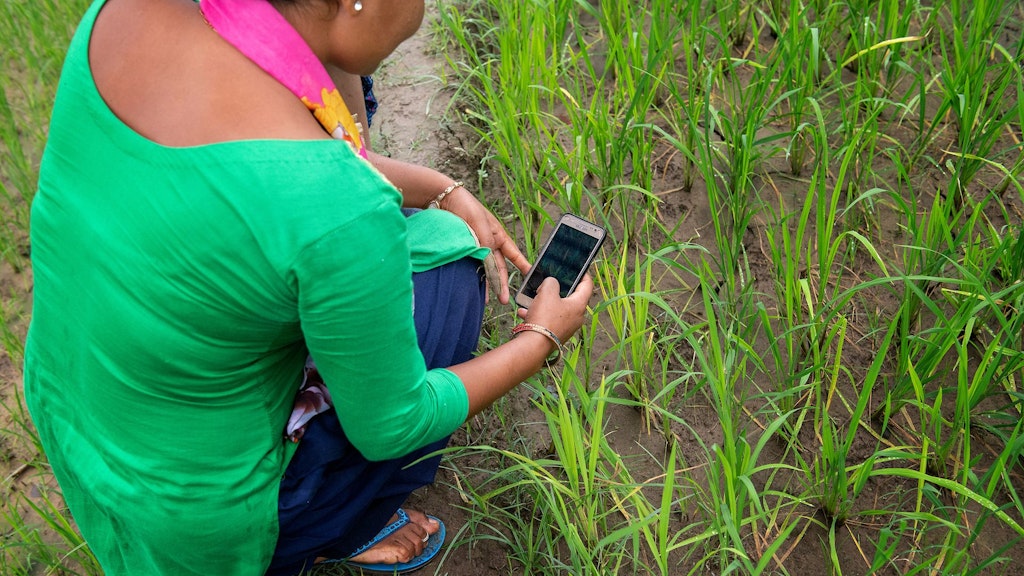
Bangladesh Agricultural and Disaster Insurance Programme (BADIP) - Bangladesh SDC South Asia Division BADIP aims to sustainably increase poor farmers’ resilience by developing the market for agricultural insurance and related extension services. SDC Project Database
Agricultural Services and Livelihood Improvement (ASLI) - Afghanistan SDC South Asia Division The ASLI project aims to improve the livelihoods of poor rural families in the Central Highlands of Afghanistan by strengthening the public extension system at subnational level to enable targeted, demand-driven agricultural service delivery. SDC Project Database
Lao Upland Rural Advisory Service (LURAS) - Laos SDC East Asia Division The Swiss Cooperation in the Mekong Region supports the LURAS project to facilitate an effective demand-driven pluralistic extension service delivery system in Lao PDR. SDC Project Database
Support to the Reform of the Agriculture & Forestry Colleges in Lao PDR (SURAFCO) - Laos SDC East Asia Division SURAFCO Phase III supports quality teaching in all five Agriculture and Forestry Colleges of Laos: college management, needs-based infrastructure, teaching equipment, knowledge sharing and exchanges. This is a key contribution to implement the Reform Strategy towards 2020 aiming at an increased number of qualified agricultural and extension workers. SDC Project Database
Quality apprenticeships for disadvantaged populations - Myanmar SDC East Asia Division The SDC funds apprenticeships for disadvantaged groups in different fields including agriculture. SDC Project Database
Promoting Market Oriented Skills Training in the Great Lakes region (PROMOST) SDC Southern Africa, East and North Africa, Occupied Palestinian Territory Division The program aims to improve the access to quality and market-relevant vocational training for the rural population of the Great Lakes Region. SDC Project Database
Better training to facilitate the integration of youngsters in rural areas into the labour market - Niger SDC West Africa Division The project aims to improve the education and vocational training system in Niger. This shall enable young people to successfully enter the job market which eventually contributes to the socio-economic development of the region and strengthens the food security of the population. SDC Project Database
Vocational skills development in Tunisia - Tunisia SDC Middle East and North Africa Division This SDC programme aims to boost the employability of young Tunisians through training in vocational skills in different professional fields including agriculture. SDC Project Database
Modernising vocational education and training (VET) related to agriculture - Georgia SDC Eurasia Division SDC is helping the Georgian government to develop a more modern VET system that integrates theory and practice and allows a long-term increase in farm productivity and rural incomes. SDC Project Database
Market Opportunities for Livelihood Improvement (MOLI) in Kakheti - Georgia SDC Eurasia Division The project aims to substantially improve the income of target farmers through better access to markets, services and inputs for the dairy and meat value chains. SDC Project Database
Global Forum for Rural Advisory Services (GFRAS) SDC Global Programme Food Security The Global Forum for Rural Advisory Services (GFRAS) is a global network of 16 continental and regional RAS federations currently covering around 130 countries. With SDC’s contribution, GFRAS supports these federations to develop better and more effective RAS at the benefit of millions of smallholders, many of them living in poverty. SDC Project Database
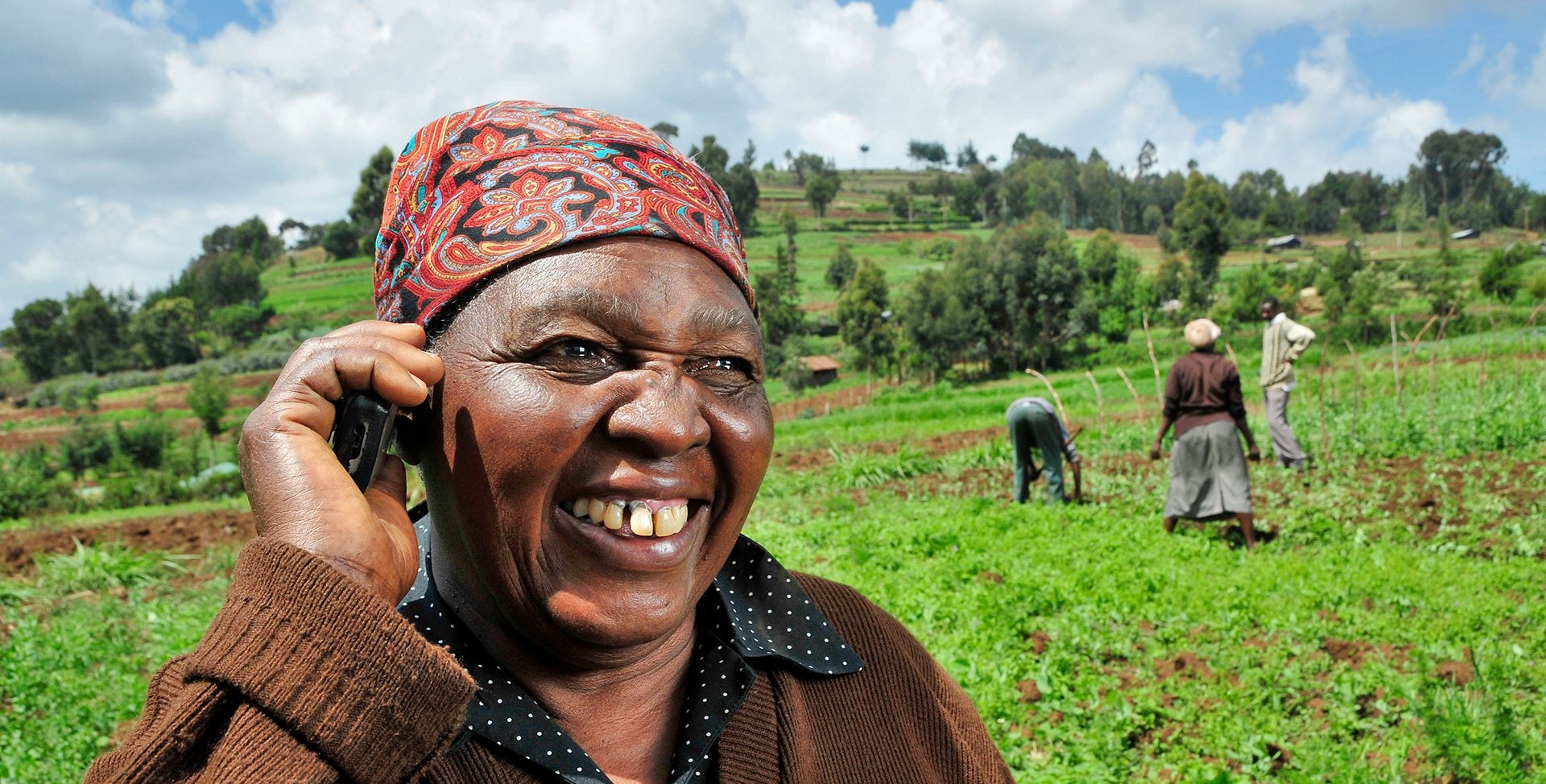
Smallholder farmers boost their incomes thanks to mobile phones SDC Global Programme Food Security Agricultural, financial and advisory services provided via mobile phone and public-private partnerships have the potential to reach millions. SDC supports Agri-Fin Mobile, a provider of agricultural and micro-financed services via mobile phone in Indonesia, Uganda and Zimbabwe. SDC Project Database
Community
Global Forum for Rural Advisory Services (GFRAS)
The mission of GFRAS is to provide advocacy and leadership on pluralistic, demand-driven rural and agricultural advisory services within the global development agenda. GFRAS is co-financed by SDC. more information
Swiss Forum on Rural Advisory Services (SFRAS)
SFRAS is an informal group of experts from Swiss development, research, education and private sector organisations, who are involved in Rural Advisory Services (RAS) in developing countries. more information
GenAI promises many benefits in agriculture. But is it living up to the hype? What can AI systems learn from decades of person-to-person agricultural extension? We talk about extension’s obvious (and less obvious) limitations, what it gets right, and what AI can learn. We conclude that grounding AI in real-world extension practices is the only way to build tools that farmers will use, and trust. The piece is part of the AI for and with Food Systems Research Initiative blog series. The initiative brings together researchers and practitioners across CGIAR and its partners to explore how AI can be designed, governed, and applied responsibly in food systems research and innovation.
21 July 2025
Sulsulah's Story of Resilience in Afghanistan
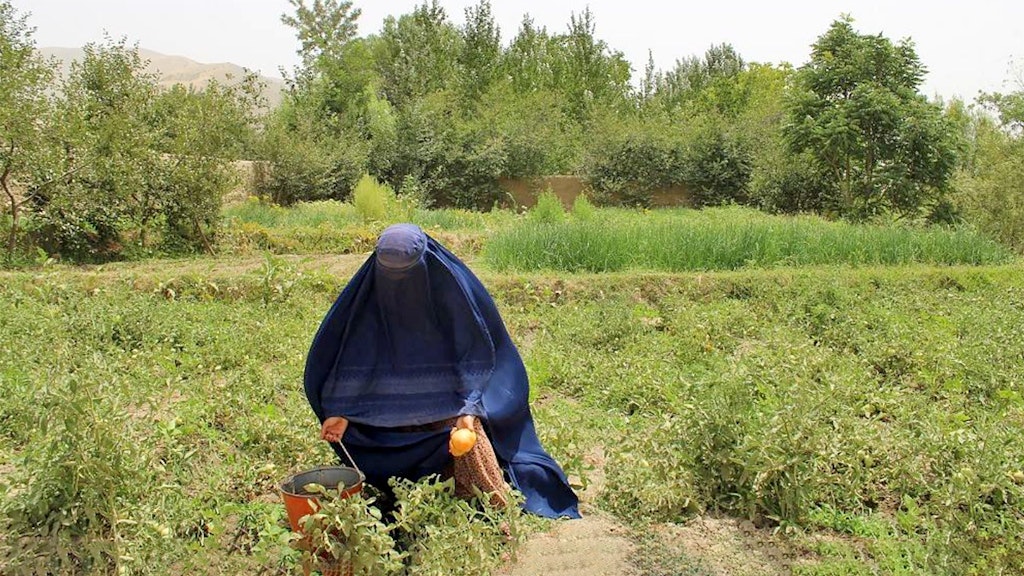
Sulsulah, a 34-year-old woman from a village in Takhar province, Afghanistan is the sole breadwinner for her four children. With limited resources, she struggled to meet basic needs. Her situation worsened with the ban on girls' education, affecting her 16-year-old daughter. Through an agriculture project supported by Swiss Agency for Development and Cooperation and implemented by Aga Khan Foundation. Sulsulah received training and support to establish a kitchen garden. She gained skills, income, and social recognition. Selling vegetables earned, she earned Afghani 30,000 (USD 430), enabling her to buy household essentials and expand her business. She also bought milking goats, earning additional income. Sulsulah is now hopeful and eager to help other women succeed.
21 July 2025
Scaling Agroecology with GFRAS in Madagascar
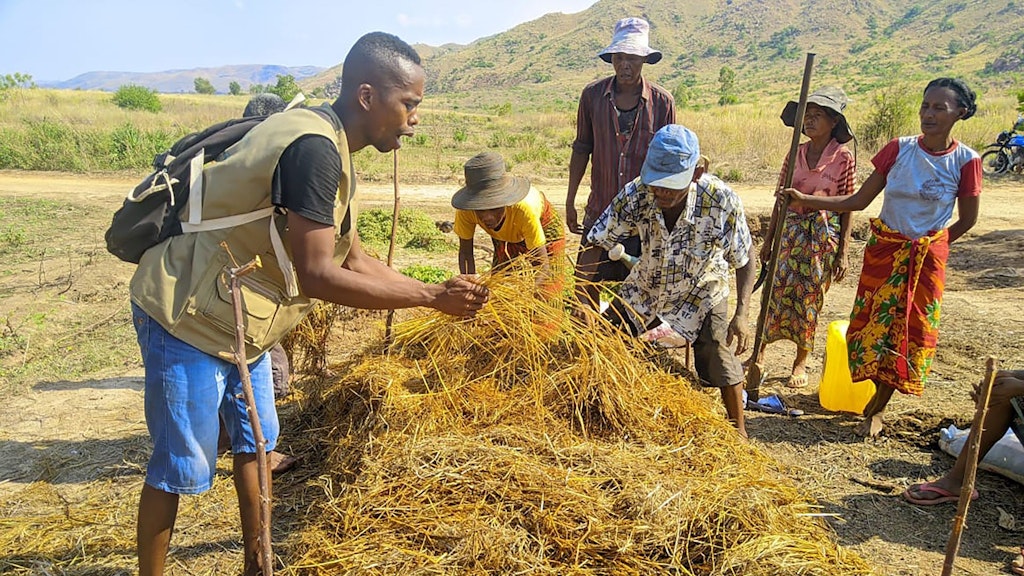
In March 2025, GFRAS and partners gathered in Morondava, Madagascar for a national sharing workshop under the GP-SAEP project. The event showcased early, tangible results of agroecological practices introduced through 60 Farmer Field Schools across three districts. Local farmers reported increased yields, lower input costs, and reduced losses, all within the first growing cycle. With support from Rural Advisory Service facilitators, communities are already replicating sustainable techniques on their own farms. Contributions from GFRAS and AFAAS experts highlighted the strategic importance of participatory advisory services in driving food system transformation. The workshop confirmed how farmer-led innovation, backed by local and international collaboration, can accelerate agroecological change and strengthen smallholder resilience.
21 July 2025
Swiss Forum on Rural Advisory Services: Its Legacy
30 April 2025 - What started in 2010 as a gathering of like-minded experts turned into a 15-year journey of co-creation, debate, and mutual learning. As the Swiss Forum on Rural Advisory Services (SFRAS) officially wraps up, we look back at its key contributions — and forward to how climate change, privatization, and digitalization are reshaping rural advisory services. It’s not just a farewell; it’s a call to reimagine how we collaborate and share knowledge in agriculture and beyond.
7 April 2025
Leveraging RAS for Improved Nutrition in Indonesia
Rural Advisory Services (RAS) are key to tackling malnutrition in rural areas. GFRAS networks are involved in a Community of Practice (CoP) identifying case studies, promoting nutrition-sensitive agriculture, leveraging digital tools and multi-stakeholder engagement. Learn about a case from Indonesia about RAS can transform nutrition outcomes in the region and beyond.
11 December 2024
Agroecological extension approaches in Africa
Discover how the ATREA project, led by AFAAS with GIZ and GFRAS support, is supporting agroecological extension services in Benin, Ethiopia, Kenya, and Madagascar. By analysing participatory approaches like Farmer Field Schools and innovative digital tools, this initiative offers insights into empowering farmers, scaling sustainable practices, and fostering partnerships. The upcoming synthesis report, set for release shortly, provides actionable lessons for Rural Advisory Services (RAS) to bridge knowledge gaps and drive agroecological transitions across Africa.
11 December 2024
20 years Swiss support to agricultural extension in Laos
Eighty percent of Laos' population relies on agriculture for their livelihoods. For over 20 years, the Swiss Agency for Development and Cooperation, in partnership with Helvetas, has supported Laos in making agriculture more effective and sustainable. Through the LEAP and LURAS projects, they have strengthened rural advisory services, focusing on poverty reduction, climate change adaptation, and the Green Extension Approach. These efforts have improved public extension services, empowering farmers with knowledge, market access, and sustainable farming practices.
18 September 2024
Extension Services Innovation in the Arab Region
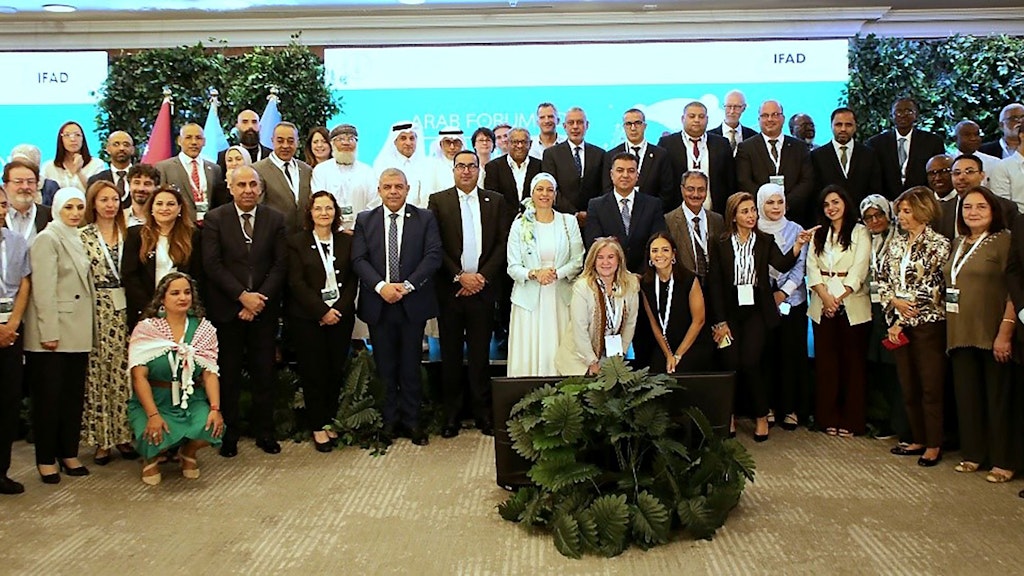
The GFRAS network is expanding to the Arab Region with strong support from local governments, FAO, and IFAD, advancing advisory services. The Arab Forum for Rural Advisory Services (AFRAS) held its first annual meeting in Amman, with 17 countries working to enhance service delivery for farmers, boost food security, and promote stability. Previously absent from the global GFRAS network, the Arab Region is now integrating into the global space, aligning international expertise with local needs, contributing to rural transformation and achieving the SDGs.
18 September 2024
Farmer Innovation Groups co-create knowledge in Armenia
Rural Advisory Services don’t exist anymore in Armenia. With innovation groups based on the interactive innovation model, farmers co-create with partners solutions to their needs and boost their productivity. Agricultural college teachers could facilitate these groups if a shift in the job profile is made. This would also improve their competencies in providing up-to-date VET training to their apprentices. Such a form of mutual support and further development is often just as effective as a RAS, but much cheaper. Of course, this also requires farmers who understand their trade and can continue to build on it.
7 June 2024
AI’s potential in enhancing rural advisory services
Join the global conversation on Artificial Intelligence in Rural Advisory Services (RAS) with GFRAS. Following up on a webinar that explored AI’s transformative potential in agriculture, GFRAS has established a task force to explore AI integration in RAS. We are now inviting stakeholders in agrifood systems to collaborate. Participate in this initiative, share experiences, and contribute to a Paper Series aimed at enhancing RAS, engaging with experts to harness AI for rural community advancement.