
Safe and Nutritious Food for City Dwellers
Ensuring food security in urban Bangladesh is a growing challenge. Experts at a recent workshop emphasized the need for stronger policies, better public procurement, and community engagement to guarantee safe and nutritious food for city dwellers. In collaboration with key stakeholders, the NICE Project is driving efforts in Rangpur and Dinajpur to improve urban nutrition. While progress is being made, implementation gaps remain. Can Bangladesh create healthier cities through strategic reforms? Discover the key insights and recommendations from the discussion.
AFS Newsletter - News by

NICE Project, Sustainable Agriculture Foundation Bangladesh
Hafsa.khan@susagfoundation.org l LinkedIn
Food security remains a pressing issue in urban Bangladesh, where rapid urbanization and population growth have strained food systems. Experts and stakeholders have emphasized the need for evidence-based policies to improve urban food systems, strengthen public procurement mechanisms, and ensure sustainable access to safe and nutritious food. These discussions were at the forefront of the workshop titled “Strengthening Urban Food Policies for Healthy Cities in Bangladesh,” organized by the Local Government Division (LGD) in collaboration with the Nutrition in City Ecosystems (NICE) Project of the Sustainable Agriculture Foundation Bangladesh (SAF Bangladesh).
During the workshop, Mohammad Saiful Islam Mazomder, Joint Secretary, Policy Support Branch, LGD, noted that an urban policy framework has been developed, addressing various aspects of food systems. However, significant gaps in implementation remain. Key initiatives are City-centric social safety net programs, the Development of a roadmap for lower- and lower-middle-class urban residents, and lastly, the Formation of city- and ward-level coordination committees. These committees hold monthly meetings, allowing residents to voice concerns and propose improvements.
Swe Min Zaw, Deputy Secretary, Policy Support Branch, LGD, emphasized the critical need to combat food adulteration and raise public awareness. According to him, a city’s vitality is determined by its infrastructure and the quality and safety of the food available. Despite existing regulations, challenges persist due to limited resources and enforcement capacity.
Keynote speaker Hamidul H Khan, CEO of HK Consulting, highlighted major challenges within the urban food system, emphasizing that food insecurity and limited access to safe water continue to threaten the well-being of city dwellers. He also pointed out the rising prevalence of noncommunicable diseases (NCDs) such as diabetes, cardiovascular diseases, and hypertension, which are largely driven by poor dietary habits and lifestyle changes. Additionally, he stressed the lack of nutritious food options and the impact of rural-to-urban migration, which further strains urban food supply chains and increases demand for affordable, healthy food.
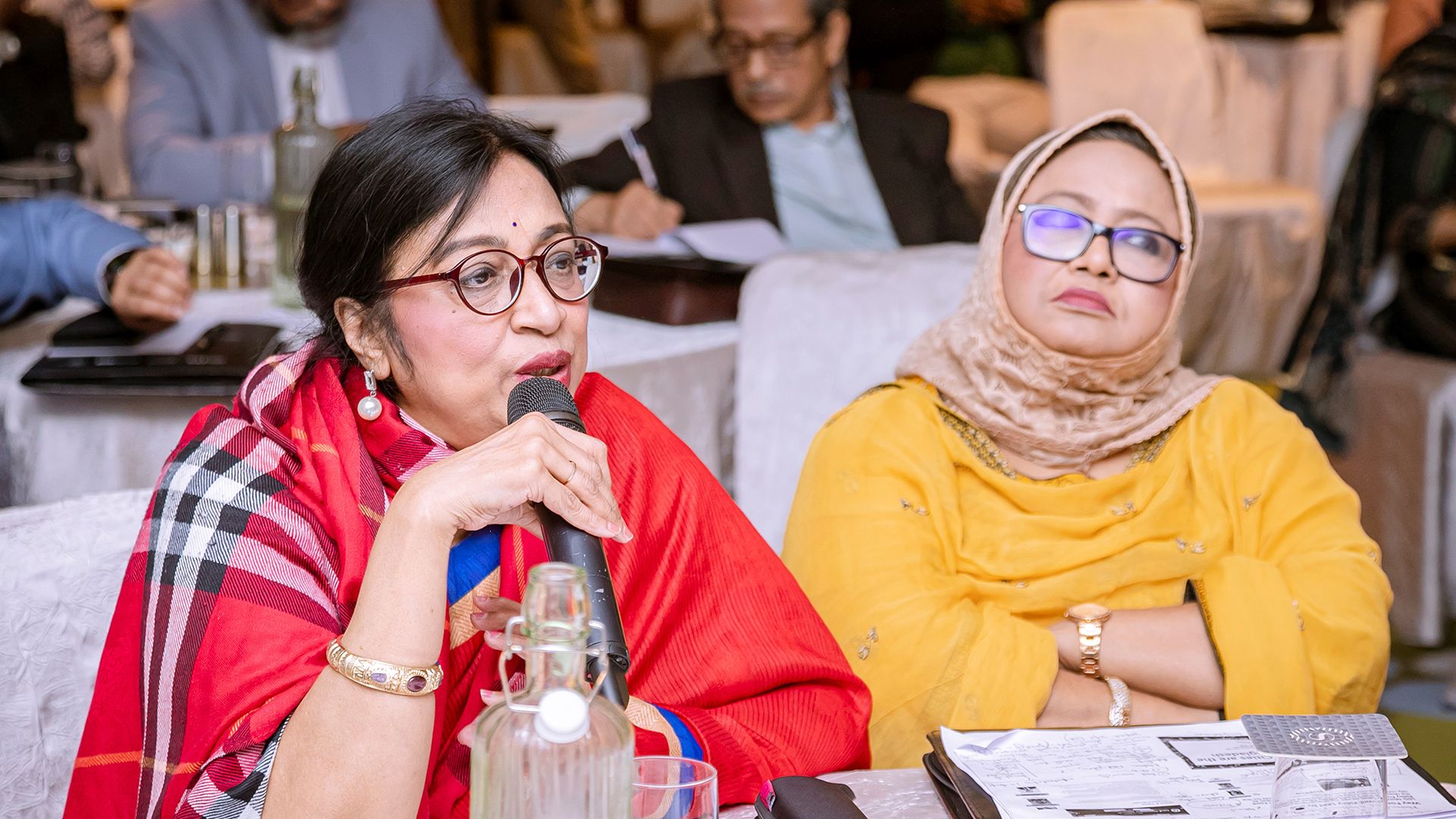
Following the keynote speech, a panel discussion took place on the topic “The Role of Public Policy in Urban Health.” Experts from various sectors engaged in a thought-provoking dialogue on how effective governance, strategic policymaking, and community engagement can enhance urban health outcomes. The discussion underscored the need for well-defined policies that promote food safety, improve nutrition, and address health disparities. Panelists also highlighted the importance of integrating health considerations into urban planning, ensuring sustainable food systems, and fostering cross-sector collaboration to create healthier cities for all. Dr. Farzana Akter Dorin, National Professional Officer, WHO, highlighted the importance of the Healthy City Initiative, which promotes governance, community engagement, and health policies. Dr. Khaleda Islam, Director, Institute of Nutrition and Food Science, Dhaka University, pointed out that rainwater harvesting could be a sustainable solution for clean drinking water in urban areas. She also stressed the need for government-led policies to promote healthy food consumption. Md. Farhad Zamil, Executive Director of Sustainable Agriculture Foundation Bangladesh emphasized how NICE project is working on safe food, nutrition, and health in urban areas, as well as the significance of policy and effective implementation, along with the role of city dwellers and stakeholders.
The discussions at the workshop highlighted that, despite ongoing efforts to enhance food security, policy implementation gaps continue to hinder progress. Experts stressed the urgent need for strengthening urban food policies with clear and actionable implementation strategies. They also emphasized the importance of enhancing public awareness about food safety and nutrition to encourage healthier choices among city dwellers. Additionally, the panel called for integrating health considerations into urban planning and expanding government-led food security initiatives, ensuring that vulnerable populations have consistent access to safe and nutritious food. Ensuring sustainable access to safe and nutritious food for urban residents requires multi-sectoral collaboration, strong governance, and community engagement.
With ongoing initiatives like the NICE Project and strategic policy reforms, Bangladesh can work toward building healthier, more resilient urban food systems. The workshop was a step forward in addressing urban food security challenges, but sustained efforts are necessary to achieve lasting change. The Local Government Division (LGD) has cheered Nutrition in City Ecosystems (NICE) Project through its policy-level activities in the future. This includes integrating urban food security and nutrition into municipal policies, strengthening governance frameworks, and advocating for resource allocation to sustain NICE interventions. LGD will also work on regulatory measures to enhance food safety, promote urban agriculture, and facilitate multi-sectoral collaboration to ensure a resilient and nutrition-sensitive urban food system.
Read more: