
Scaling Agroecology with GFRAS in Madagascar
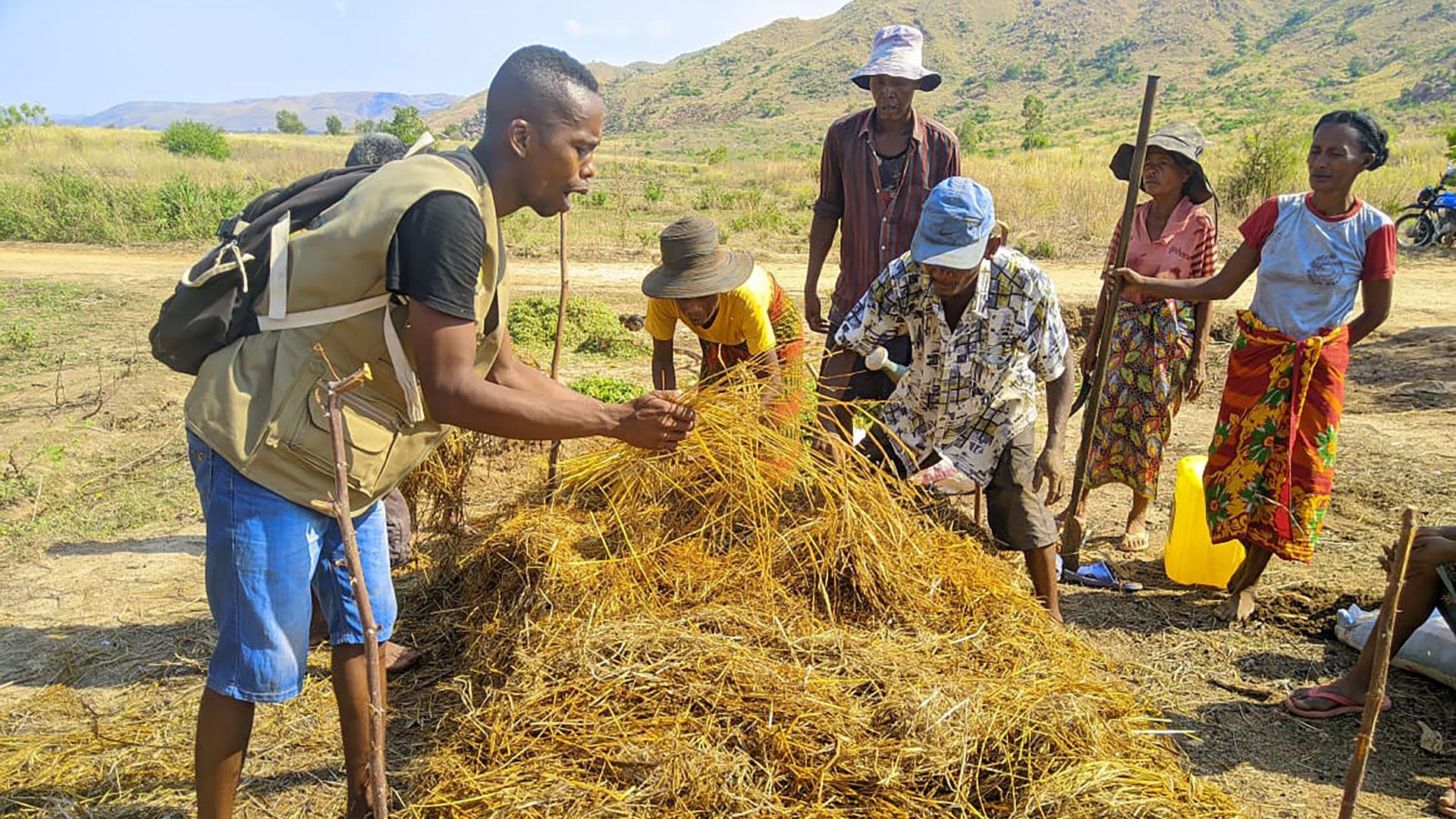
In March 2025, GFRAS and partners gathered in Morondava, Madagascar for a national sharing workshop under the GP-SAEP project. The event showcased early, tangible results of agroecological practices introduced through 60 Farmer Field Schools across three districts. Local farmers reported increased yields, lower input costs, and reduced losses, all within the first growing cycle. With support from Rural Advisory Service facilitators, communities are already replicating sustainable techniques on their own farms. Contributions from GFRAS and AFAAS experts highlighted the strategic importance of participatory advisory services in driving food system transformation. The workshop confirmed how farmer-led innovation, backed by local and international collaboration, can accelerate agroecological change and strengthen smallholder resilience.
AFS Newsletter - News by

Global Forum for Rural Advisory Services
ingrid.oliveira@g-fras.org | LinkedIn
1. Context and relevance
The Global Programme for Small-scale Agroecology Producers and Sustainable Food Systems Transformation (GP-SAEP) is pivotal in addressing critical challenges and opportunities within the agricultural sector. A key achievement of the program is the establishment of 60 Farmer Field Schools (FFS), which act as essential hubs for learning and adopting agroecological practices. These schools have been instrumental in achieving increased agricultural yields, reducing input costs, lowering post-harvest losses, and fostering a growing preference for agroecology over conventional farming methods. The initiative is particularly focused on building climate resilience, which is increasingly important as farmers face unpredictable weather patterns and climate-related challenges. By supporting smallholder farmers, GP-SAEP empowers those who are often most vulnerable to economic and environmental changes. The reduction of input costs through agroecological practices not only makes farming more affordable but also reduces dependency on chemical inputs, promoting a more sustainable approach to agriculture. Furthermore, GP-SAEP seises opportunities in organic production, which aligns with the growing global demand for organic products and can open new market avenues for farmers. The initiative also emphasises knowledge sharing and policy advocacy, ensuring that successful practices and innovations are disseminated widely and supported by favorable policies. By aligning with global priorities such as the Sustainable Development Goals (SDGs), climate change mitigation and adaptation, and biodiversity conservation, GP-SAEP plays a crucial role in promoting sustainable agriculture.
2. Actions and recent progress
Community engagement and knowledge sharing are central to GP-SAEP. Workshops and field visits facilitate the exchange of best practices among farmers and stakeholders. The National Sharing Workshop in Madagascar brought together over 80 participants, showcasing successful case studies and fostering collaboration. Stakeholders, including local farmers, institutions like GFRAS and AFAAS, and policymakers, play crucial roles. Farmers actively participate in FFS and field experiments, gaining empowerment through sustainable practices. Institutions provide expertise and resources, while policymakers help create supportive policies for agroecological transitions. Rice farmers in key districts have improved yields and economic stability through agroecological methods. Field visits have allowed stakeholders to observe and replicate successful techniques, further demonstrating the initiative's effectiveness in promoting sustainable and resilient farming practices.
3. Lessons learned and future plans
These schools have fostered a shift towards agroecological practices, enhancing climate resilience and promoting sustainable farming. Community engagement through workshops and field visits has facilitated knowledge sharing and collaboration, empowering farmers to adopt and replicate successful techniques. However, the initiative has also faced challenges. One of the main obstacles is the initial resistance to change from conventional to agroecological practices. Farmers often require substantial evidence and support to transition, which demands continuous education and demonstration of benefits. Additionally, limited access to resources and funding can hinder the scalability of the initiative, making it essential to secure ongoing support from institutions and policymakers. Key lessons learned include the importance of community involvement and the need for tailored, locally relevant solutions. The success of FFS highlights the value of hands-on learning and peer-to-peer knowledge exchange. Furthermore, the initiative has underscored the necessity of strong partnerships with local institutions and governments to create an enabling environment for sustainable agriculture. Moving forward, the next steps for GP-SAEP involve expanding the network of FFS and enhancing their impact through continued training and support. Goals include increasing the adoption of agroecological practices, improving food security, and strengthening climate resilience in farming communities.