
School meals for healthy and resilient generation
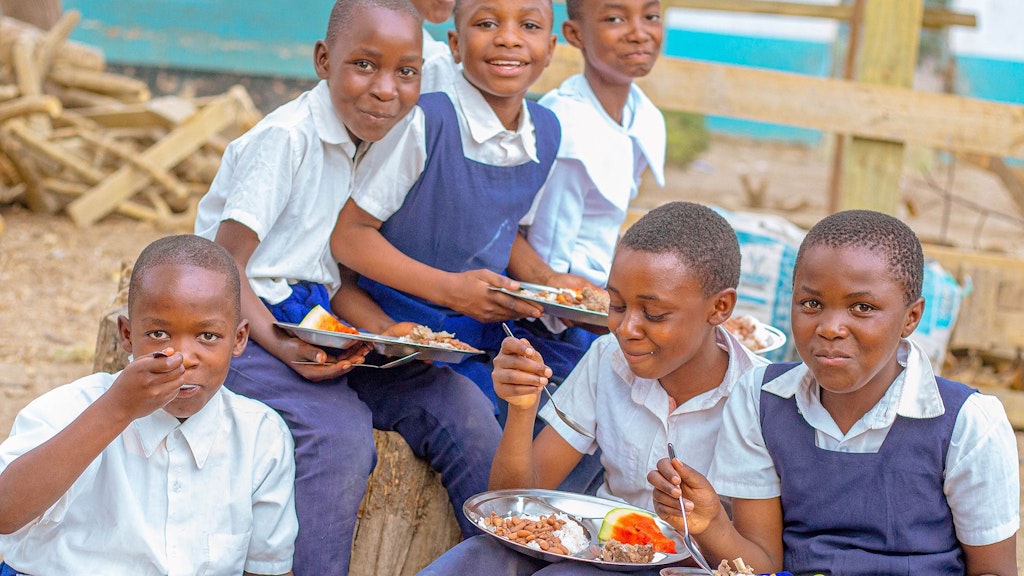
Despite being a food basket of Tanzania, Mbeya City faces high rates of child malnutrition, with 31% of children under five stunted. In response, the City Council, with HELVETAS through IC4N project, is revolutionizing school feeding. The program now reaches more than 121,000 children across 122 public schools, integrating locally sourced meals, parent contributions, school gardens, and student-led nutrition clubs. Early results are promising: meals with greater diversity, rising nutrition awareness, and better school attendance and concentration. Beyond improving health, this model builds stronger farmer linkages, reduces healthcare costs, and promotes climate-smart agriculture. By linking nutrition, education, and sustainability, Mbeya City is proving that school meals can power systemic change and nurture a healthier, more resilient generation.
AFS Newsletter - Article by

Despite its agricultural abundance, Mbeya City in Tanzania’s Southern Highlands continues to face high levels of malnutrition. According to the 2022 Tanzania Demographic and Health Survey (TDHS), 31% of children under five suffer from chronic malnutrition (stunting). This challenge is largely driven by limited dietary diversity and low nutritional awareness.
To address the issue, the City Council, in partnership with HELVETAS through the Inclusive Cities for Nutrition (IC4N) project, is pioneering an inclusive school feeding program that is transforming how children eat and learn.
Currently, the program reaches over 121,000 children across 122 public schools, integrating nutrition education, community participation, and sustainable food production into daily routines.
Key Features of the Model
- Local sourcing: Meals are prepared with diverse, locally grown foods, improving diets and strengthening farmer linkages.
- Community ownership: Over 70% of parents contribute food, ensuring sustainability and reducing reliance on external inputs.
- School gardens as classrooms: More than 122 gardens serve as living laboratories for sustainable, climate smart agriculture and food culture.
- Nutrition clubs: Students lead peer-to-peer learning on healthy eating, reinforcing lifelong habits.
Evidence of Impact
Monitoring and evaluation data show encouraging results:
- There is an increase in schools serving meals with three or more food groups since 2023.
- Improved nutrition literacy among students and parents, with children requesting vegetables at home and starting family gardens.
- Schools reported better attendance and classroom concentration, which is attributed to consistent, nutritious meals.
Building Sustainable, Climate Resilient Food Systems
Beyond immediate health benefits, Mbeya’s model strengthens the city’s food system socially, economically, and environmentally. Local procurement supports farmers, healthier children reduce long-term healthcare costs, and gardening activities promote sustainable practices such as composting and crop diversification.
By aligning with national nutrition guidelines (NMNAP II) while adapting to local realities, Mbeya City is demonstrating how urban school feeding programs can evolve into platforms for systemic change empowering children, families, and communities to champion healthier diets and sustainable food systems – thus building overall resilience.