
Transforming Zimbabwe’s Food System Through Seed and Food Festivals
Zimbabwe faces a nutrition crisis related to food insecurity and poor consumption behaviour. To address this, local organisations, supported by SDC, are championing indigenous, climate-resilient crops through seed and food festivals. These events highlight traditional foods' nutritional and environmental benefits, offering a platform for smallholder farmers and food producers. The 2024 National Good Food and Seed Festival held on 14th September in Harare showcased Zimbabwe’s diverse, resilient, local foods, aiming to transform the nation's food system.
AFS Newsletter - News by


Zimbabwe is facing serious challenges when it comes to nutrition. Child stunting rates have increased from 23% in 2020 to 26%, and only 16% of children under five have diets that meet minimal diversity. Additionally, only 10% of these children receive an acceptable diet. Iron deficiency anaemia affects nearly 29% of women, and a significant number of women and men struggle with weight issues. Over a quarter of adolescent women and more than half of adult women are overweight, with 27% of women and 7.3% of men being obese. Poor dietary habits are contributing to an increase in non-communicable diseases like diabetes and high blood pressure, which are affecting a growing number of adults in Zimbabwe. These issues are largely due to a low intake of vegetables and legumes and a high consumption of sugar, salt, oil, and highly processed foods.
In addition to these health issues, Zimbabwe is also experiencing growing food insecurity. This is due to factors like environmental degradation, poor land use, and climate change. Even though the country has access to climate-resilient crops such as pearl millet, finger millet, sorghum, cowpeas, and roundnuts, many Zimbabweans prefer to grow and eat maize, a crop that is not well-suited to the country's arid climate. Wheat, which requires irrigation to grow, is also becoming more popular, especially in urban areas.
Promoting Climate-Resilient Indigenous Foods
To tackle these issues, a comprehensive approach is needed to promote the consumption of local, nutritious, and resilient foods. This approach should include policy changes that create attractive markets for these products, support for farmers in developing better seed varieties and easier processing methods, and the creation of products that appeal to younger, urban populations. It's also important to address the burden of meal preparation on women, who often resort to unhealthy, imported processed foods due to time constraints and the high cost of traditional foods.
Over the past decade, there have been promising developments in Zimbabwe's food system. The National Agriculture Policy Framework (2018−2030) has emphasized the importance of reviving the production of traditional grains and legumes, diversifying crops, and using sustainable land practices. The Ministry of Health and the Food and Nutrition Council have also revitalized committees focused on improving community and household nutrition. Additionally, a growing movement of farmer groups, community organizations, and NGOs are promoting agroecology, farmer-managed seed systems, and the marketing of traditional crops. As a result, traditional food and drink products are becoming more available in supermarkets and restaurants.
The Role of Seed and Food Festivals
One successful strategy for promoting local, nutritious, and climate-resilient foods has been the organization of seed and food festivals. Since 2013, these festivals have been held at both the national and district levels in Zimbabwe, bringing together NGOs, individuals, and private sector representatives. These festivals aim to raise awareness about indigenous and local foods, improve food consumption behaviours, and strengthen production systems and markets.
The Seed and Knowledge Initiative (SKI), which is funded by the Swiss Agency for Development and Cooperation (SDC), has been supporting these festivals for many years. SKI works with smallholder farmers in southern Africa to improve seed, food, and nutritional security through farmer-led seed systems, increased crop diversity, and the revival of local knowledge. Another SDC-funded project, the Markets and Seeds Access Project (MASAP), is working to strengthen seed and commodity value chains for crops like sorghum, millet, cowpeas, and groundnuts. The organizers of the festivals, including Bio-Innovation Zimbabwe (BIZ) and the Participatory Ecological Land Use Management (PELUM) Programme Zimbabwe, have conducted studies to assess the impact and sustainability of these events. The studies have shown that both district and national festivals are valuable in raising awareness about the benefits of indigenous foods. Participants have also suggested improvements, such as better organization, clearer goals, increased funding, and more effective publicity. MASAP is funding the implementation of some of these recommendations.
The 2024 National Good Food and Seed Festival
The Harare Good Seed and Food Festival, now in its twelfth year, is a major event that attracts thousands of visitors from both urban and rural areas, as well as from across East and Southern Africa. The festival provides smallholder farmers and food producers with an opportunity to showcase their products and engage with the market. This year's festival, themed «Celebrating the Diversity and Resilience of Zimbabwe’s Foods,» took place on September 13-14 at the Harare Botanical Gardens.
On September 13, the festival focused on market promotion and the national seed fair, bringing together buyers, producers, manufacturers, and retailers to network. Farmers from across Zimbabwe showcased, exchanged, and sold a variety of climate-resilient seed varieties, and discussions were held on seed policies, biodiversity, and climate change issues.
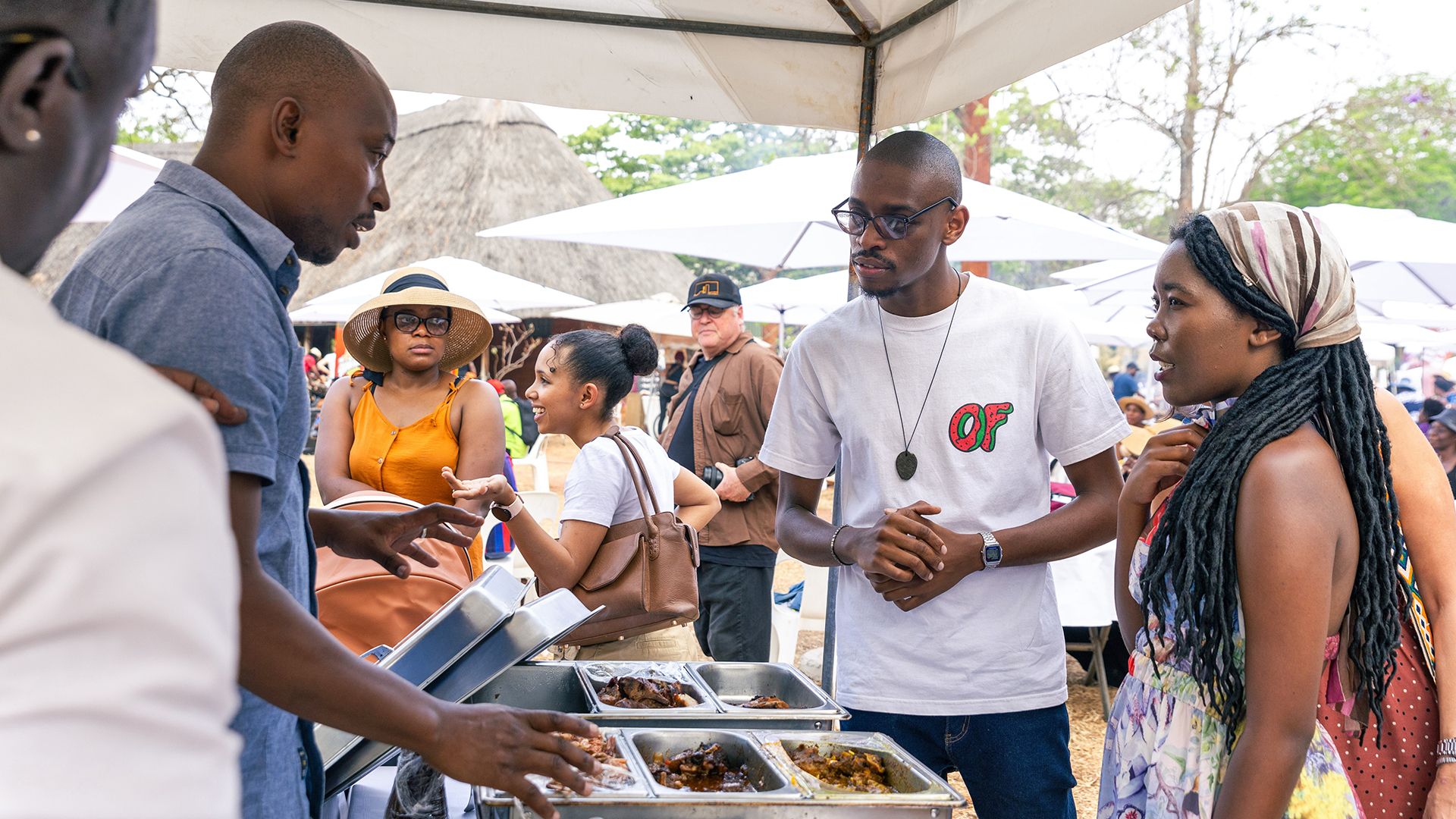
On September 14, the festival celebrated Zimbabwe’s food diversity with stalls offering a wide range of local produce, products, and seeds, including grains, legumes, indigenous fruits and vegetables, herbs and spices, teas, traditional medicinal plant products, nuts and nut butters, honey, insects and dried meat, preserves, and cosmetics. Other stalls showcased appropriate technology, small livestock, and locally adapted seed varieties. There was also a food court featuring local and international dishes made with Zimbabwean ingredients, cooking demonstrations, a wellness corner with health screenings and dietary advice, and activities promoting indigenous products and exercise. The festival also featured live music and engaging activities for children and youth.