
Sulsulah's Story of Resilience in Afghanistan
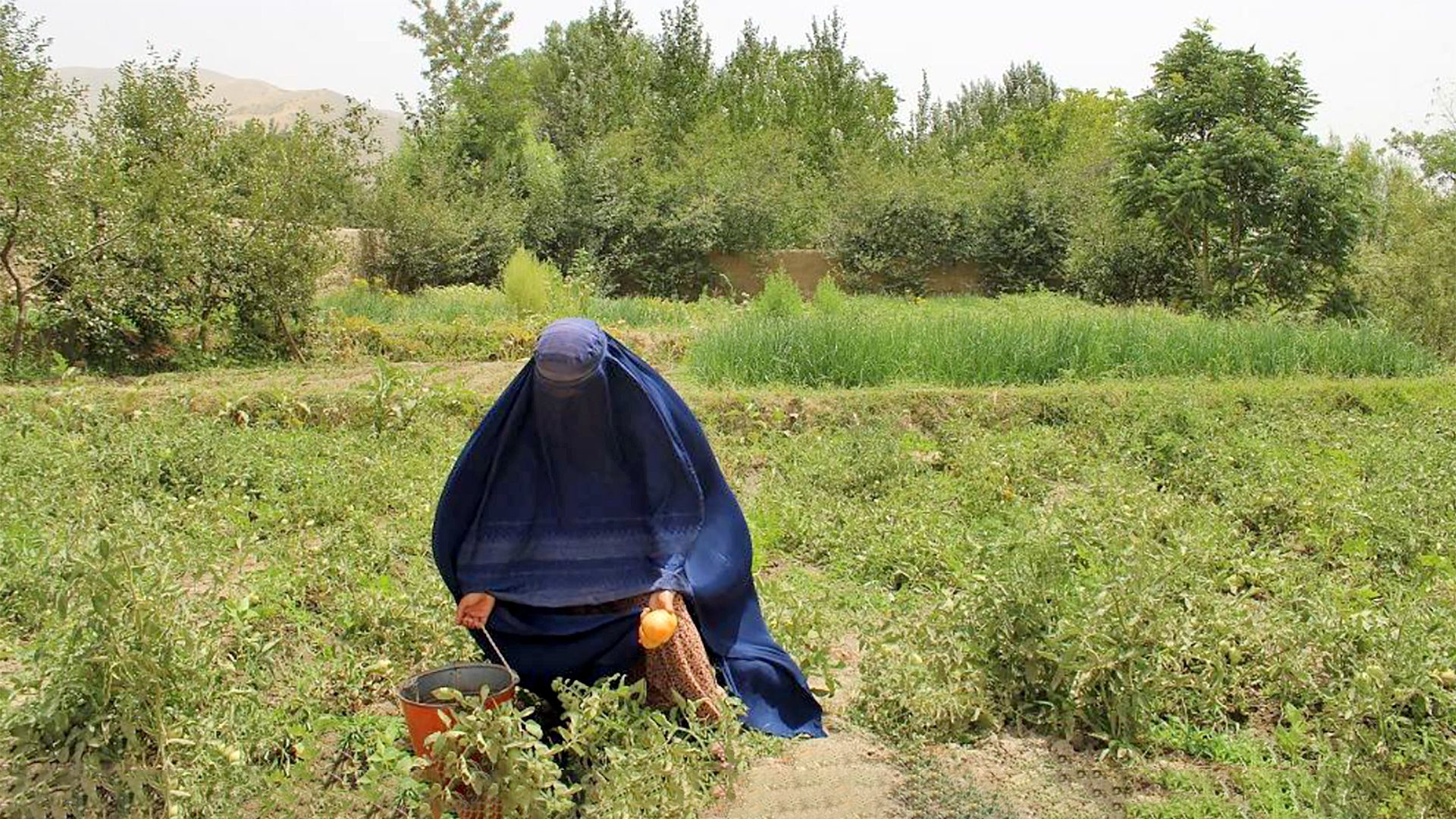
Sulsulah, a 34-year-old woman from a village in Takhar province, Afghanistan is the sole breadwinner for her four children. With limited resources, she struggled to meet basic needs. Her situation worsened with the ban on girls' education, affecting her 16-year-old daughter. Through an agriculture project supported by Swiss Agency for Development and Cooperation and implemented by Aga Khan Foundation. Sulsulah received training and support to establish a kitchen garden. She gained skills, income, and social recognition. Selling vegetables earned, she earned Afghani 30,000 (USD 430), enabling her to buy household essentials and expand her business. She also bought milking goats, earning additional income. Sulsulah is now hopeful and eager to help other women succeed.
AFS Newsletter - News by
1. Context and relevance
The initiative addresses rural challenges in Afghanistan by empowering women like Sulsulah through kitchen gardening and livestock support, promoting food security and climate resilience in line with global agricultural priorities.
2. Actions and recent progress
Key activities include training women in rural Afghanistan on kitchen gardening, forming Common Interest Groups, and providing agricultural inputs like seeds and livestock. In Sulsulah’s case, she earned AFN 30,000 from selling vegetables, bought milking goats, and gained social recognition. Local women are actively involved and benefit through improved income, food security, and skills.
3. Lessons learned and future plans
The main success is improved livelihoods for rural women like Sulsulah through kitchen gardening and livestock support. A key challenge is limited opportunities for women due to restrictions. The lesson learned is that targeted support and community engagement can create lasting impact. The next step is to scale up the initiative to reach more vulnerable women across rural Afghanistan.