As a general reference, it is important to be aware of the work of the World Overview of Conservation Approaches and Technologies, WOCAT – which serves as one of the primary resources on SLM in different contexts and at different levels.
WOCAT was launched in 1992 to serve as a global knowledge network on how to apply SLM – providing a space for sharing and replicating good practices that address land degradation, climate change, and biodiversity loss. The WOCAT Global SLM Database is officially recognised by the UNCCD as the primary recommended global database for good practices in SLM. It can be searched by technology, approach, country, and institutions involved – as well as by individual specialists who may be contacted. Geographical information also provides a mapping of land degradation and progress towards land degradation neutrality. While participation by country varies in extent and recentness, it is worthwhile checking what experiences for your given country or region are already documented in the database, and the lessons that have been learned. WOCAT has received long-standing support from SDC.
Understanding the primary stakeholders in the land
As discussed so far, most human food is produced on land, and this tends to be land for which there are other competing uses. Projects intervening to support food security, increase productivity, and improve livelihoods must first understand who is producing that food, and what relationship they have with the land.
Small-holder farmers
Very often, the target population in SDC food systems interventions is “small-holder farmers” or – even more broadly – “local communities”. What comprises a “small” holding depends greatly on the local context. Generally, it is a type of farm managed with family labour, that is, women, men and sometimes children – perhaps hiring in or sharing labour demands with other households during peak periods. Such small-scale production has often been considered inefficient. Thus, in many countries there have been policies encouraging farm mergers for economies of scale through mechanisation and more intensive, high input cropping regimes, often as monocultures. Such thinking is increasingly questioned with the greater focus on agroecology and mixed cropping systems. Small scale can also be highly productive, although usually this requires more intensive labour inputs.
Small-holder farmers are often assumed to own the land that they farm and to be free to make decisions over what they grow. However, this is not necessarily the case. Land tenure can be a complex issue, with differing de jure and de facto realities; clarifying the situation at the outset is crucial.
According to the FAO, 90% of the 570 million farms worldwide are managed by an individual or a family and rely primarily on family labour. Small-holder production may be primarily subsistence (food crops) or commercially focused (cash crops – cocoa and coffee being especially common small-holder crops), or a mix of both with livestock integrated into the system. The latter system is perhaps most common, with the livestock serving as a source of dung and draught power for cropping as well as potentially meat, milk and hide or wool. Especially where land holdings are too small to yield adequate food for the year, household income may be enhanced by off-farm work, whether part-time, seasonal, or longer term in nature.
Land cultivated by small-holders is quite commonly owned by others – wealthy landlords, companies, or the State. These owners may intervene on the choice of crop and cropping regime, especially if perennial crops are involved. In addition, gender differences are important. It tends to be men who own the land (at least de facto if not de jure), with women having few (if any) rights. Yet it is often women who are most interested in food crops and healthy nutrition for the family; men tend to have more interest in commercial crops. Agricultural as well as food processing tasks are also often gender specific. For example, men are more likely to be responsible for ploughing and field maintenance whilst women are more likely to conduct sowing, planting out, and weeding.
Forest-dependent communities
In some SDC focal countries, there remain populations of people whose livelihoods and food security are closely linked to forest resources. They may well be ethnic minorities or indigenous peoples who have benefitted little from development interventions and are relatively isolated. For them, forests serve as a source of food, often enhancing dietary diversity and providing food security during difficult periods of the year. As in the case of cropland, it is important to understand the tenure regime of forest lands. Although most of the world’s forests are State owned, there is much evidence to show that management by communities is the most sustainable form of forest management. Supporting the transfer of use rights to local communities can therefore support SLM and ultimately have relevance for food systems.
Livestock owners
Pastoralism remains a way of life and an important cultural heritage for certain communities in many SDC focal countries, perhaps most obviously in the Horn of Africa but also in mountainous regions where transhumance is still practiced, such as in the Tien Shan and the Himalayas. Pastoralists tend to live in very harsh environments and are often marginalised and discriminated. At the same time, growing regional and global demands for meat represent an incentive for sedentary farmers to focus on livestock rearing as a livelihood option. Often this entails converting land to improved pastures and/or stall feeding with separately grown animal feed. Farmers may also choose to focus either on rearing or on fattening animals. Apart from the meat value chain – and sometimes linked to it but sometimes not – is the milk value chain.
Investigate who owns the land. Generally, it is easier to support SLM interventions amongst people who have (at least) long-term use rights over the land. Supporting land tenure security, especially for women, can therefore be an effective SLM intervention (see also section 2.4). Nevertheless, it is important to consider tenure as a bundle or rights that do not necessarily equate a certificate on a piece of paper; it is therefore important to fully understand local tenure systems – including the gender dynamics within them - before intervening.
Assess the existing livelihood systems and traditional practices. How can the proposed interventions build on these? For example, if many small holder farmers undertake regular seasonal out-migration to supplement their income, it may be inappropriate to introduce a labour-intensive practice for this season, even if it would enhance sustainability. In pastoralist communities, there are often well-established traditional systems; can they be incorporated into the intervention in a manner that enhances sustainability and stakeholder acceptance? In general, it is wise to build on indigenous knowledge, adding elements such as gender equity if appropriate.
Leave no-one behind. Consider the implications of proposed interventions for the most disadvantaged groups – landless or forced labourers, women, children. Will the intervention provide more, or fewer, opportunities for decent lives and reduced drudgery? Consider what measures can be put in place to ensure no child labour is used. The latter may be particularly relevant in the production of crops such as coffee, cocoa and tea.
Support the organisation of primary stakeholders. SLM support is easier to organise if channelled through farmer groups, cooperatives, or other interest-based groups. SDC and other donor agencies have much experience in promoting farmer-to-farmer exchange through Farmer Field Schools, field visits and (more recently) digital platforms. The latter can be particularly successful in attracting young people into farming, with a focus on sustainable practices. Similar systems can be used with pastoralists as a means of sharing even where participants are spread over long distances.
Consider support for livestock-based value chains carefully. Livestock contribute to global heating both through methane production (notably by ruminants) and through forest conversion for animal feed. At the same time, their dung can play an important role in maintaining soil fertility. In high consumption, high income countries, the need to reduce meat and dairy consumption is recognised (if not necessarily implemented). In SDC focal countries, support provided to livestock value chains varies should aim to balance nutritional needs, agroecological demands, social equity and climate considerations.
Ensure that ecosystem changes are adequately captured in monitoring. Often monitoring systems focus on productivity, but changes in biodiversity and other ecosystem functions should also be monitored, ideally engaging those concerned. This builds ownership and helps to ensure that the management regime is sustainable.
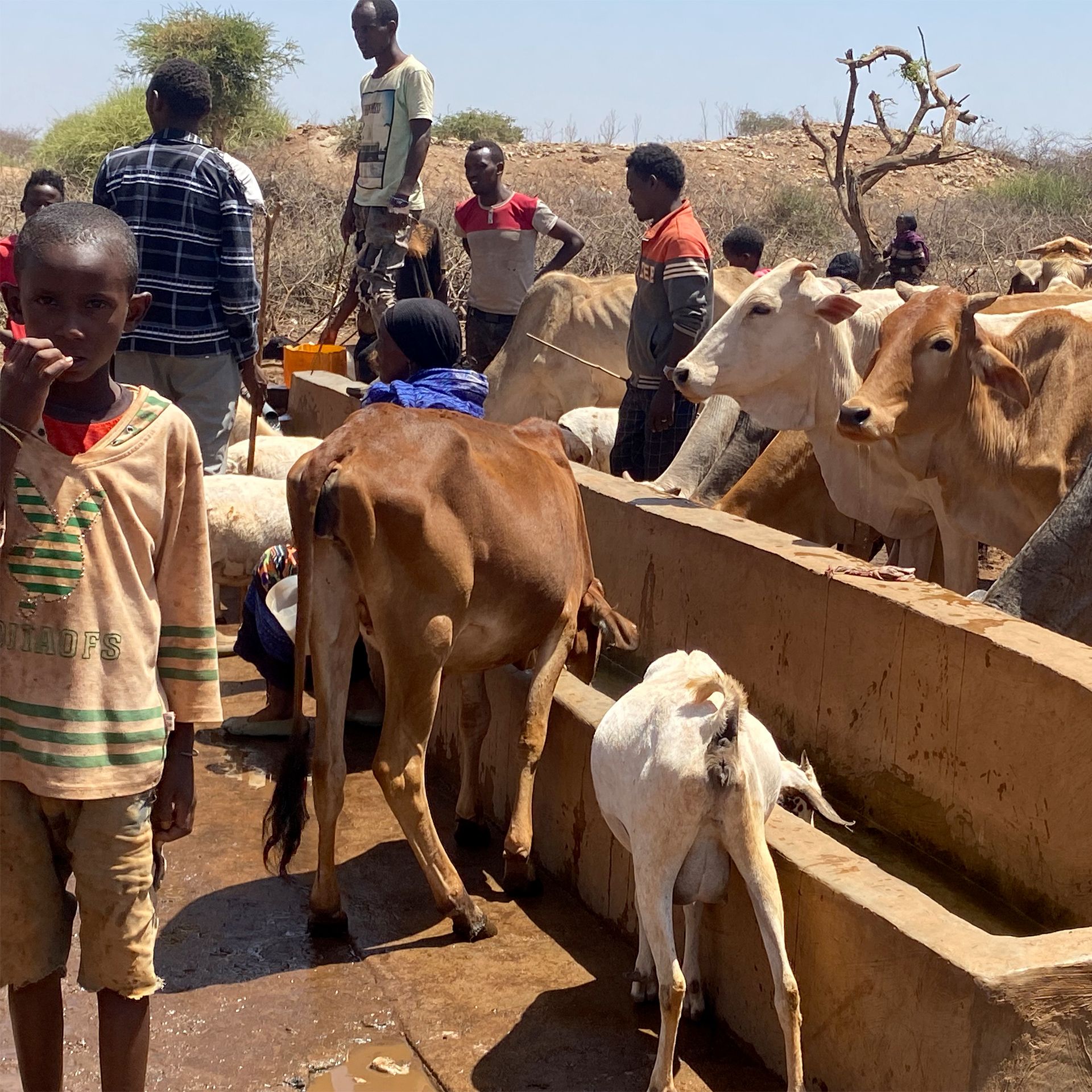
The SDC Natural Resource Management (NRM) Borana Project in Southern Ethiopia intervened in a manner that sought to combine the traditional knowledge of Borana pastoralists with the development objectives of the government administration. Traditional water management and pasture management was enhanced with modern technology and inputs, placing focus on greater equity. Gender issues were also especially considered. In 2023, the project was incorporated into a Regional Livestock Management Project for the Horn of East Africa.
Smallholder farmers
FAO has a Family Farming Knowledge Platform which serves to gather “digitised quality information on family farming from all over the world”
This brief, although dated, paper outlines challenges faced by smallholder farmers that are still pertinent today: Smallholder Farmers and Enabling their access to Sustainable Markets. 2016. Commentary Report. State of Sustainability Initiatives (SSI).
IIED has a long history of working on pastoralism and a range of materials can be found on its website.
FAO has a knowledge hub on pastoralists that is regularly updated. It serves both as a knowledge resource and as a network for pastoralist communities.
“Landscape approaches recognise the interconnections between people and nature in places where productive land uses – such as agriculture, livestock and mining – compete with environmental and biodiversity goals” Landscapesfuture.org
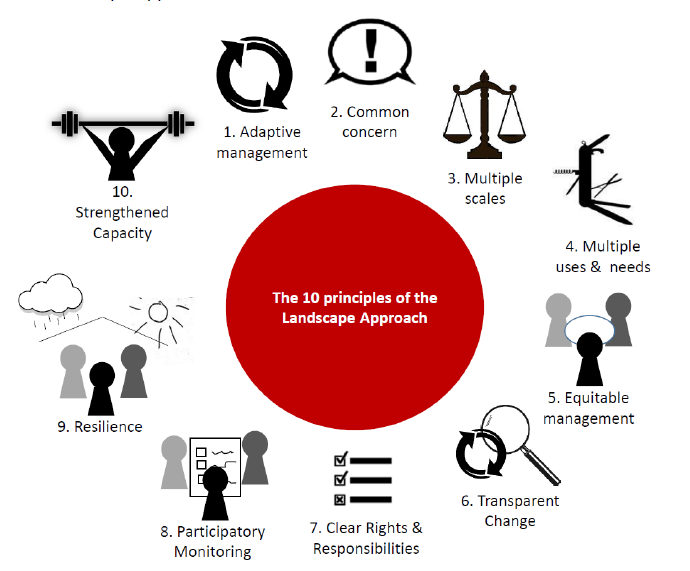
The first conceptual development an approach to address the multiple functions and multiple users of land is generally attributed to researchers at CIFOR, who in 2013 set out ten principles of a landscape approach that are now widely accepted (see Figure 4). CIFOR-ICRAF is continuing such work with its current focus on governing multifunctional landscapes. The importance of adopting a landscape approach is, however, not limited to research; it is increasingly being supported by private sector actors in addition to development agencies (for example UNEP and GIZ), multiple research institutions and international NGOs. Within Switzerland, a landscape approach to land management is also supported by the federal authority.
Figure 4: The 10 principles of a landscape approach
A landscape approach is based on the precept that specific land areas cannot be seen in isolation from others, and that land use planning is therefore necessary. Perhaps the most obvious example, as long recognised in the related approach of watershed management, is that water availability downstream is inevitably influenced by upstream uses and management regimes. If the land is well vegetated by forests or other plant cover and/or terraced or managed in a way that allows for the percolation of rain, surface water runoff will likely be limited and water levels in streams and rivers well regulated. The opposite is also true, potentially leading to flash floods during rains or very low water levels in the dry season. There are obvious links to food production, whether it be for rainfed agriculture (which requires adequate soil moisture), for irrigated crops, for livestock, or indeed for raising fish in ponds.
In many arid and semi-arid parts of the world, watershed management entails not only ensuring vegetative cover on upper slopes, but also establishing a range of earthen and other structures to trap any rainfall and ensure effective storage or percolation. In India, for example, SDC provided long-standing support for watershed in the States of Maharashtra and Karnataka in the 1990s and early 2000s. This boosted agricultural productivity on lands that received well below 750mm rainfall/annum and thus enhanced food security. In Ethiopia, the government has a national watershed programme, now framed as the integrated water resources management programme.
Today, most countries of the world have detailed national land use plans, supported with digitalised geographical information systems. What can be more challenging is the translation of such plans to the more local context, in a participatory manner. This may be a task in which donors can intervene.
In Lao PDR, village land use planning is a requirement of the national government; furthermore, there are government approved guidelines on how to do this in a participatory manner. However, the responsible authorities, notably the District Agriculture and Forest Office, rarely have the means to conduct such a resource-intensive task. It is therefore generally only done if external funds are available. Yet village land use planning is an important activity to ensure local understanding and agreement about which lands should be allocated to cropping, to livestock grazing or to forests in a manner that reduces the likelihood of conflicts and promotes SLM overall.
Key to achieving effective stakeholder engagement in a landscape approach is finding a common interest. In the case of villagers managing a territory that they all need, the common interest may simply be the sustainable management of the resource and community solidarity. In other cases, the motivation may be different. In the SECO-supported cocoa landscape project in Madagascar, the motivation of all stakeholders is to continue to produce quality cocoa in the face of climate change. In the former SDC Nature Conservation Project (NCP) in North Macedonia, the common motivation amongst stakeholders was not nature conservation per se, but the halting of rural depopulation. The solution foreseen - generating local livelihood opportunities - included the sustainable production of food for both local consumption and sale. In the case of nomadic pastoralists in West Africa who seasonally traverse areas of arable farmland, a common interest can be the grazing of stubble left after harvest – with the livestock returning their dung to fertilise the fields.
Do No Harm. Any interventions to support SLM must consider who are the key stakeholders. Who might be winners and who might be losers in a landscape intervention? What common interest can be found to connect all concerned and reduce any risk of conflict?
Operate at multiple scales: The boundary of a landscape is often difficult to define, although it is commonly viewed in terms of a watershed. This in turn may be at different scales. It is generally useful to view stakeholders in this perspective – identifying, for example, the local, regional, and national actors and aiming to include them all in an appropriate manner (see also below "Facilitating an appropriate policy and institutional framework")
Ensure clear rights and responsibilities: Multi-stakeholder agreements rely on rules being established and agreed by all. In some cases of SLM, this can even involve a financial exchange if it is agreed, for example, that certain communities will manage an area of forest in a sustainable manner, preventing loss from felling or fire. Such cases of payment for ecosystem services can form an important component of SLM.
Build in participatory monitoring: Engaging all stakeholders in monitoring progress is an important means of ensuring their continued engagement and “ownership” in the intervention. It also allows for the joint identification of any challenges or problems, and the defining of responses together.
Investigate the climate projections for the area (up to at least to 2040). SDC uses the tool CEDRIG to ensure that climate and disaster resilience is built into project design and implementation. This includes gathering relevant background data, which is increasingly available online in a user-friendly form (eg see Home - Climate Information Portal). Against such projections, how viable is the current system; what adaptations may be needed in future? In farming systems, this is particularly important to consider when supporting infrastructural improvements (field bunds, terracing, small irrigation systems, etc) or establishing perennial crops such as coffee or cocoa. In the case of livestock, it may be necessary to consider supporting more drought tolerant animals (eg. camels rather than cattle, or different breeds of a given animal) or reducing the carrying capacity (stocking density).
Consider the implications forwater management. This is linked to climate projections, but specific interventions may reduce or exacerbate trends in access to water. Some crops are particularly “thirsty”; for example, avocado trees established in semi-arid areas may cause a lowering of the water table. In the case of rangeland management, the use of water points during dry periods must be adequately considered to allow for human and animal use and avoid over-trampling and damage (as outlined above in the Borana NRM project example under "Understanding the primary stakeholders in the land").
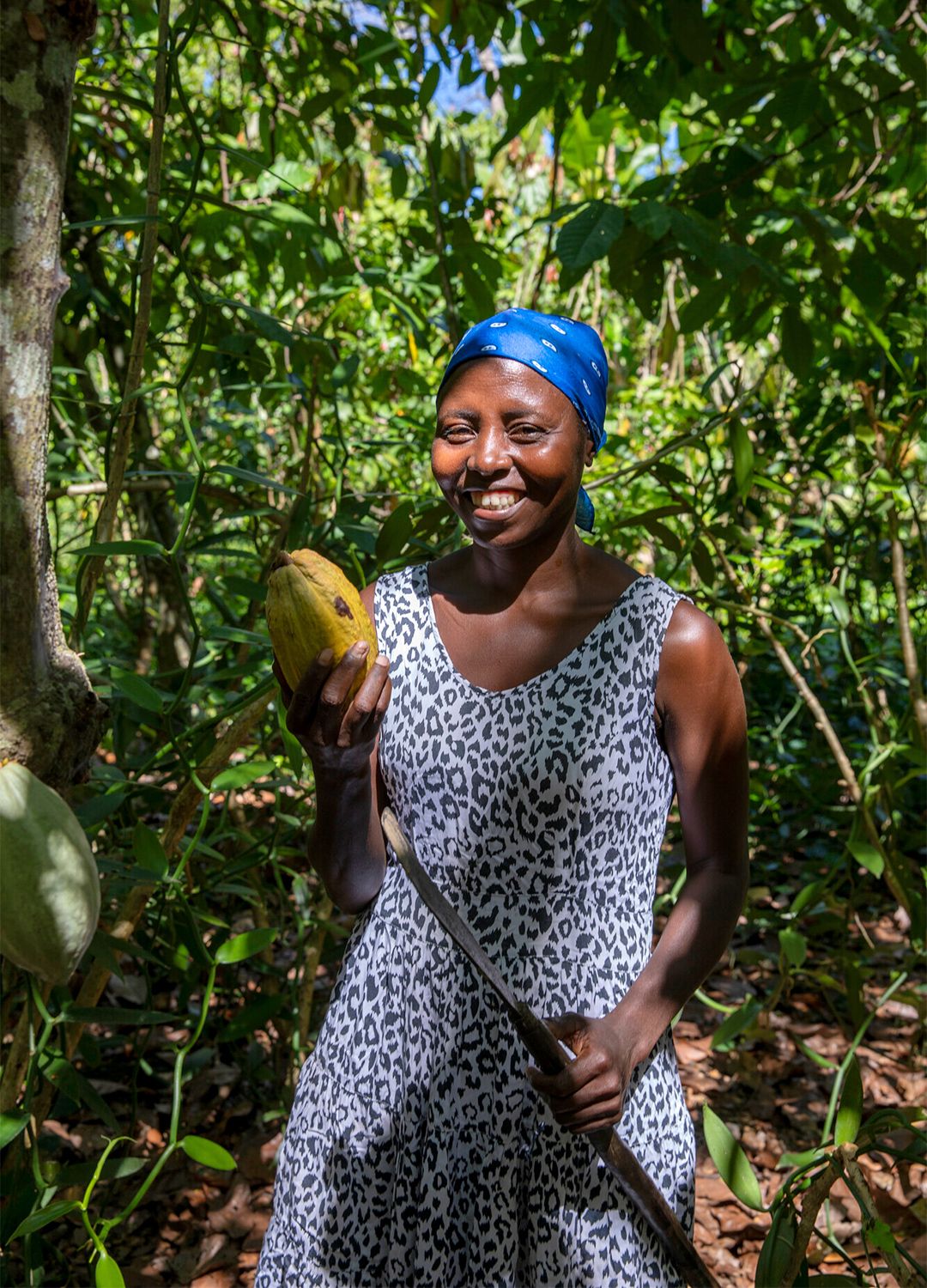
Climate Resilient Cocoa Landscapes in Madagascar Whilst less than 1% of global cocoa supplies are produced in Madagascar, the area is known for its exceptionally high-quality cocoa, which is of interest for a niche market in craft chocolate. Yet supply is threatened by deforestation, soil erosion and overall land degradation, exacerbated by climate change. This landscape project in the Sambirano valley of North-West Madagascar works with a broad coalition of private sector partners, cocoa cooperatives, regional authorities, and local communiti es with facilitation by Helvetas. The project intervenes in land use planning and facilitating the securing of land tenure for cocoa farmers, at the same time as promoting agroforestry and improved cookstoves. These activities are supported by the Swiss Platform for Sustainable Cocoa (SWISSCO), which is co-financed by the State Secretariat for Economic Affairs (SECO).
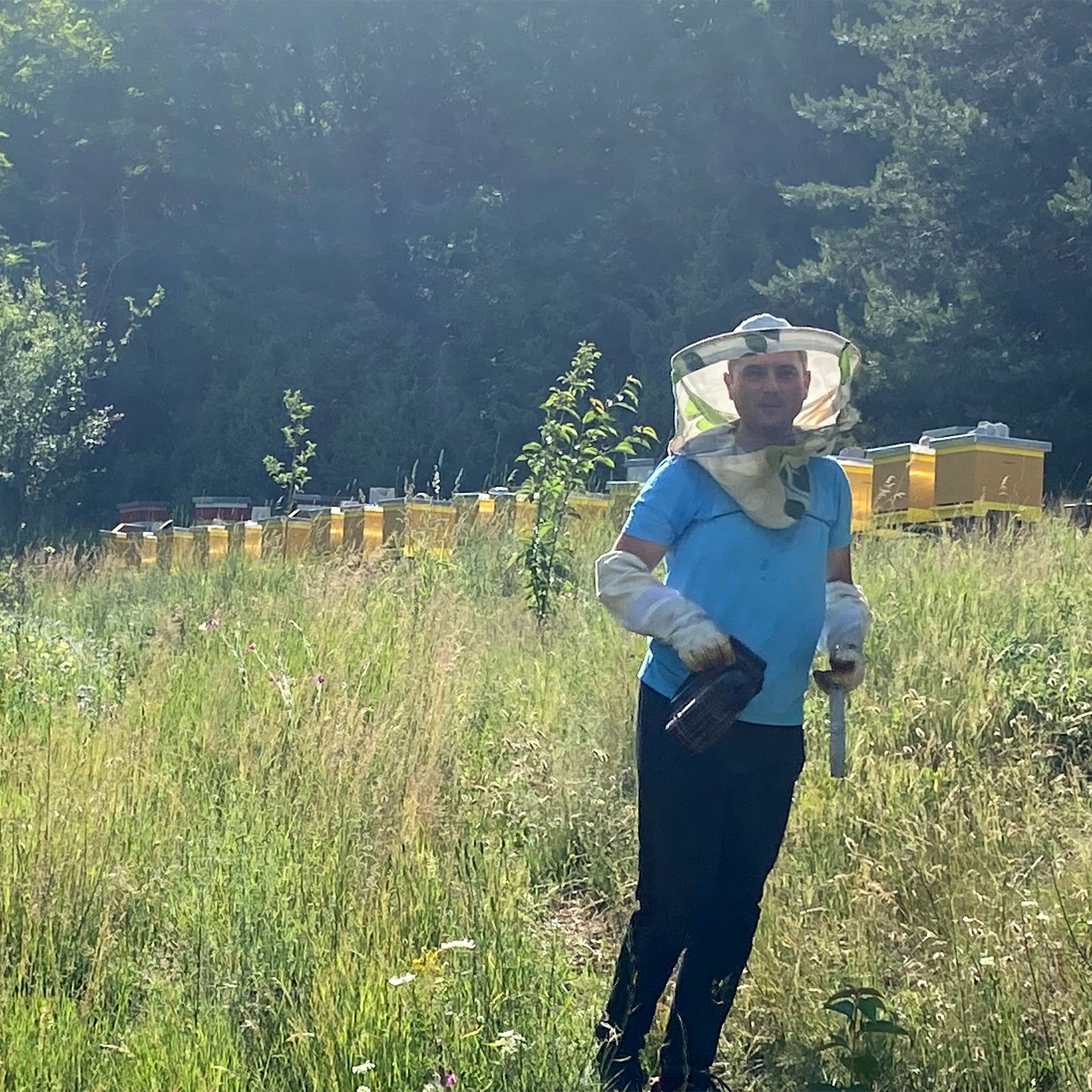
The Nature Conservation Project (NCP), North Macedonia This SDC project operated in three phases, from 2012 to 2023. With the goal of conserving the diverse flora and fauna of the Breglanica watershed in North Macedonia, it adopted a landscape approach that brought together all stakeholders. The detailed participatory planning allowed for the conservation of the most important areas for biodiversity at the same time as actively creating opportunities for local people to gain an economic livelihood, enjoy pleasant scenery and preserve their cultural heritage. One project activity was support for healthy, “nature-friendly” food production, with a focus on the value chains of rice and honey. The landscape approach adopted is detailed here.
CIFOR and the European Union have a dedicated website Landscapes for our Future which documents support to 22 Integrated Land Management (ILM) projects across 19 countries in the Global South.
Water management
Journal Rural 21 maintains a focus on water with regular articles on policy and practice.
Addressing technical aspects
This section outlines key aspects in maintaining or restoring agricultural lands, forests and pastures within a healthy ecosystem.
Agricultural land
There is widespread concern amongst scientists and practitioners over the global state of soil health. Where land has been under intensive food production, the soil is increasingly hard, lacking the structure needed for good drainage and microbial activity, and denuded of organic matter. Whilst the use of agro-chemicals – fertilisers, insecticides, fungicides and herbicides – cannot be completely halted without jeopardising food security, it can be made much more limited and targeted. The following practices are all part of food production under SLM.
Improving soil structure through reduced mechanisation using no-till or low-till technologies; the application of bio-charcoal; sowing nitrogen-rich cover crops (notably plants of the Leguminosae family); green mulching; and making and using compost, including vermicompost.
Promoting pest predators and wider biodiversity through using Integrated Pest Management (IPM), or by using organic pesticides.
Improving productivity and biodiversity though multiple-layer cropping/agroforestry.
Integrating limited numbers of livestock for manure.
Recently, the term regenerative agriculture has been coined to describe ways of returning cropland to productivity by focusing on soil health, especially its organic matter (and thus carbon) content. In Tanzania, for example, regenerative agriculture is being practiced successfully in the semi-arid central plateau as part of a landscape approach - combining community participation and spatial planning with technical aspects. Whilst regenerative agriculture is an important concept, it has also been criticised for over-stating what it can achieve. SDC prefers to promote agroecology as a more holistic approach (see “How to: Agroecology”).
Sustainable water management
Farmers are often challenged by too much, or too little, water at the wrong time – a phenomenon that, with global heating, is growing. Of particular concern is the increasing frequency of extreme events – storms bringing heavy wind and rain or heat waves bringing drought. These result in major crop losses. In areas of water shortage, important measures can be summarised by the 3Rs: retention, recharge, and reuse. Retention entails ensuring that as much rainfall as possible is captured – through small bunds, hollows, ponds or dams – for later use. Recharge entails promotion of water percolation into the soil and the water table below through ensuring good vegetative cover and preventing runoff. Reuse means ensuring that any water put to one use – for example, cleaning or washing – is channelled for further use in growing food.
For irrigation practices to be compatible with SLM, the release of water should be carefully controlled. This is in part to avoid waste, but also to avoid salinisation or – in the case of paddy – the release of methane from microbial activity. Methane release can be greatly reduced by periodic wetting and drying. Drip irrigation is also a good technical practice in areas of water shortage, although it may be unaffordable for poorer, marginalised farmers.
Promoting trees in the landscape
Tree planting is generally considered an important part of SLM. Trees within an agroforestry system bring a variety of benefits. They often provide multiple products – not only timber, but fodder, fruit, medicines, fibre and others. In terms of ecosystem services, they may serve as wind breaks, offer shade in appropriate places (such as over coffee or tea bushes), stabilise sloping land with their roots, and enhance biodiversity. Nitrogen-fixing trees or bushes can also play a significant role in improving soil fertility.
Both reforestation (restoring forests) and afforestation (establishing forests on land that was not historically tree-covered) have become popular mitigation responses to climate change. However, the extensive planting of trees in a landscape can be used to claim ownership and deny other land uses. This is a clear risk in carbon credit schemes. Who benefits from such schemes, and who loses, must be carefully scrutinised. From a climate and biodiversity perspective, it is better to conserve existing naturally regenerating forests rather than planting new (often exotic) trees that will take many years to mature into a forest.
Nitrogen fixing plant species
Many plants belonging to the Leguminosae family have root nodules hosting Rhizobia bacteria. These bacteria fix nitrogen from the air, turning it into amino acids that the plant can absorb. In this way the plant needs no additional nitrogen fertiliser; furthermore, when the roots decompose, they enhance the fertility of the soil. Nitrogen-fixing trees or bushes are often used in agroforestry systems (typical examples are Gliricidia sepium, Leucaena spp, Acacia spp., Faidherbia spp.). Beans, beans, lentils and lupins are widely cultivated nitrogen-fixing crops whilst lucerne and clover are typical nitrogen-fixing fodder species.
Sustainable livestock management
Animals form a part of healthy ecosystems, including agricultural ones. However, it is important that numbers are kept within limits, ideally well below stocking capacity. Good SLM practices include careful pasture management to prevent the build-up of unpalatable species; rotational grazing; stall feeding using local fodder; and widely spaced watering holes or troughs to prevent soil trampling and compaction. The restoration of pasture, if degradation is not significant, can be achieved by removing the livestock and allowing regrowth, assisted with direct seeding as necessary. Where major degradation has occurred – resulting for example in the spread of thorny bushes and gully erosion – more significant interventions may be needed such as bush clearance and reseeding. For sustainability, however, the aim should be to restore the previous biodiversity rather than introducing only highly palatable species.
Promote mixed cropping, avoiding monocultures. Mixed cropping entails cultivating at least two different crops on the same plot of land at the same time in a manner that enhances overall productivity. Examples include maize intercropped with pigeon pea, millet with cowpea, or cotton with sunflower. Often one crop is a legume (as in the case of pigeon pea and cowpea), thus enhancing soil fertility. The aim is to grow plants that complement each other in their rooting (using different layers of the soil) and harvesting time (thus spreading labour demands), as well as reducing potential losses through pests and diseases or market fluctuations.
Promote agroforestry systems that mimic the natural ecosystem. An ideal agroforestry system is one that maximises the use of the habitat in at least seven layers. This encompasses root crops, ground crops, three heights of herbaceous crops, tree crops, and climbers. The products from such a system can provide dietary diversity (edible tubers, grains, legumes, vegetables, fruits and spices) as well as other products such as timber, fodder and fibre. Typical examples of well-known traditional agroforestry systems are the Kandyan spice gardens of Sri Lanka or the Chagga home gardens of Mount Kilimanjaro in Tanzania. Yet agroforestry plots can also be created from a bare field within a few years in tropical areas, given adequate labour, water and knowledge.
Promote earthen structures that halt soil erosion. Depending on the degree of slope and the intensity of rainfall, different structures may be appropriate. They can range from small semi-circular hollows to capture runoff to extensive terracing and gully bunds, possibly reinforced with stones or even concrete. Such watershed structures need to be planned within a territorial landscape approach to ensure optimal water conservation.
Manage water for food production in a responsible manner. Crops need water to grow, and some need more than others. Irrigation can transform food production from a single crop per year to two or more cropping cycles. However, it is important to always consider not only whether the proposed water source is regular, reliable, and adequate but, above all, how it is linked to downstream water supplies, especially drinking water. In semi-arid or arid climatic zones, promoting cropping by one community at the expense of drinking water for another must be avoided.
Conserve existing forests wherever possible, promoting incentives for their protection. These may take the form of payment for environmental services or promoting the sustainable harvest and sale of Non-Timber Forest Product (NTFPs).
Focus livestock rearing on limited numbers of animals selected for their local suitability. This includes features such as tolerance of current and projected climatic conditions; resilience to diseases; feed demands; and trampling characteristics (avoiding soil compaction). Promote feeding practices that rely on local fodder and pastures rather than feed bought from elsewhere. If any supplementary feed is necessary, take special care to ensure that it is not adulterated with growth hormones or antibiotics.
LURAS (Laos Upland Rural Advisory Service) The LURAS project builds on previous SDC experience supporting agricultural extension services in Lao PDR spanning in total over 22 years. Over this time, agriculture in the uplands of Lao PDR has changed radically from largely subsistence to far more commercially oriented production. In the process, agrochemicals have become widely used, forest permanently cleared, water supplies altered, and biodiversity threatened. Accordingly, the focus has shifted from food production alone to sustainable resource management. One example is coffee production under natural forest; another is a campaign against excessive herbicide use in maize production. The project has been successful in facilitating farmer groups, allowing them to share agricultural information (ranging from pest control to market prices) and to have a voice up to national level. Recognising the likely major impacts of climate change in the Lao uplands, in its final years of operation LURAS has introduced climate resilient extension development (CRED).
Agroforestry For examples of economically profitable agroforestry in a range of South American, African and Asian countries, see Torquebiau E (ed.). 2024. Agroforestry at work. Tropical Forest Issues 62. Tropenbos International, Ede, the Netherlands. xii + 192 pp Agroforestry at work - Tropenbos International
Payment for Environmental Services Although dated, this article provides a good overview of the concept and practice of PES:Kosmos, M and Cordero, D. 2009 Payments for Environmental Services – an instrument to maintain global ecosystems. Rural 21 Focus 01/2009.
Watershed management FAO has a module on watershed management in its toolbox on sustainable forest management; it was revised in 2017.
Small scale irrigation This publication provides a comprehensive review experience of small-scale, farmer led irrigation in Africa in the 2010s – with conclusions (also at policy level) that are pertinent for the present: Wiggins, S. and Lankford, B. 2019. Farmer-led irrigation in sub-Saharan Africa: synthesis of current understandings. Overseas Development Institute. DEGRP-Synthesis-Farmer-led-Irrigation.pdf
Sustainable livestock management The World Bank has produced a web-based platform on Investing in Sustainable Livestock Management which provides detailed guidelines both for projects in implementation and those in preparation. It was created in 2020.
Facilitating an appropriate policy and institutional framework
From global to local level, the way in which land is managed is often a highly sensitive political issue. The sustainable management of the world’s land resources is in the interests of human survival as a species. At the same time, sovereign governments cannot be forced into adopting policies that promote sustainable management but result, at least in the short term, in reduced productivity. Such decisions must be taken at the appropriate level. The clearance of the Amazon rainforest for cattle ranching and soya production is an obvious example.
To develop a level of global consensus, FAO and other international agencies (notably IFAD and UNCDD) have developed a set of Voluntary Guidelines on the Responsible Governance of Tenure of Land, Fisheries and Forests in the Context of National Food Security (commonly referred to as the VGGT, the Voluntary Guidelines on Governance of Tenure). These guidelines were developed over a long period of consultation with government stakeholders, representatives of civil society, research institutions and the private sector, and were endorsed at a UN Special Session in 2012. They cover all forms of tenure - public, private, communal, indigenous, customary, and informal - and serve as a reference for internationally accepted standards on the responsible governance of tenure.
According to the official FAO website, the overarching goals of the guidelines are “to achieve food security for all and support the progressive realisation of the right to adequate food in the context of national food security.... The Guidelines are meant to benefit all people in all countries, although there is an emphasis on vulnerable and marginalised people”.
For the 10th anniversary of the VGGT in 2022, a revised version was published based on the experiences of implementation and emphasising their continued relevance. It places land degradation neutrality at the centre of nine suggested pathways for addressing commonly encountered land tenure challenges in the context of national planning, legislation and programme implementation. These are summarised in the text box.
Pathway 1: Enhancing policy and legal frameworks. This focuses on aligning policy, legal and organisational frameworks for the governance of tenure at relevant levels, from national to local.
Pathway 2: Establishing targeted policy coordination mechanisms. This addresses inconsistencies between sectors, fostering coordination, information sharing, and monitoring in an integrated manner.
Pathway 3: Securing women’s tenure rights and access to land and natural resources.
Pathway 4: Setting up accessible and transparent grievance and dispute resolution mechanisms that are transparent, accessible by all stakeholders, and aligned with internationally recognised human rights.
Pathway 5: Designing and implementing tenure-responsive and participatory integrated land use planning.
Pathway 6: Supporting land degradation neutrality through land administration tools.
Pathway 7: Recognising and documenting legitimate tenure rights on public lands – and ensuring their continued use in a sustainable manner.
Pathway 8: Recognising and documenting tenure rights for the sustainable management of commons.
Pathway 9: Allocating and strengthening rights and duties on private land – focusing on tailoring approaches to the different capacities of varied types of private landowners.
In practice, many of these principles align with actions discussed above. What has not yet been considered are the first two indicated pathways.
Policy and legal frameworks
There is much that national governments can do to support SLM through policy and legal frameworks. However, in practice, and especially in low or low-middle income countries, the focus is often on enhanced production – either for domestic consumption or for export – rather than on sustainable management practices. This is understandable in the face of population growth and the drive for food security. It is also far easier to monitor annual changes in crop yields rather than in soil health.
For SLM to be integrated fully into policy and legal frameworks, there needs to be a systematic monitoring of how food production takes place, differentiating between conventional (that is, with the use of agro chemicals), low input, and organic production. It is also important to determine that production did not contribute to land degradation. This may become increasingly necessary, at least for export crops, when the EU law on zero deforestation comes into force.
Policy coordination
In any country, there are a range of different ministries and government bodies with overlapping responsibilities for food production and land use. It is important that these are coordinated into providing a consistent policy message in favour of SLM. For example, irrigation water is quite commonly pumped up from groundwater – an unsustainable practice in many, if not most, contexts. To boost agricultural mechanisation (and thus production), farmers may receive subsidies from one government agency for increasing food production whilst at the same time, water conservation is being promoted by a separate agency. This is perhaps an example of unintended mixed messages. There may of course also be conflicting ministerial or agency mandates, such as between mining and forest or agricultural productivity, or between meat production and reducing greenhouse emissions. Coordination and clear prioritisation is thus essential.
Facilitate the establishment of inter-ministerial coordination mechanisms to promote a consistent, streamlined approach to sustainable land use planning and management. The emphasis here is on facilitation, as sovereign countries must drive decision-making within their territorial boundaries themselves.
Use international legislative opportunities to examine in detail how they can support SLM and local livelihoods. For example, the EU directive on zero deforestation is clearly intended to support SLM and has much potential in that regard. At the same time, it could negatively impact the livelihoods of smallholder farmers or NTFP collectors who lack the means to prove that their products entailed no forest clearance. Facilitating farmer/collector organisation and guarantee mechanisms (for example, through geographical indication labels) represents a potential win-win for SLM and livelihoods.
Support mechanisms for private sector investment in SLM that also foster local livelihood opportunities and tenure security, as in the TLI project example given below.
This SDC project aims to support sustainable food systems by improving the land tenure security and livelihoods of 300,000 rural people through investors’ practices for inclusive business and agroecology, and the adaptation of national policies and global frameworks. It operates in Ethiopia, Mozambique, Ghana, Laos and Myanmar and is implemented by a consortium of research and business development practitioners lead by CIFOR.
IFAD also produced Voluntary Guidelines on the Responsible Governance of Tenure of Land, Fisheries and Forest; these are dated 2014.
Journal Rural 21 produced an issue dedicated to SLM in 2024 titled Land Matters which reviews international agreements and policy frameworks whilst also including practical examples.