Gender
Reducing social and gender inequalities throughout food systems is vital in view of the key roles women play in production and nutrition. Read more, including some key resources and latest news.

Context
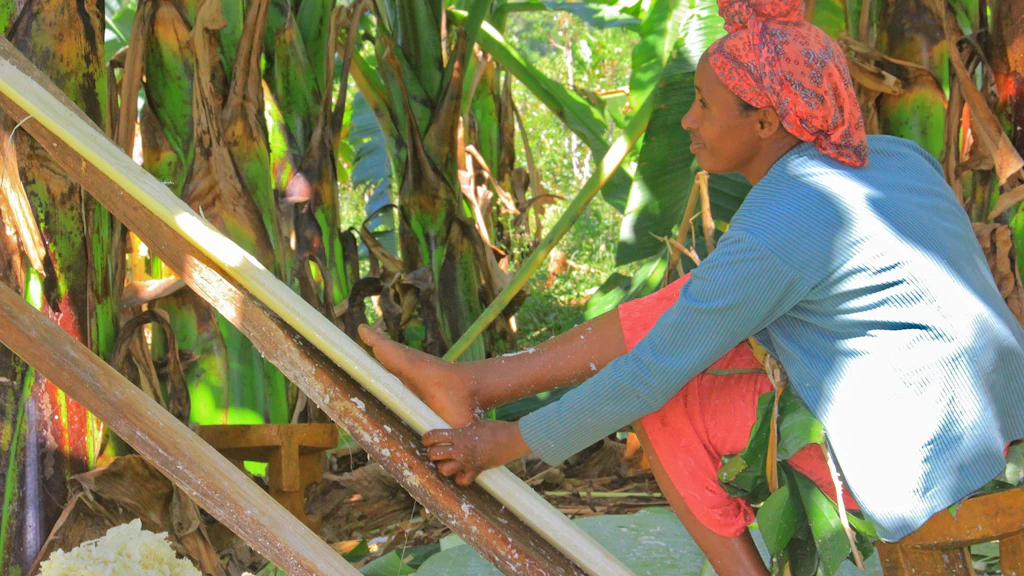
On the one hand, food systems are a major source of livelihood for women, employing up to 70% of the female workforce in some countries, while on the other the gender gap in food security has been steadily increasing over the years. Women play a central role in food production, processing, and nutrition, yet often face unequal access to resources, training, and decision-making. Gender equality and women’s empowerment are as such central to SDC. Reducing social and gender inequalities throughout food systems is therefore a priority, be that by improving women’s rights, the control of and access to natural resources, education, inputs and financial services, or ensuring the participation in decision-making. FAO estimates that closing the gender gap in farm productivity and wages could boost global GDP by about 1%, and reduce global food insecurity by about 45 million people. Women’s empowerment is therefore not only a moral and rights issue but also a strategic economic investment for sustainable, resilient food systems, recognising them not only as beneficiaries but as key agents of change.
Key resources
Thematic Integration Brief – Food systems & Gender (upcoming)
Knowledge Hub, SDC A&FS Network
Women's economic empowerment
SDC Education & Economy Network
Voluntary guidelines on gender equality and women's and girls' empowerment in the context of food security and nutrition
Committee on World Food Security (CFS), 2024
The Status of Women in Agrifood Systems
FAO, 2023
Changing Lives – Gender
World Food Programme, 2023
Gender Equality and Food systems
European Commission, Knowledge Centre for Global Food and Nutrition Security, 2025
Women’s Empowerment in Agriculture Index
International Food Policy Research Institute (IFPRI)
Gender and inclusive food systems and value chains
Guiding framework: Developing gender-sensitive value chains
FAO