
Series: Biodiversity 2025 – Way forward
Building on last year’s discussions, this series, organised by the Cluster Green from May to November 2025, aimed to further support mainstreaming of biodiversity and ecosystems into development work, with concrete recommendations, examples from SDC offices and partners, and ideas how to address the challenges identified along the way.
Background
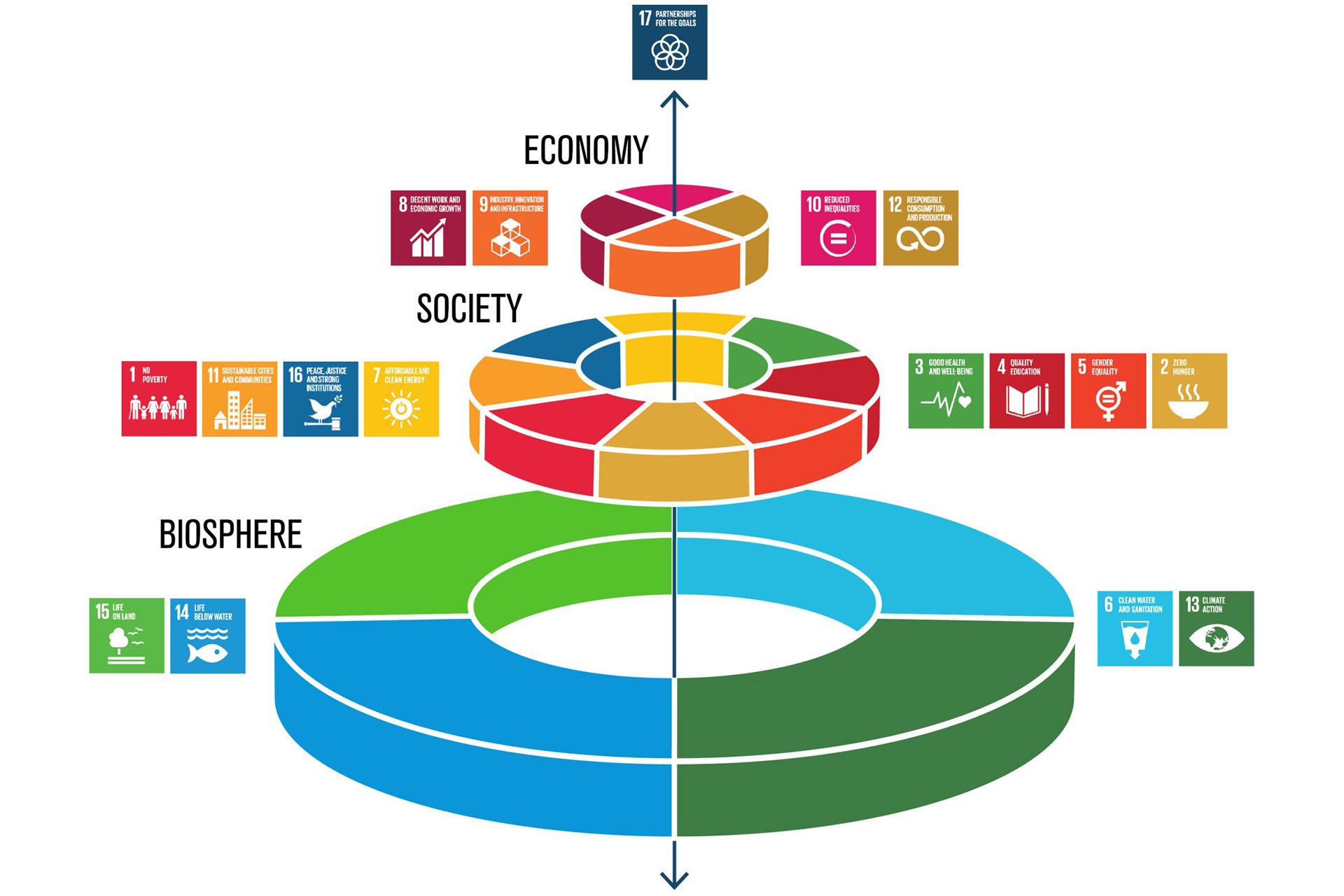
A first Biodiversity Learning Journey was held in 2024, with the aim to gain a deeper understanding of the importance of biodiversity and ecosystem services for international cooperation. It built on 3 webinars looking at :
- Increasing understanding: why biodiversity and ecosystem services matter for sustainable development, and what the global frameworks and funding mechanisms related to biodiversity & ecosystems are ;
- Learning from existing experiences from the field ;
- Introducing a few tools and approaches to mainstream biodiversity from other actors.
These webinars, far from providing all the answers, aimed at touching base with the topic, the challenges but also what already exists. They also led to the development of working aids within SDC’s CDE and AFS Networks, to support mainstreaming biodiversity.
Take-aways from that first edition:
- at national level: opportunity of addressing synergies among the Rio Conventions to enable more effective targeting of national priorities & funds, reducing duplication & risks of conflict; necessity to strengthen political understanding and ownership, notably to increase policy coherence.
- within the institutions: importance of internal awareness and capacity building, including through the provision of easily digestible tools & expert thematic advisory.
- regarding funding: mobilisation of private sector capital, notably by focusing on nature-based solutions and digitalisation; this requires the identification and recognition of the various types of benefits & co-benefits, integrating economic, environmental and social values, and the potential trade-offs.
- challenge of short-term results vs. long-term impact, to ensure both political and financial buy-in.
Programme
14 May 2025 (11:30-13:00 CEST):
Concrete tools and recommendations for mainstreaming:
- Updates on SDC tools for integrating biodiversity and ecosystems into our work
- Virtual roundtable discussions, looking at the nexus of biodiversity / environment and other thematic priorities of SDC:
- agriculture & food systems;
- private sector development;
- financing & investment;
- climate change adaptation & DRR;
- health;
- humanitarian aid.
- Feedback and next steps
17 September 2025 (12-13:30 CEST):
Financing Mechanisms
One of the key questions which appeared in Session 1 and which is often brought up, is to understand what are the different financing mechanisms which exist. In the development space, be it to directly fund biodiversity protection or restoration, or to leverage activities which have nature as a co-benefit, how can we achieve our objectives, where can we turn to to upscale our activities? It is with these questions in mind that we have invited three experts, from different backgrounds, to demystify some of these questions, and look into some examples of what worked or didn’t work.