Published on 15 April 2024

Research and Development

Agricultural knowledge and research in food systems drives innovation and evidence-based solutions that improve productivity, sustainability, and nutrition for healthier diets and resilient communities. Read more, including some key resources and latest news.

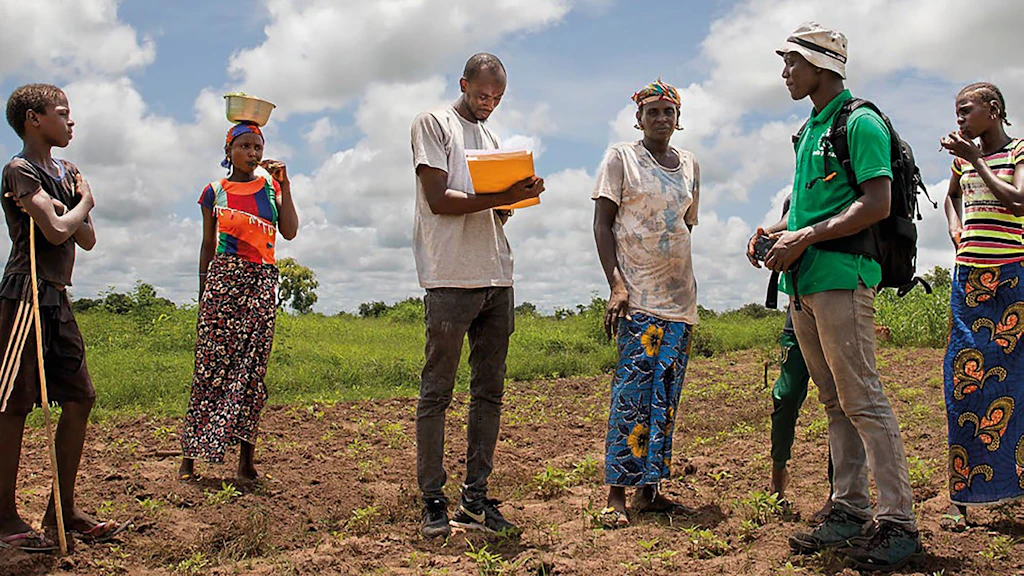
Chinyunyu Plant Clinic in Rufunsa district, Zambia

Context

Research and Development is crucial for agriculture and food systems, driving continuous public, inter- and multi-disciplinary innovations to improve practices and outcomes (e.g. incrop varieties, farming practices, supply chains, or better nutrition). Such innovations aim at providing solutions to a continuously changing context and diverse local parameters (climate change, demography, urbanisation, etc.).

Agricultural R&D has typically a high return on investment – e.g. support to CGIAR, SDC’s main Agricultural R&D partner, has a benefit-cost ratio of 10 to 1.

R&D is also crucial in linking science to policy, by providing evidence-based knowledge to help decision-makers transform food systems and practice for improving food systems. Switzerland supports R&D, innovations, training, best practices sharing, advocacy and continuous learning to enhance the performance of the actors along the food systems.

Key Resources

Research institutions supported by SDC

Public investment in agri-food system innovation for sustainable development
International Food Policy Research Institute (IFPRI), 2023

Global investments in agricultural research: Where are we and where are we going?
FAO, 2023

Comprehensive assessment of national extension and advisory service systems
FAO, 2022

GFRAS Policy Compendium
Global Forum for Rural Advisory Services GFRAS
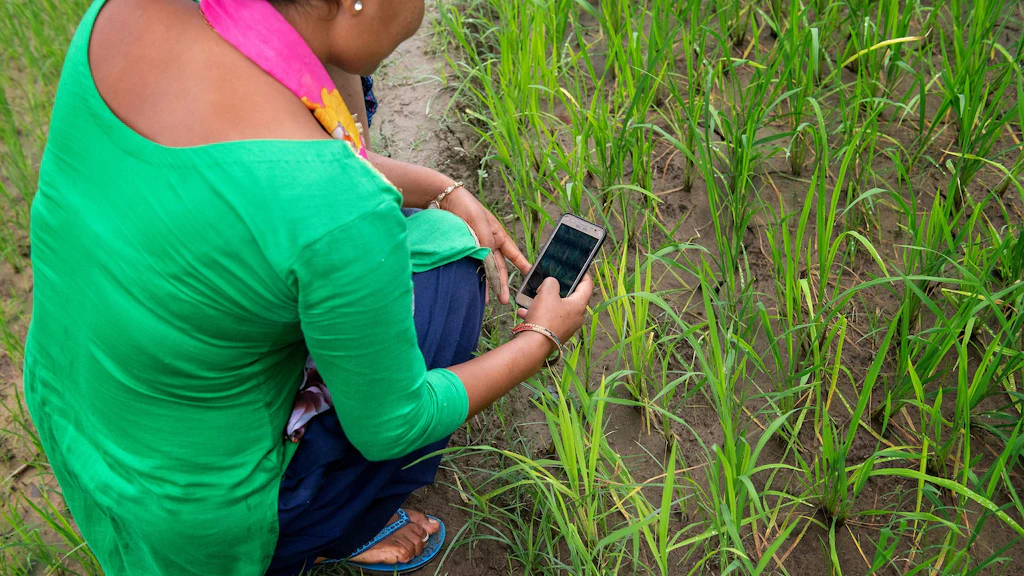
Nepalese farmer using mobile phone apps to enhance her yields and access services

21 July 2025

Grounding AI in Practice: Learning from Extension

GenAI promises many benefits in agriculture. But is it living up to the hype? What can AI systems learn from decades of person-to-person agricultural extension? We talk about extension’s obvious (and less obvious) limitations, what it gets right, and what AI can learn. We conclude that grounding AI in real-world extension practices is the only way to build tools that farmers will use, and trust. The piece is part of the AI for and with Food Systems Research Initiative blog series. The initiative brings together researchers and practitioners across CGIAR and its partners to explore how AI can be designed, governed, and applied responsibly in food systems research and innovation.

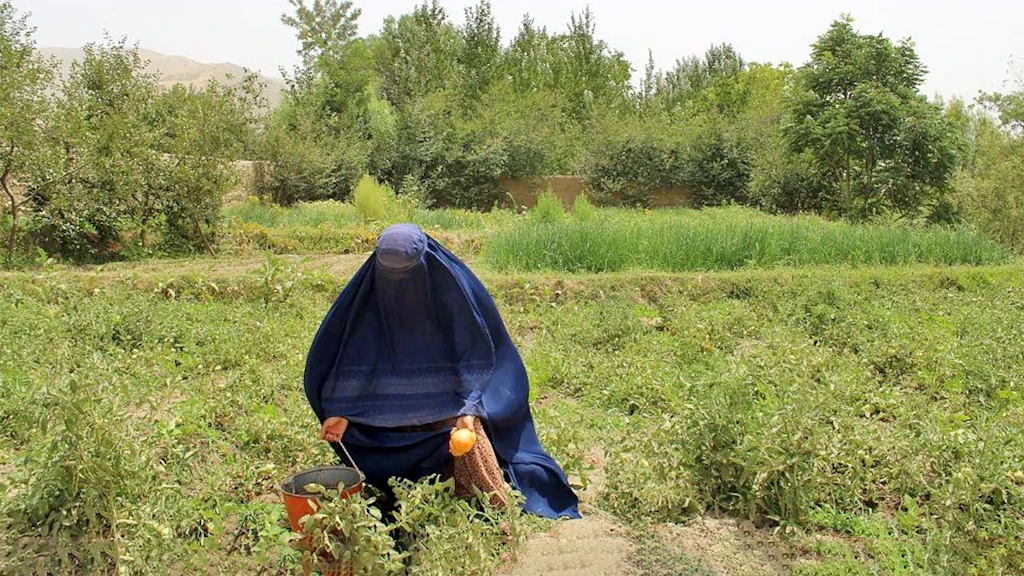
Sulsulah, A kitchen gardening beneficiary in Takhar province, Afghanistan

21 July 2025

Sulsulah's Story of Resilience in Afghanistan

Sulsulah, a 34-year-old woman from a village in Takhar province, Afghanistan is the sole breadwinner for her four children. With limited resources, she struggled to meet basic needs. Her situation worsened with the ban on girls' education, affecting her 16-year-old daughter. Through an agriculture project supported by Swiss Agency for Development and Cooperation and implemented by Aga Khan Foundation. Sulsulah received training and support to establish a kitchen garden. She gained skills, income, and social recognition. Selling vegetables earned, she earned Afghani 30,000 (USD 430), enabling her to buy household essentials and expand her business. She also bought milking goats, earning additional income. Sulsulah is now hopeful and eager to help other women succeed.

Country Fora in Madagascar_Field Engagement.

21 July 2025

Scaling Agroecology with GFRAS in Madagascar

In March 2025, GFRAS and partners gathered in Morondava, Madagascar for a national sharing workshop under the GP-SAEP project. The event showcased early, tangible results of agroecological practices introduced through 60 Farmer Field Schools across three districts. Local farmers reported increased yields, lower input costs, and reduced losses, all within the first growing cycle. With support from Rural Advisory Service facilitators, communities are already replicating sustainable techniques on their own farms. Contributions from GFRAS and AFAAS experts highlighted the strategic importance of participatory advisory services in driving food system transformation. The workshop confirmed how farmer-led innovation, backed by local and international collaboration, can accelerate agroecological change and strengthen smallholder resilience.

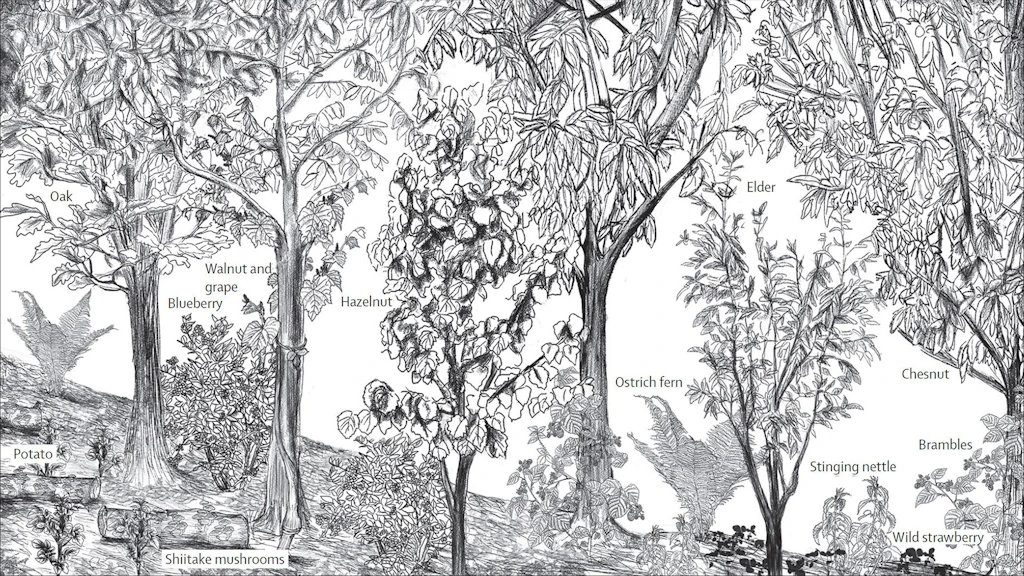
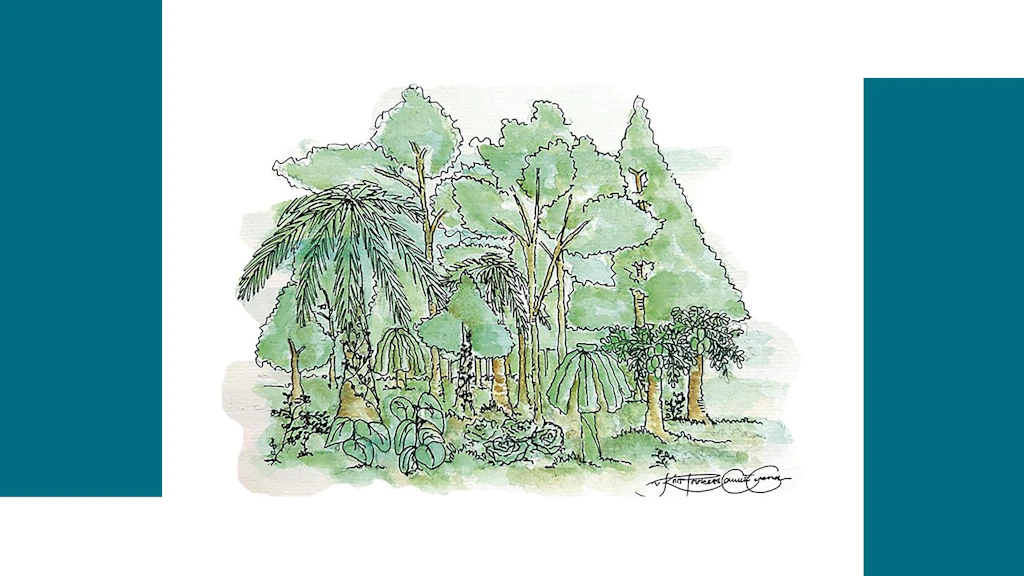
Illustration showing what a syntropic farming system can look like after approximately 20 years

21 July 2025

Publication about syntropic farming systems

The article “Syntropic farming systems for reconciling productivity, ecosystem functions, and restoration” in the scientific journal “The Lancet Planetary Health” is a systematic review of the literature on syntropic systems. Over 90% of the 67 studies showed positive effects, especially on agrobiodiversity, nutritional quality, and yield quality. Also carbon storage, soil fertility, water cycling, climate resilience, and plant health appear favourable across widely varying cropping systems and environments. While most studies come from the tropics, syntropic systems are emerging also in Europe, highlighting their potential to productively redesign degraded and intensively managed agricultural landscapes in the temperate zone.

21 July 2025

Swiss Forum on Rural Advisory Services: Its Legacy

30 April 2025 - What started in 2010 as a gathering of like-minded experts turned into a 15-year journey of co-creation, debate, and mutual learning. As the Swiss Forum on Rural Advisory Services (SFRAS) officially wraps up, we look back at its key contributions — and forward to how climate change, privatization, and digitalization are reshaping rural advisory services. It’s not just a farewell; it’s a call to reimagine how we collaborate and share knowledge in agriculture and beyond.

7 April 2025

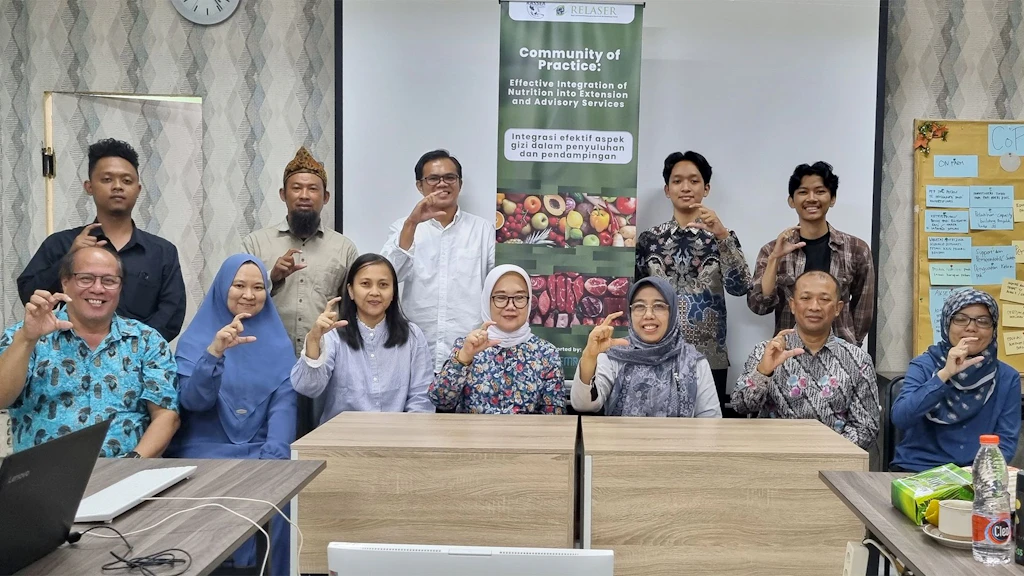
Leveraging RAS for Improved Nutrition in Indonesia

Rural Advisory Services (RAS) are key to tackling malnutrition in rural areas. GFRAS networks are involved in a Community of Practice (CoP) identifying case studies, promoting nutrition-sensitive agriculture, leveraging digital tools and multi-stakeholder engagement. Learn about a case from Indonesia about RAS can transform nutrition outcomes in the region and beyond.

11 December 2024

Revue Grain de sel: systèmes alimentaires durables en Afrique

Le nouveau numéro de Grain de sel, revue collaborative publiée par Inter-réseaux Développement rural, élaboré en partenariat avec Ipar Think Tank, se penche sur l'importance des interfaces et synergies entre recherche scientifique et politiques publiques pour renforcer la durabilité des systèmes alimentaires en Afrique de l'Ouest. Il examine comment une recherche prospective et territorialisée peut influencer et améliorer les politiques pour répondre aux défis urgents de sécurité alimentaire et de la durabilité environnementale, tout en proposant des méthodes et initiatives pour rendre ces connaissances accessibles et utiles aux décideurs, aux organisations paysannes et aux populations.

11 December 2024

Agroecological extension approaches in Africa

Discover how the ATREA project, led by AFAAS with GIZ and GFRAS support, is supporting agroecological extension services in Benin, Ethiopia, Kenya, and Madagascar. By analysing participatory approaches like Farmer Field Schools and innovative digital tools, this initiative offers insights into empowering farmers, scaling sustainable practices, and fostering partnerships. The upcoming synthesis report, set for release shortly, provides actionable lessons for Rural Advisory Services (RAS) to bridge knowledge gaps and drive agroecological transitions across Africa.

11 December 2024

20 years Swiss support to agricultural extension in Laos

Eighty percent of Laos' population relies on agriculture for their livelihoods. For over 20 years, the Swiss Agency for Development and Cooperation, in partnership with Helvetas, has supported Laos in making agriculture more effective and sustainable. Through the LEAP and LURAS projects, they have strengthened rural advisory services, focusing on poverty reduction, climate change adaptation, and the Green Extension Approach. These efforts have improved public extension services, empowering farmers with knowledge, market access, and sustainable farming practices.

11 December 2024

Fiches techniques pour valoriser l'eau de pluie

Notre plateforme vous présente son nouveau kit technique. Ces fiches, fruits de réflexions et d’échanges de bonnes pratiques constituent une ressource pédagogique qui offre aux acteurs du développement international des méthodologies et des solutions concrètes pour optimiser l’eau de pluie, cette précieuse ressource et l’intégrer dans vos stratégies de projets sur le terrain. Polyvalentes et concrètes, elles servent à la fois d’outils techniques et de sensibilisation.

18 September 2024

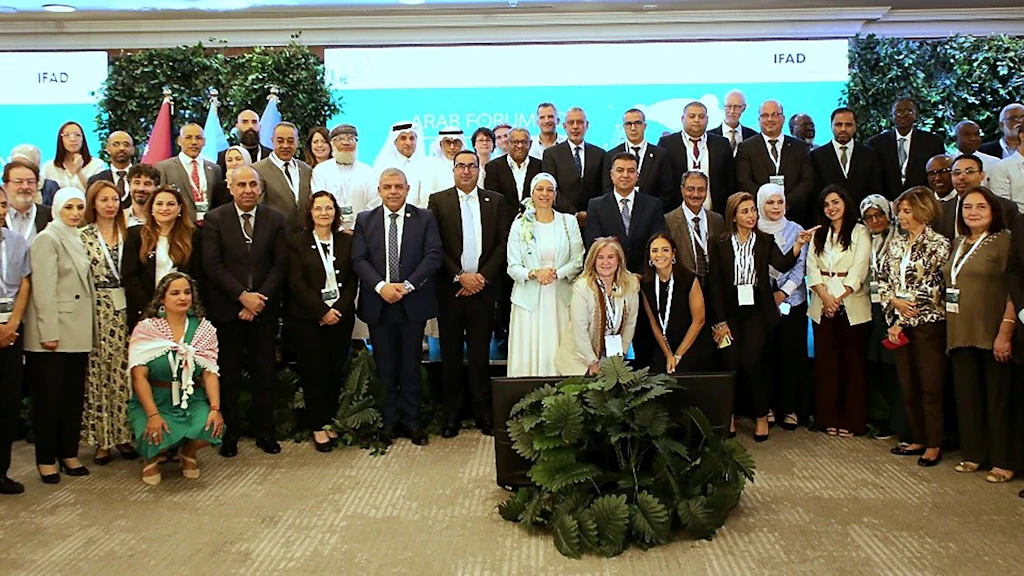
Extension Services Innovation in the Arab Region

The GFRAS network is expanding to the Arab Region with strong support from local governments, FAO, and IFAD, advancing advisory services. The Arab Forum for Rural Advisory Services (AFRAS) held its first annual meeting in Amman, with 17 countries working to enhance service delivery for farmers, boost food security, and promote stability. Previously absent from the global GFRAS network, the Arab Region is now integrating into the global space, aligning international expertise with local needs, contributing to rural transformation and achieving the SDGs.

18 September 2024

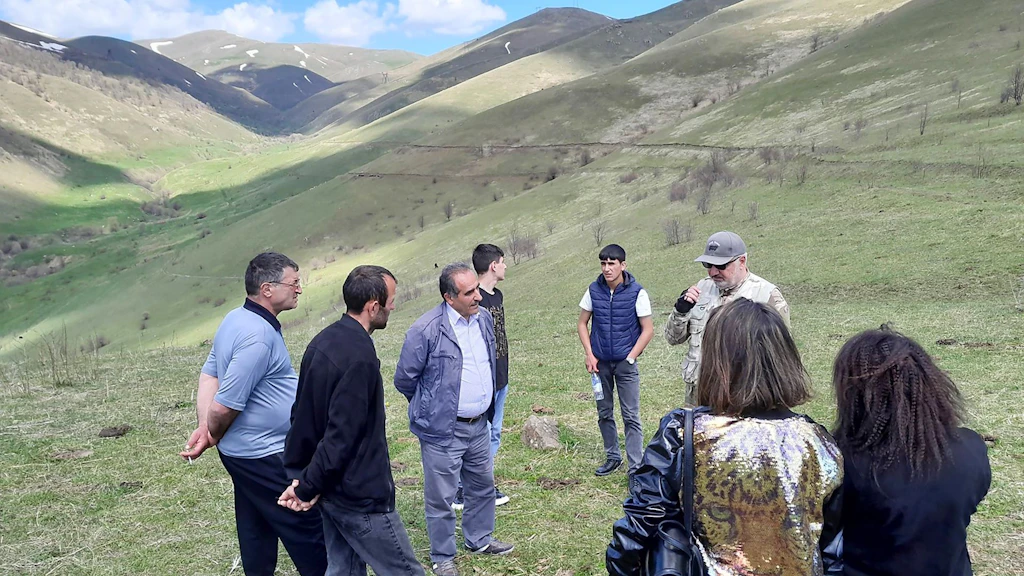
Farmer Innovation Groups co-create knowledge in Armenia

Rural Advisory Services don’t exist anymore in Armenia. With innovation groups based on the interactive innovation model, farmers co-create with partners solutions to their needs and boost their productivity. Agricultural college teachers could facilitate these groups if a shift in the job profile is made. This would also improve their competencies in providing up-to-date VET training to their apprentices. Such a form of mutual support and further development is often just as effective as a RAS, but much cheaper. Of course, this also requires farmers who understand their trade and can continue to build on it.

7 June 2024

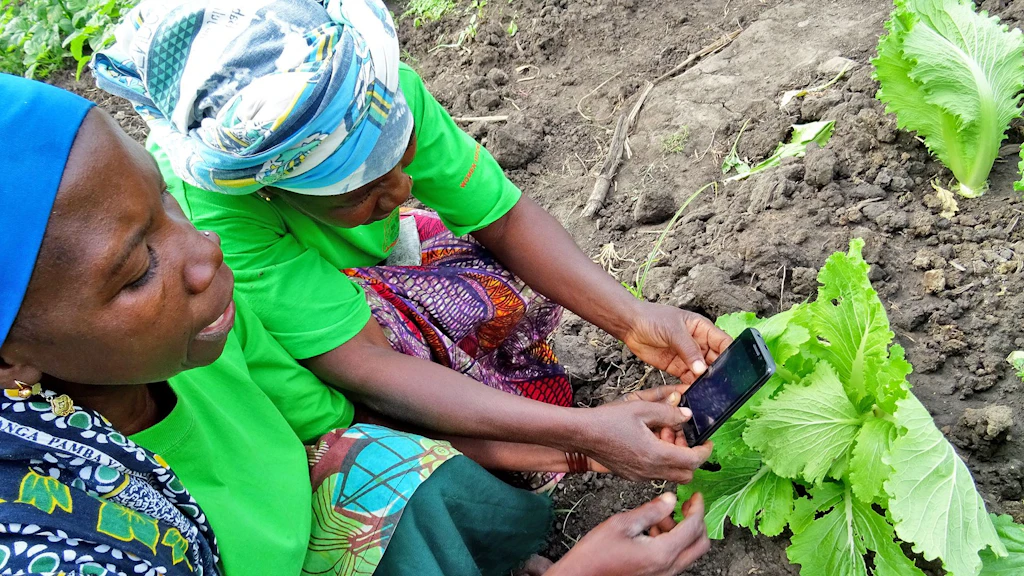
Participatory research demonstrates the effects of agroecological practices in Tanzania

SWISSAID, in collaboration with Swiss and Tanzanian researchers, has conducted a five-year participatory research project to test agroecological practices in Tanzania. Utilizing participatory methods and innovative mobile technology for data collection and sharing, the research has provided valuable insights into the effectiveness of various agroecological farming practices for cassava and maize production. The findings will contribute to the advancement of agroecology in Tanzania and, amongst other things, inform the National Ecological Organic Agriculture Strategy recently launched by the Government.

7 June 2024

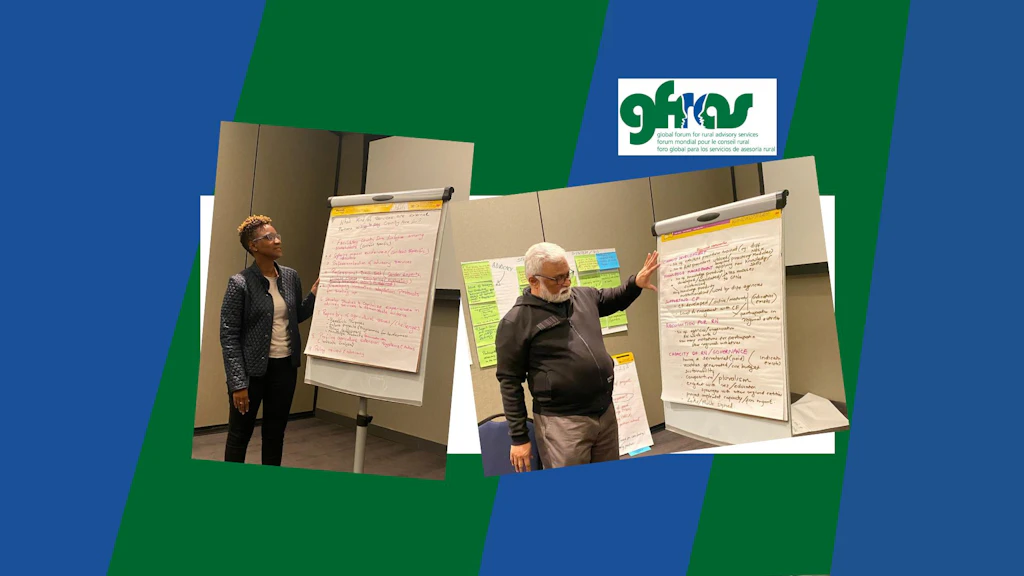
AI’s potential in enhancing rural advisory services

Join the global conversation on Artificial Intelligence in Rural Advisory Services (RAS) with GFRAS. Following up on a webinar that explored AI’s transformative potential in agriculture, GFRAS has established a task force to explore AI integration in RAS. We are now inviting stakeholders in agrifood systems to collaborate. Participate in this initiative, share experiences, and contribute to a Paper Series aimed at enhancing RAS, engaging with experts to harness AI for rural community advancement.