
A&FS Newsletter - July 2025
The newsletter of the SDC Agriculture & Food Systems Network provides you with the latest news on projects, publications and events related to food systems and submitted by network members. It also informs about A&FS Network activities and portrays network members.
Editorial
Dear readers,
Welcome to our summer edition! We have put together some inspiring and informative reads to accompany you during your well-deserved breaks. This edition begins with a focus on the use of artificial intelligence in the agriculture and food sector with two articles and the two recordings of our Thoughts for food n°21. You can then read some news about inspiring projects, recent publications and events. Last but not least, two new colleagues, decentralized in Addis Abbeba, Ethiopia, will introduce themselves to you in less than 3 minutes. We wish you an informative and inspiring read! And if you don’t feel like reading, at least check the comic at the end of this newsletter!
Enjoy your summer!

Use of Artificial Intelligence in the agriculture and food sector
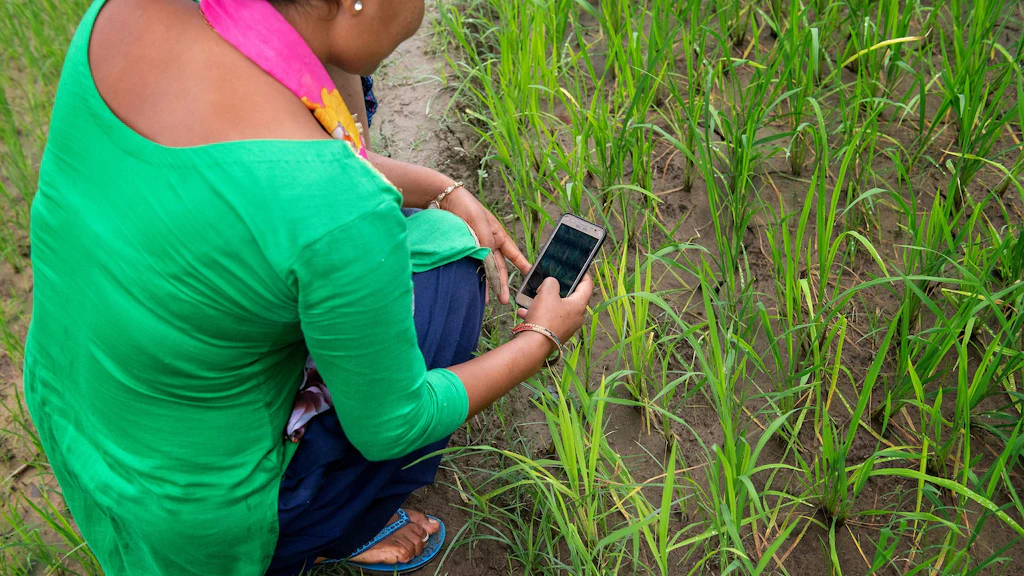
Grounding AI in Practice: Learning from Extension
GenAI promises many benefits in agriculture. But is it living up to the hype? What can AI systems learn from decades of person-to-person agricultural extension? We talk about extension’s obvious (and less obvious) limitations, what it gets right, and what AI can learn. We conclude that grounding AI in real-world extension practices is the only way to build tools that farmers will use, and trust. The piece is part of the AI for and with Food Systems Research Initiative blog series. The initiative brings together researchers and practitioners across CGIAR and its partners to explore how AI can be designed, governed, and applied responsibly in food systems research and innovation.

Predictive power of smartphone imaging
Traditional crop monitoring methods are often labor-intensive and subjective or require expensive equipment. This project develops an AI-driven smartphone solution for detailed 3D/4D crop analysis, empowering farmers to enhance field management and sustainable practices.

CABI – Generative AI for Agriculture Advisory (GAIA)
Generative Artificial Intelligence (GenAI) technology offers enormous potential by addressing information asymmetries and rapidly advancing research. In the agriculture sector, it can localize digital advisory messages and increase the accessibility of such messages. Ameen Jauhar, Data Governance lead, will present some of the work conducted under the Gates Foundation-funded GAIA project, addressing both the opportunities for chatbot tools to provide dynamic advice, but also the challenges of data governance and content licensing for GenAI systems to provide trustworthy and transparent chatbot tools.

Wageningen University & Research – Digital solutions for agricultural transformation
Digital Agri Hub, hosted by Wageningen University & Research, is a knowledge platform and repository of digital solutions for agriculture in low- and middle-income countries. Its GenAI-powered chatbot offers interactive access to reliable data and insights on the digitalisation of agriculture (D4Ag). Building on this experience, Inder Kumar and Sander Janssen will present emerging insights, challenges, and opportunities of AI in agriculture, highlighting its potential to drive sustainable innovation in LMICs.
News about some projects
Sulsulah's Story of Resilience in Afghanistan
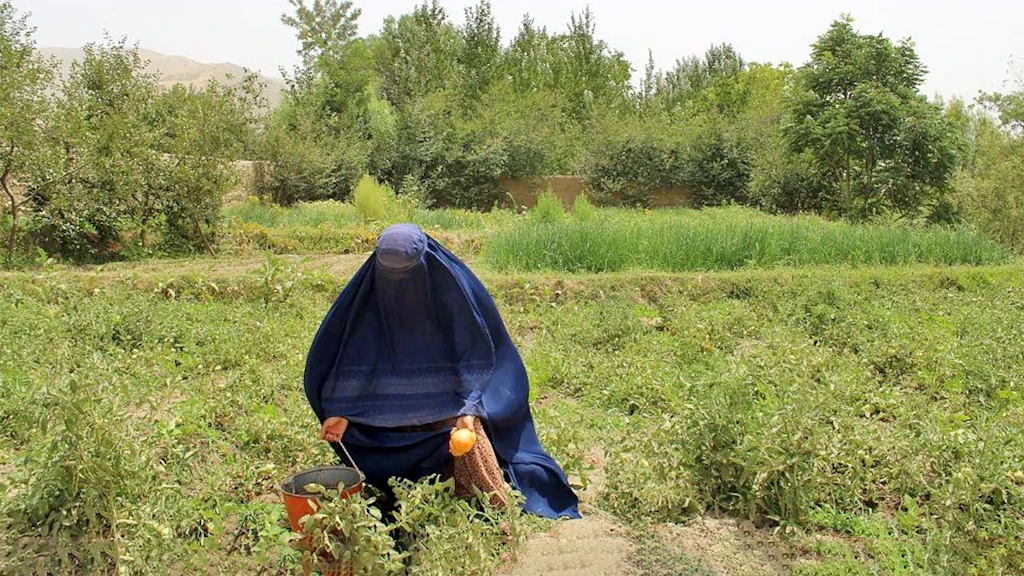
Sulsulah, a 34-year-old woman from a village in Takhar province, Afghanistan is the sole breadwinner for her four children. With limited resources, she struggled to meet basic needs. Her situation worsened with the ban on girls' education, affecting her 16-year-old daughter. Through an agriculture project supported by Swiss Agency for Development and Cooperation and implemented by Aga Khan Foundation. Sulsulah received training and support to establish a kitchen garden. She gained skills, income, and social recognition. Selling vegetables earned, she earned Afghani 30,000 (USD 430), enabling her to buy household essentials and expand her business. She also bought milking goats, earning additional income. Sulsulah is now hopeful and eager to help other women succeed.

Beyond Hunger: People-Centered Food Systems
Food security is more than producing enough food. Many countries face systemic barriers that limit access to land, resources, and services, resulting in unequal food access despite sufficient supply. The People-Centered Food Systems (PCFSy) Project addresses these challenges by helping governments and communities integrate human rights principles into food systems.

Scaling Agroecology with GFRAS in Madagascar
In March 2025, GFRAS and partners gathered in Morondava, Madagascar for a national sharing workshop under the GP-SAEP project. The event showcased early, tangible results of agroecological practices introduced through 60 Farmer Field Schools across three districts. Local farmers reported increased yields, lower input costs, and reduced losses, all within the first growing cycle. With support from Rural Advisory Service facilitators, communities are already replicating sustainable techniques on their own farms. Contributions from GFRAS and AFAAS experts highlighted the strategic importance of participatory advisory services in driving food system transformation. The workshop confirmed how farmer-led innovation, backed by local and international collaboration, can accelerate agroecological change and strengthen smallholder resilience.
Promotion de la sécurité alimentaire à la Paz
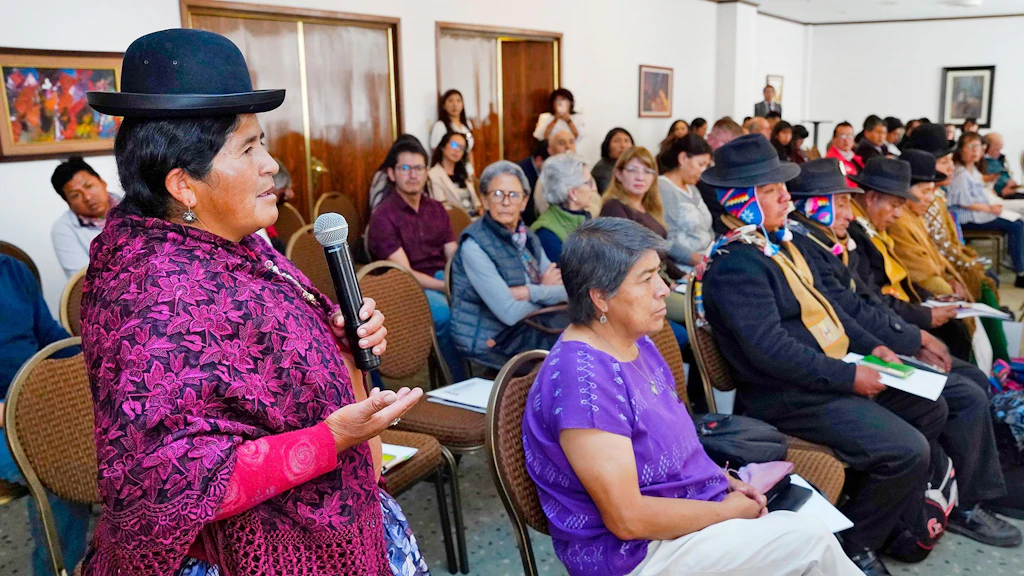
Un jardin potager situé à plus de 3 600 mètres d'altitude, au cœur de la ville de La Paz, et un comité de plaidoyer social et politique dirigé par la société civile ont été les pionniers de la sécurité alimentaire pendant plus d'une décennie, alors que rien, ou presque, n'était réfléchi et mis en œuvre à ce propos dans la municipalité de La Paz, ni même en Bolivie.
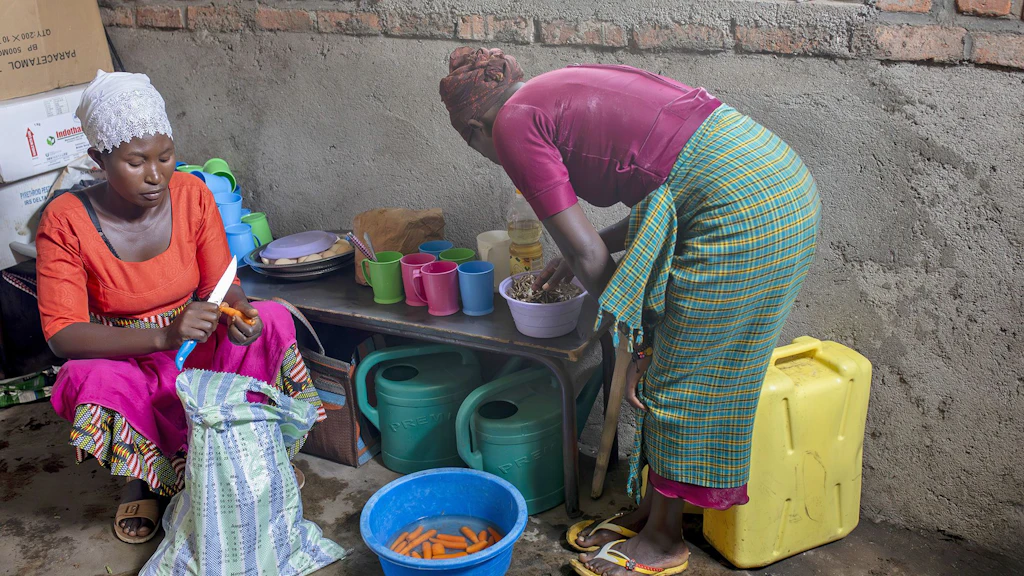
Nutritional Knowledge in NICE cities
What do average consumers know about nutrition?
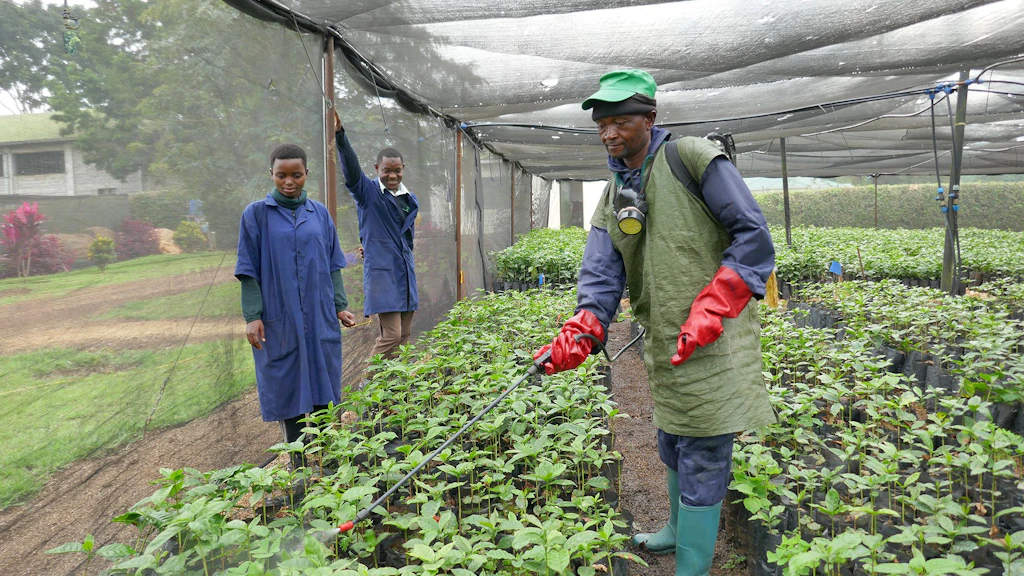
Transitioning away from HHPs to biopesticides
Highly hazardous pesticides harm both the environment by contaminating soil, water, and air, reducing biodiversity and disrupting entire ecosystems. In recent years, alternatives to pesticide use such as biopesticides and other agroecological approaches have gained momentum. But there are barriers such as limited infrastructure and incentives or non-adapted regulatory rules. Read key take-aways from a BRS COPs side event co-organized by Biovision and a recently published policy brief on the organic input sector in Kenya.
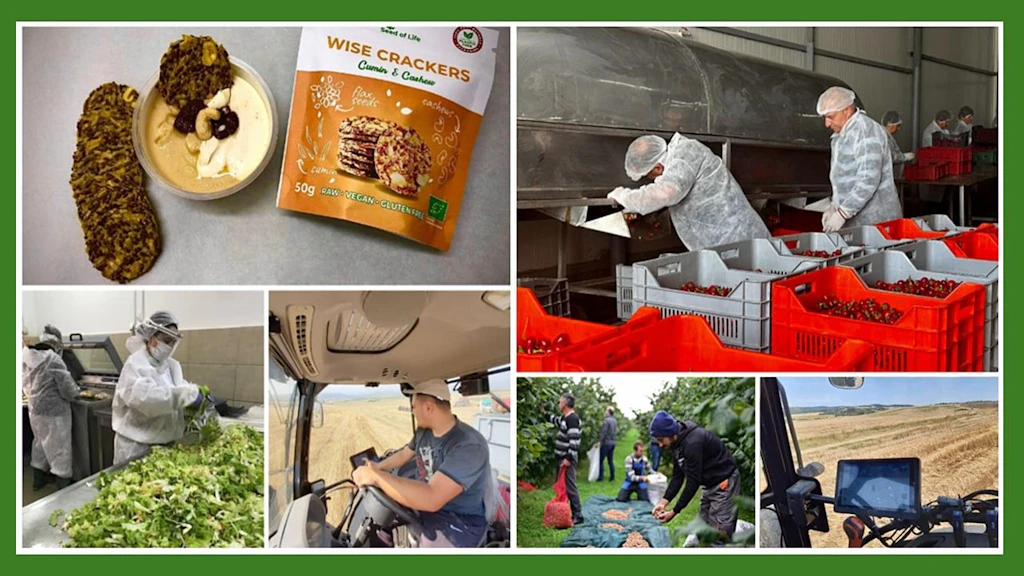
From Soil to Sustainability: Agribusinesses in North Macedonia Go Green
North Macedonia’s agribusiness sector is turning green, driven by innovation, EU-aligned reforms, and private investment. Through the Swiss IME program, farmers and producers are adopting sustainable technologies, eco-friendly practices, and international certifications like Global GAP and Bio Suisse. Legal reforms and targeted support further enable this shift. While challenges remain, a resilient, competitive, and climate-smart future for agriculture is already taking root across the country.
Recent publications
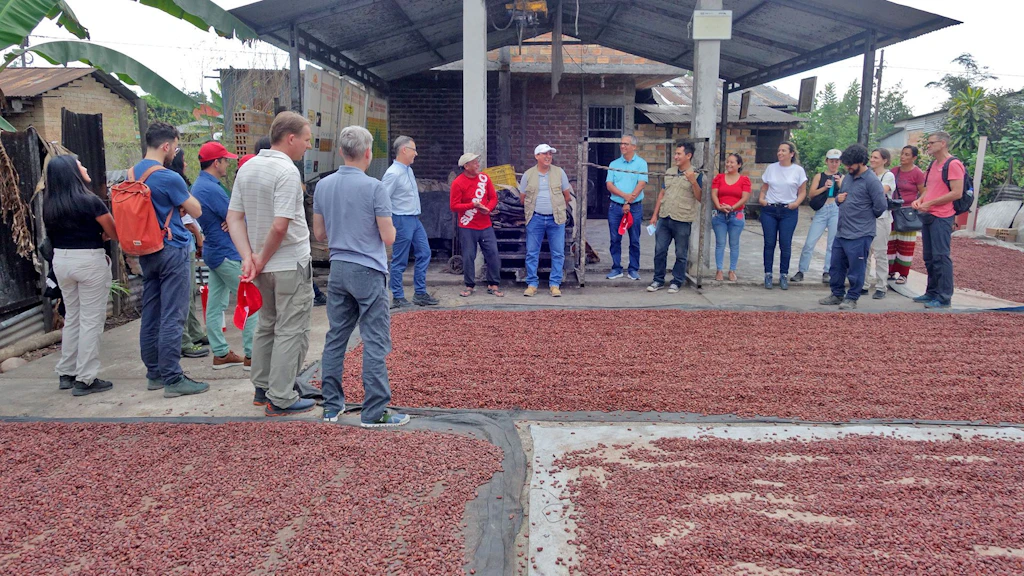
HAFL Hugo P. Cecchini Institute Annual Report 2024
The HAFL Hugo P. Cecchini Institute Annual Report presents project highlights and key moments from 2024. It’s a concise and informative overview of the work conducted last year, with clickable links to projects and stories.
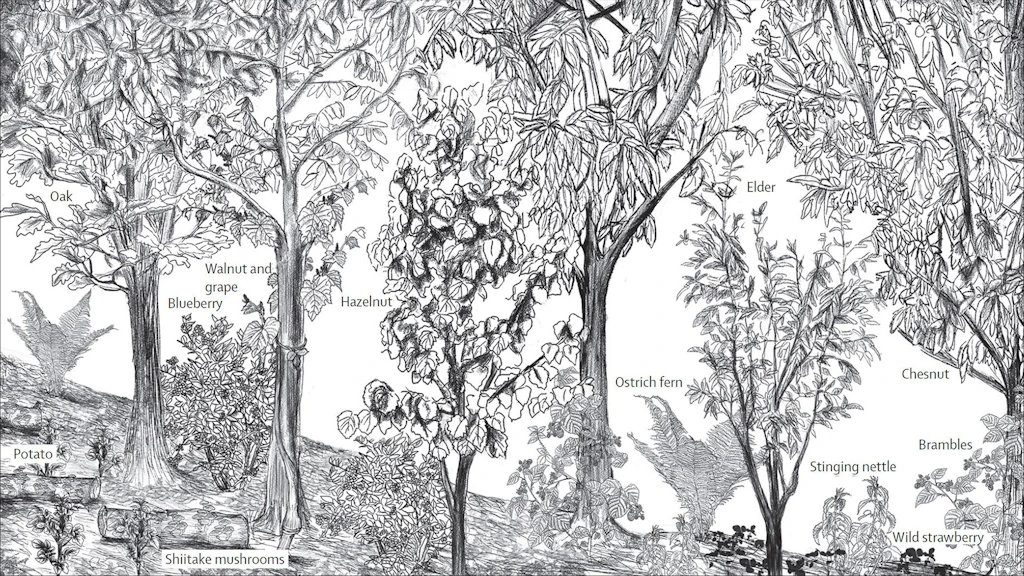
Publication about syntropic farming systems
The article “Syntropic farming systems for reconciling productivity, ecosystem functions, and restoration” in the scientific journal “The Lancet Planetary Health” is a systematic review of the literature on syntropic systems. Over 90% of the 67 studies showed positive effects, especially on agrobiodiversity, nutritional quality, and yield quality. Also carbon storage, soil fertility, water cycling, climate resilience, and plant health appear favourable across widely varying cropping systems and environments. While most studies come from the tropics, syntropic systems are emerging also in Europe, highlighting their potential to productively redesign degraded and intensively managed agricultural landscapes in the temperate zone.
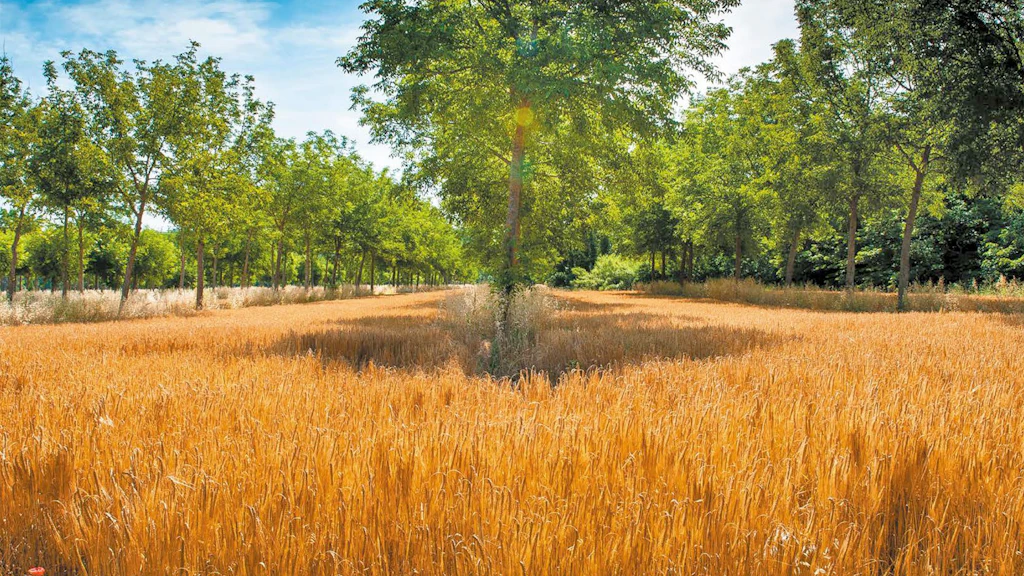
Nature-based Solutions for food security in France
The IUCN French Committee recently published a study on Nature-based Solutions for food security in France. It shows how NbS can make food systems more sustainable and resilient, with agriculture, aquaculture, and fisheries playing a key role depending on the local context. The publication includes 23 case studies, all analyzed using the IUCN Global Standard. They highlight concrete practices — from farm-level to landscape-scale — that benefit both biodiversity and food security. These examples are intended to inform and inspire policymakers, farmers, and other stakeholders to scale up NbS approaches across the country.
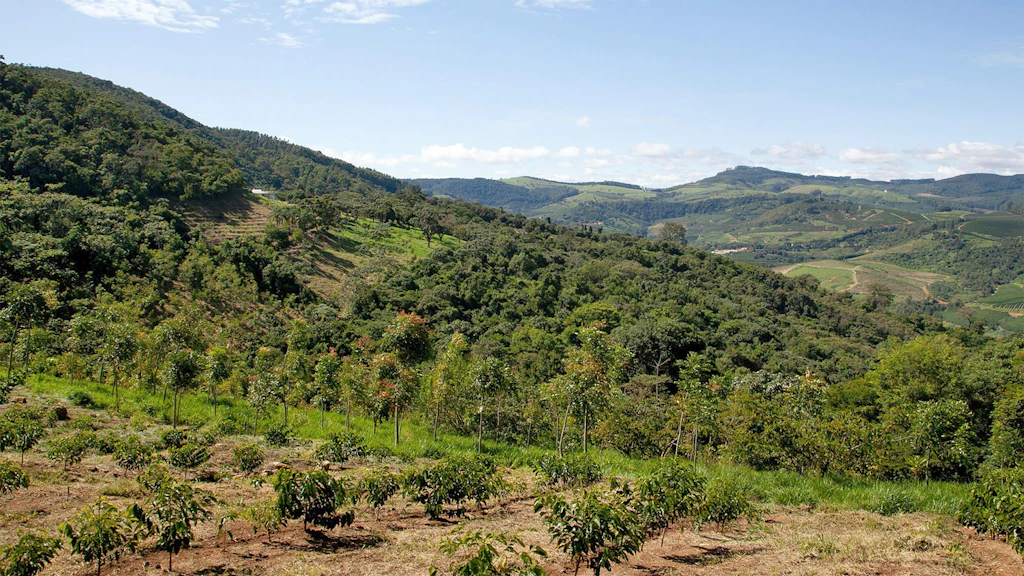
Monitoring land health in agricultural landscapes
The Land health monitoring framework introduces a holistic approach to assessing biodiversity and habitat diversity within agroecosystems. By offering a flexible framework that integrates a large range of existing tools and indicators, this report addresses the challenge of measuring land health – and the accompanying benefits it brings through various ecosystem services. The framework uses functional biodiversity—including above-ground biodiversity, below-ground biodiversity, and landscape elements—as indicators to evaluate the ecosystems’ capacity to support nature and people over time. As a complementary document to the report, a guidance note – Monitoring land health in agricultural landscapes – is now available, providing a step-by-step process to select indicators, develop monitoring protocols, and implement biodiversity tracking across scales in agricultural areas.
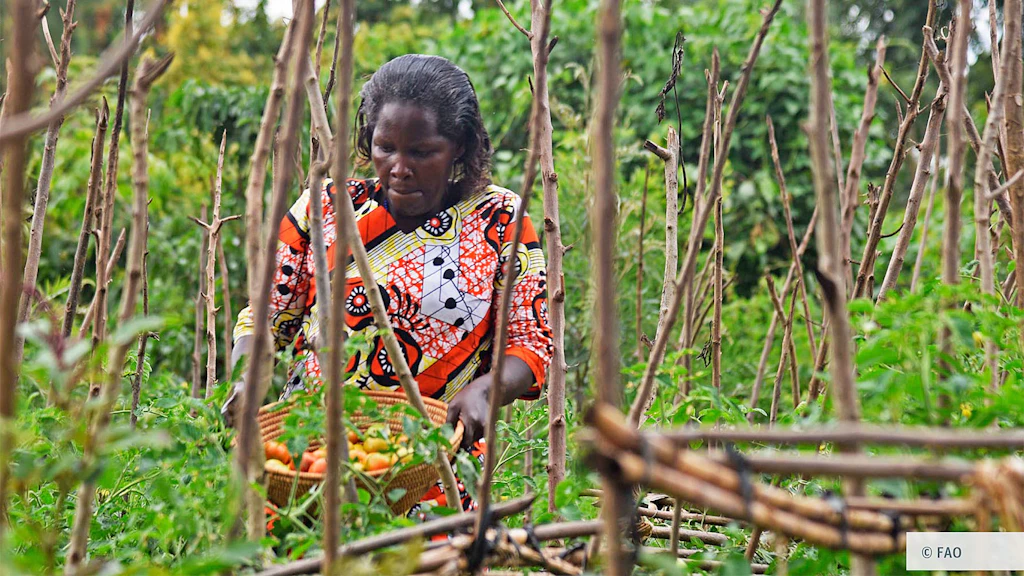
Uganda AE enterprise demand & business environment
The growth of agroecological enterprises (AEEs) presents an opportunity for stimulating agroecological farming. This study provides evidence and recommendations to back advocacy for increased financial and policy support for Ugandan AEEs. It examines consumer demand and provides a market systems analysis of the business operating environment for AEEs
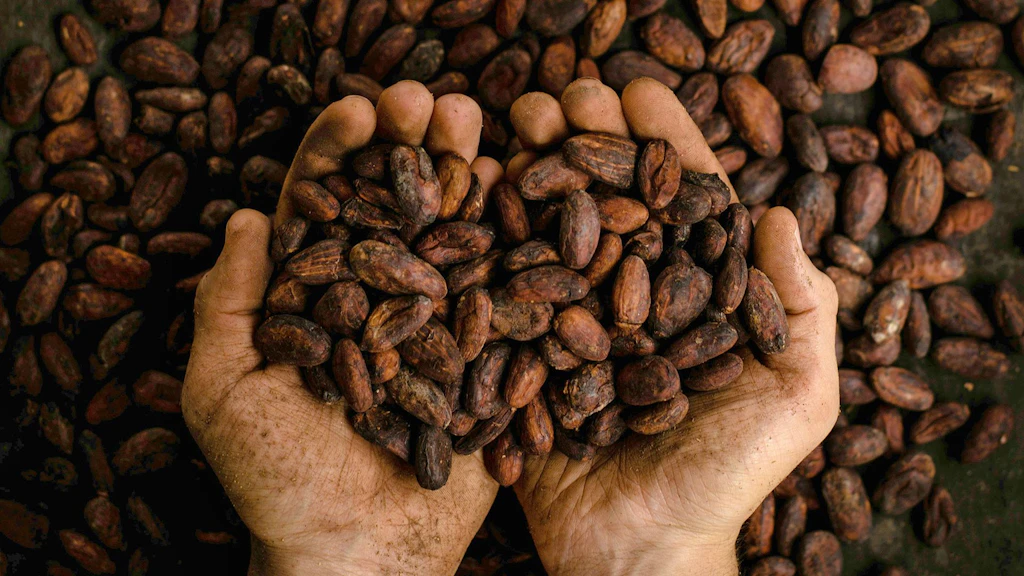
Human Rights and Environmental Due Diligence
The EU Regulation on Deforestation-free Products (EUDR), which aims to minimize the contribution of the EU to global deforestation, is facing challenges in its implementation. One such challenge lies in applying the required due diligence provisions in producer countries such as Peru, where the impacts of the EUDR may be significant. Peru has a prominent tropical forest area and exports most of its cocoa and coffee to the EU, crops which are grown mainly by smallholder farming families and Indigenous communities. This study explores the ongoing implementation of the EUDR in Peru, through a case study in the country's cocoa and coffee sectors.
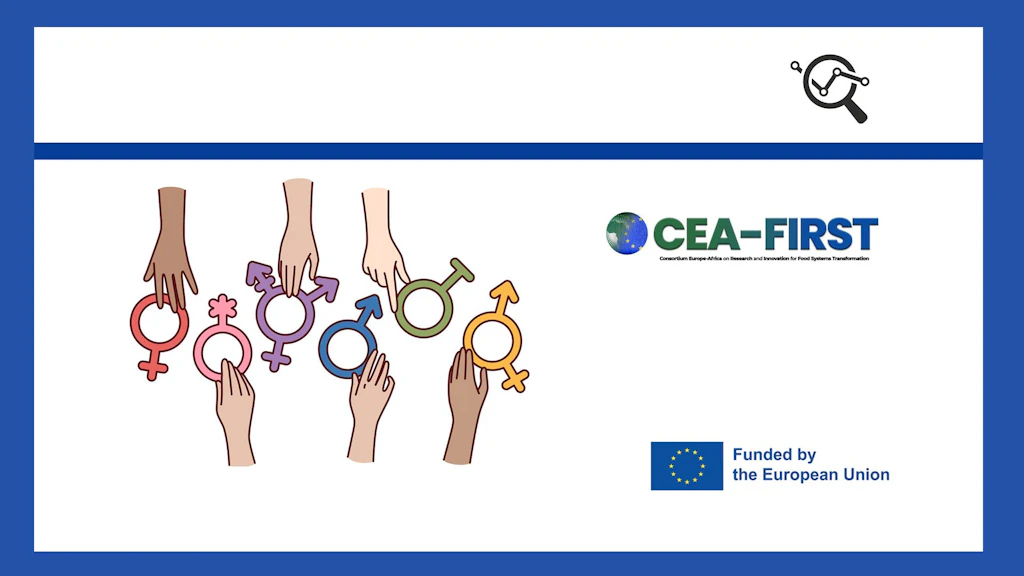
2025 CEA-FIRST Gender & Youth Strategy
Agricultural research and innovation have historically been male-dominated, and youth participation in food systems has remained limited due to barriers like land access, financing, and decision-making structures. To address this, CEA-FIRST consortium members YPARD, FARA, CORAF, and Agrinatura, have drafted the 2025 CEA-FIRST Gender and Youth Strategy. This article presents the strategic priorities and key recommendations from this Strategy.
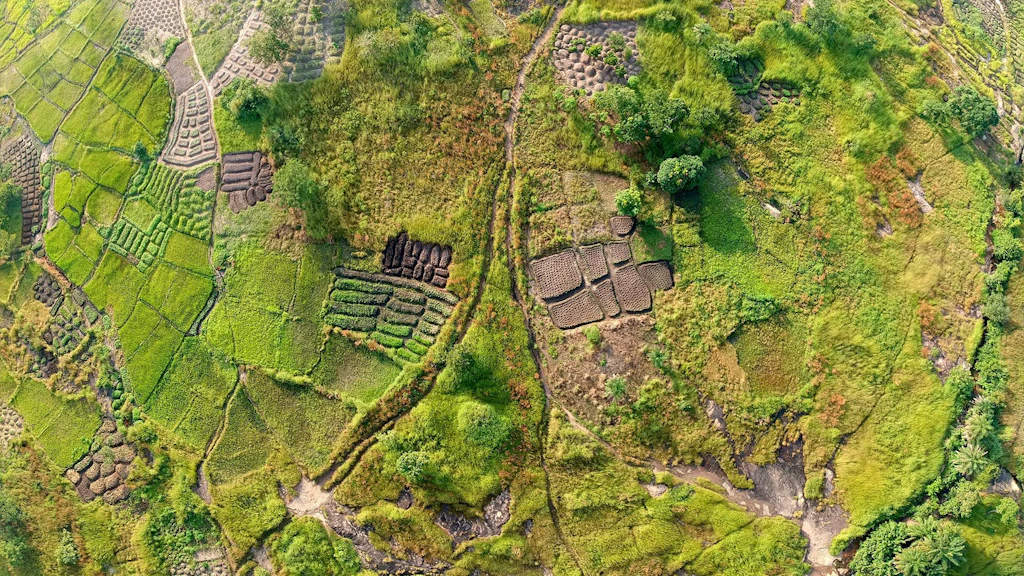
ACELI Africa showcased in IC Forum 2025 on Local Private Sector Support
Access to finance remains among the biggest challenge for most SME’s working in the agriculture and food sector in Africa. Around 60% of the population is working in agriculture, but the sector remains highly underfinanced. In East Africa only 3-4% of the financial sector share goes towards agriculture and the food sector. Supporting local private enterprises with adequate finances and sound technical assistance are keys to achieve the SDGs, especially in a time as conventional development assistance is increasingly questioned. An interesting session was held on this topic during the recent IC Forum 2025, organized by SDC in Switzerland.
Events
IUCN World Conservation Congress 2025
The IUCN World Conservation Congress (9-15 October 2025) is where the world comes together to set priorities and drive conservation and sustainable development action. IUCN’s 1400+ government, civil society and Indigenous peoples’ Member organisations vote on major issues to help guide humanity’s relationship with our planet. The Congress is also the largest marketplace for conservation and sustainable development science, practice and policy. Scientists, policy experts, business leaders and professionals from around the globe share their experience, innovation and latest research. IUCN’s unique convening power of state and non-state actors together gives Congress a powerful mandate to set the nature conservation agenda for decades to come.
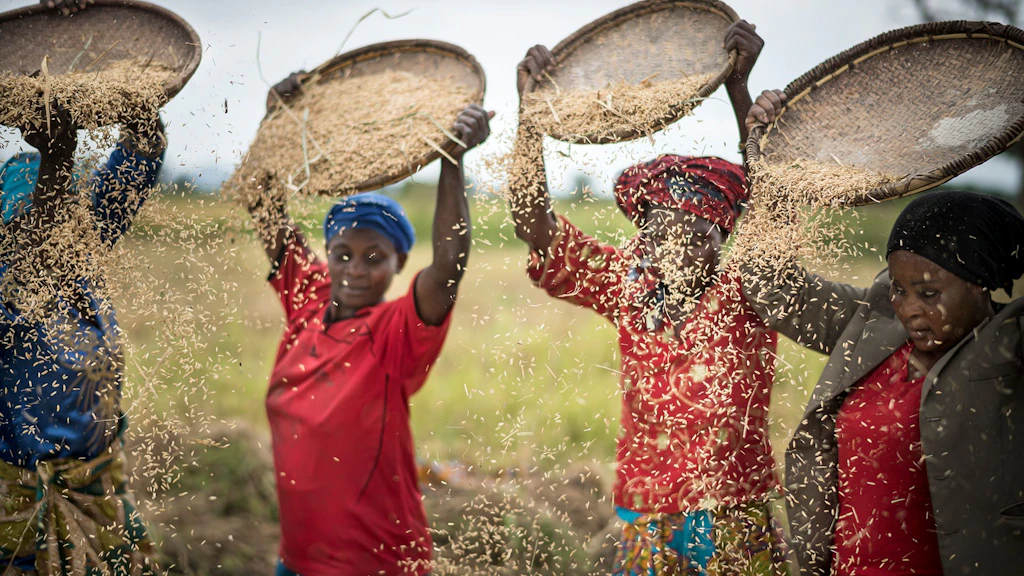
Swiss Forum on Rural Advisory Services: Its Legacy
30 April 2025 - What started in 2010 as a gathering of like-minded experts turned into a 15-year journey of co-creation, debate, and mutual learning. As the Swiss Forum on Rural Advisory Services (SFRAS) officially wraps up, we look back at its key contributions — and forward to how climate change, privatization, and digitalization are reshaping rural advisory services. It’s not just a farewell; it’s a call to reimagine how we collaborate and share knowledge in agriculture and beyond.
Who is who

Who is who: Selina Bezzola
Selina BezzolaPolicy Advisor Health & Food, SDC Health and Food Section

Who is who: Vivien Osele
Vivien OselePolicy Advisor Health & Food, SDC Health and Food Section
Comic
