
A&FS Newsletter - December 2024
The newsletter of the SDC Agriculture & Food Systems Network provides you with the latest news on projects, publications and events related to food systems and submitted by network members. It also informs about A&FS Network activities and portrays network members.
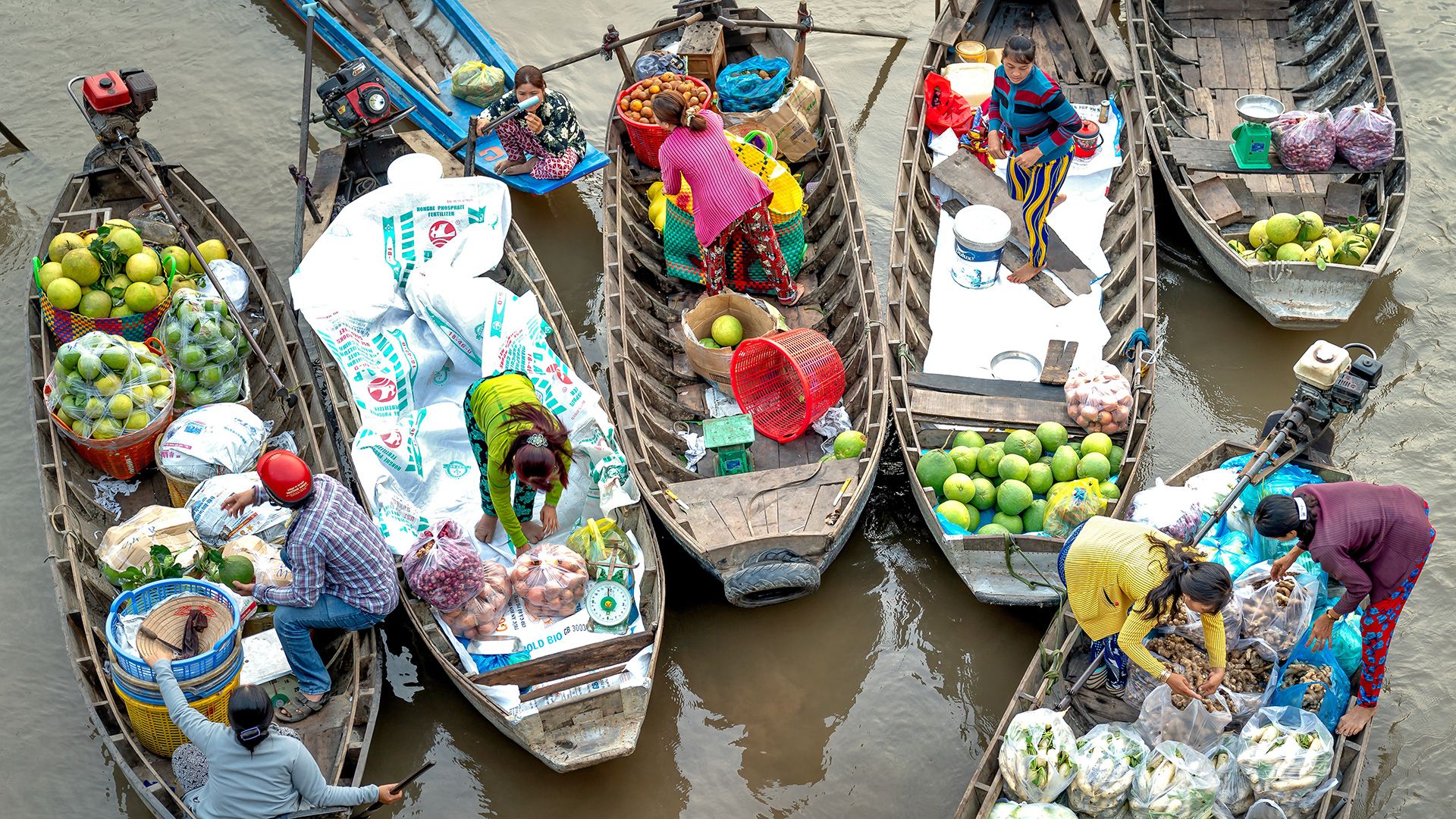
Editorial
Dear readers,
It is my pleasure to share with you the 4th and final edition of the A&FS Network Newsletter in 2024. The end of the year is often a busy time for many of us, making this Newsletter the perfect opportunity to catch up on the latest in international cooperation on food systems in an efficient and enjoyable way – and to track what our members are up to. For those of you who prefer more unconventional ways to relax, be sure to scroll to the end and check out our selected comic!
Reflecting the commitment you have shown throughout the year, you have sent us an impressive array of fascinating contributions from across the globe - from South America to Eastern Europe, South and Southeast Asia, and especially Africa. On behalf of the entire team, thank you for your continued support and enthusiasm.
In this edition, we first highlight the Risk-Reward Model (RRM), a GIS-based tool co-created by CIFOR-ICRAF, SNV, and partners to align land investments with sustainable development goals. Already reshaping practices in Ghana, Ethiopia, Mozambique, and Laos, this innovative model is a must-read.
Our members' other articles focus on four key themes. First, we delve into the topic of nutrition, exploring the challenges and progress of multilateral efforts in this field. We also highlight the crucial work of Helvetas in Bangladesh, addressing the root causes of malnutrition in the Chittagong region. After that, we look at community-based initiatives, including the impressive impact of the Bojane Farmers’ Cooperative in North Macedonia and the transformative effects of the Dongo Anyimi project in Uganda on local youth. Then, we feature several innovative projects offering concrete solutions for farmers to tackle climate change, such as The Agriculture Innovation Project in Egypt. Lastly, we examine the role of women in food security. This includes an interview with Natália Lobo, an expert in the field, and a project in Ethiopia led by the NGO Education for Development Association, which seeks to modernise the processing of Enset - a task traditionally carried out by women - to unlock its nutritional and economic potential.
As always, our «News Item» section will bring you up to speed on the latest publications and tools related to food systems. In addition, we will introduce you to Télio Gaborit, my counterpart at the Swiss Permanent Mission to the United Nations in Rome. Discover his fascinating work at the heart of multilateral organisations and diplomacy.
This edition is not only the last of the year but also the final one I will have the pleasure of coordinating, as my academic internship will come to an end in January. I would like to take this opportunity to warmly thank you once again for your contributions and for the many enriching exchanges I have had with you as part of the A&FS Network over the course of the year. It has always been a great pleasure to read about your inspiring work and to interact with you.
Wishing you an instructive read and warm regards,

Feature
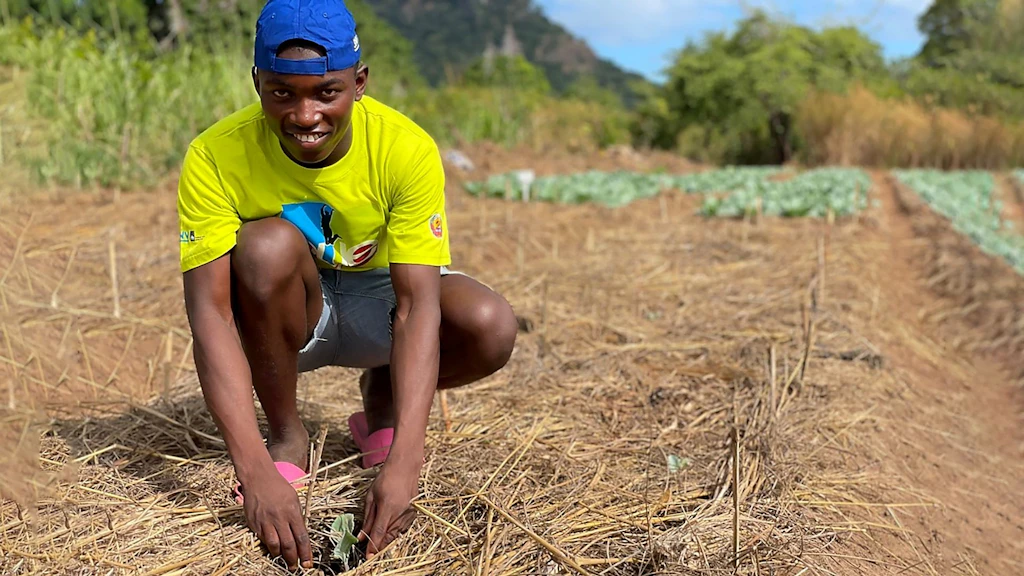
Transforming land investments: the Risk-Reward Model
How can land investments drive sustainable development? The Risk-Reward Model (RRM), co-created by CIFOR-ICRAF, SNV, Land Equity International, and local multi-stakeholder platforms, equips governments and investors with a GIS-based tool to visualise economic, social, and environmental risks and rewards. By enhancing decision-making and aligning private capital with sustainable development objectives, the RRM fosters transformative policies and investments. Learn how this locally led innovation is reshaping land investment practices in Ghana, Ethiopia, Mozambique, and Laos.
Members' Articles - Focus: Healthy diets and nutrition

A healthy diet for women and children in Chittagong
One in two people in the Chittagong region is affected by poverty, and malnutrition is widespread: one in two children are stunted in their growth and one in five are severely malnourished. The reasons for malnutrition are manifold: poor maternal health, insufficient breastfeeding, limited access to nutrient-rich foods, and lack of knowledge. Frequent diarrhea from contaminated water and poor hygiene worsens the situation. In Bangladesh, Helvetas supports ethnic minority families and informs them about the links between nutrition, hygiene and health and shows them ways to improve their diet.
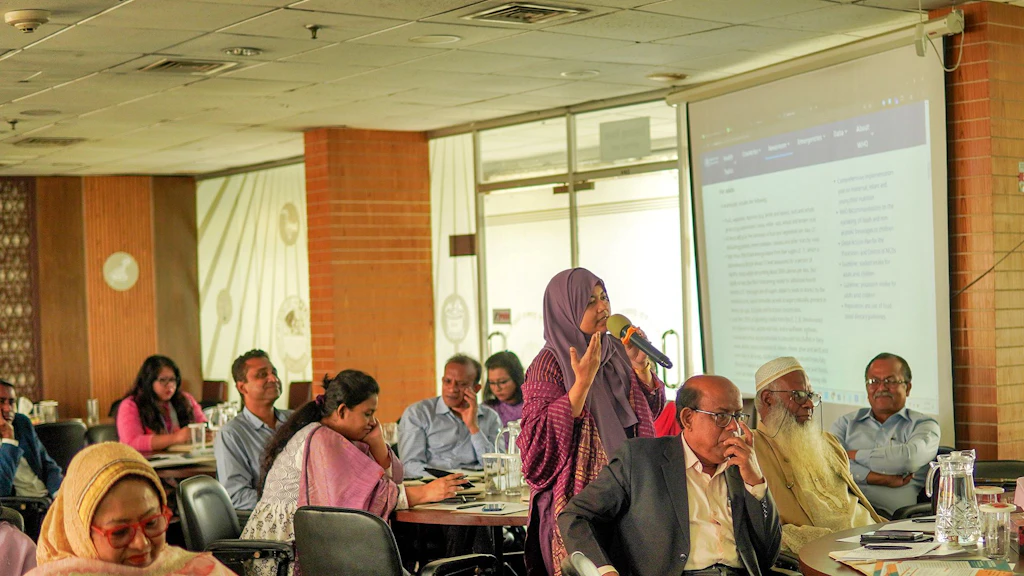
Promoting the WHO framework for Public Food Procurement Policies
On 18 November 2024 a workshop was organised in Dhaka by the Bangladesh Food Safety Authority and the Nutrition in City Ecosystems (NICE) Project to examine the WHO Action Framework for Public Food Procurement Policies. The workshop debated the challenges faced by vulnerable urban populations to access diverse diets, and how public procurement could help to address this. Key discussions included forming a task force, policy advocacy, and promoting public procurement of nutritious, locally sourced foods to schools, and hospitals.

Analyses financières des impacts négatifs des systèmes agroalimentaires
Le rapport annuel 2024 de la FAO, « L'état de l'alimentation et de l'agriculture dans le monde » souligne l'importance de comptabiliser les coûts des externalités négatives des systèmes agroalimentaires et appelle tous les acteurs à s’impliquer pour une transformation vers des systèmes alimentaires plus équitables et durables.
Members' Articles - Focus: Community-based initiatives
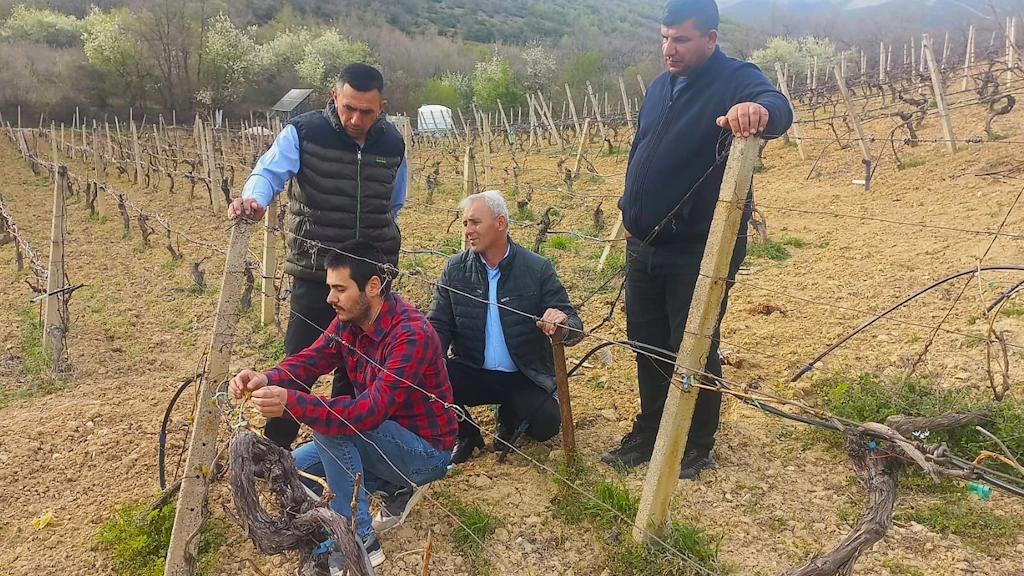
Cultivating community and sustainability in North Macedonia
Established with the vision of uniting local farmers, particularly grape growers, Bojane Agricultural Cooperative embodies a model of collective effort and sustainability. Comprising ten permanent members, it serves as an organised platform designed to address the multifaceted challenges faced by farmers while equipping them with the knowledge and tools necessary to thrive in a dynamic agricultural environment.
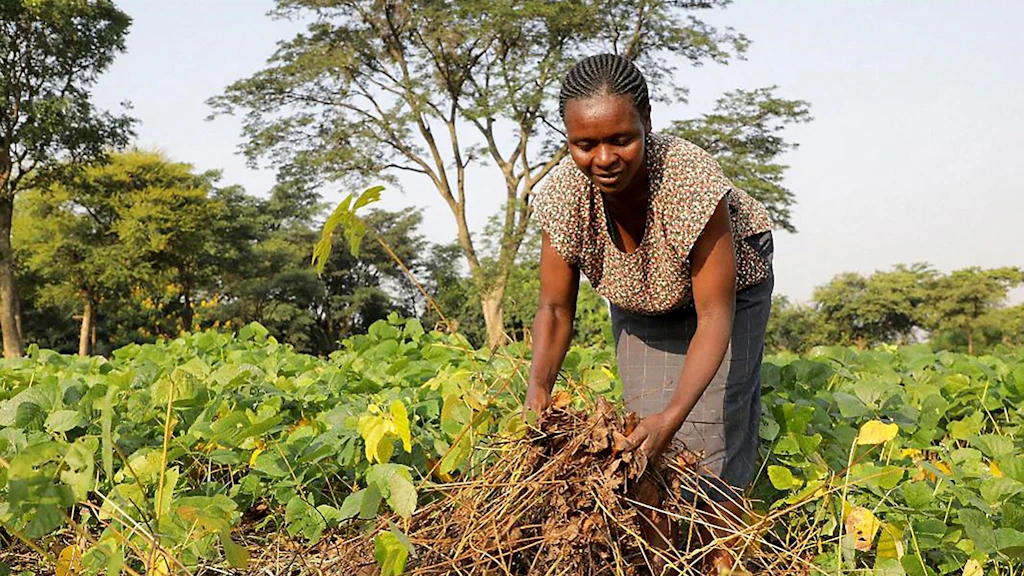
Agroecological extension approaches in Africa
Discover how the ATREA project, led by AFAAS with GIZ and GFRAS support, is supporting agroecological extension services in Benin, Ethiopia, Kenya, and Madagascar. By analysing participatory approaches like Farmer Field Schools and innovative digital tools, this initiative offers insights into empowering farmers, scaling sustainable practices, and fostering partnerships. The upcoming synthesis report, set for release shortly, provides actionable lessons for Rural Advisory Services (RAS) to bridge knowledge gaps and drive agroecological transitions across Africa.
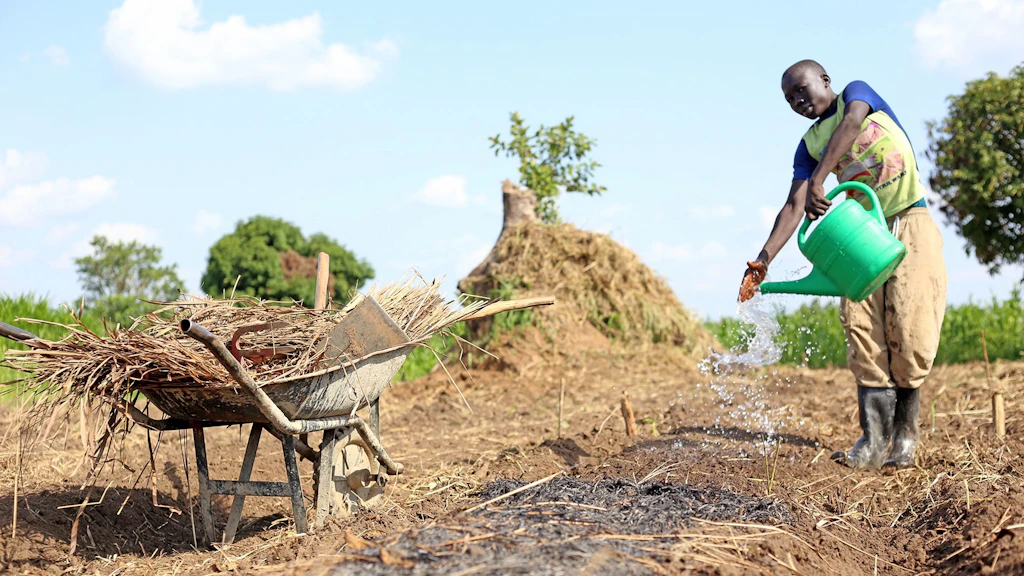
Growing hope: transforming lives in Uganda
In the Gulu district of northern Uganda, an innovative project is using agricultural training to help street-connected youth rebuild their lives. The «Dongo Anyimi» ("Grow Your Future") project, run by Hashtag Gulu Initiative, combines agricultural skills development and intensive family mediation to help vulnerable young people reconnect with their communities. The project also strengthens local climate resilience while building financial sustainability for long-term impact.
Members' Articles - Focus: Climate change adaptation
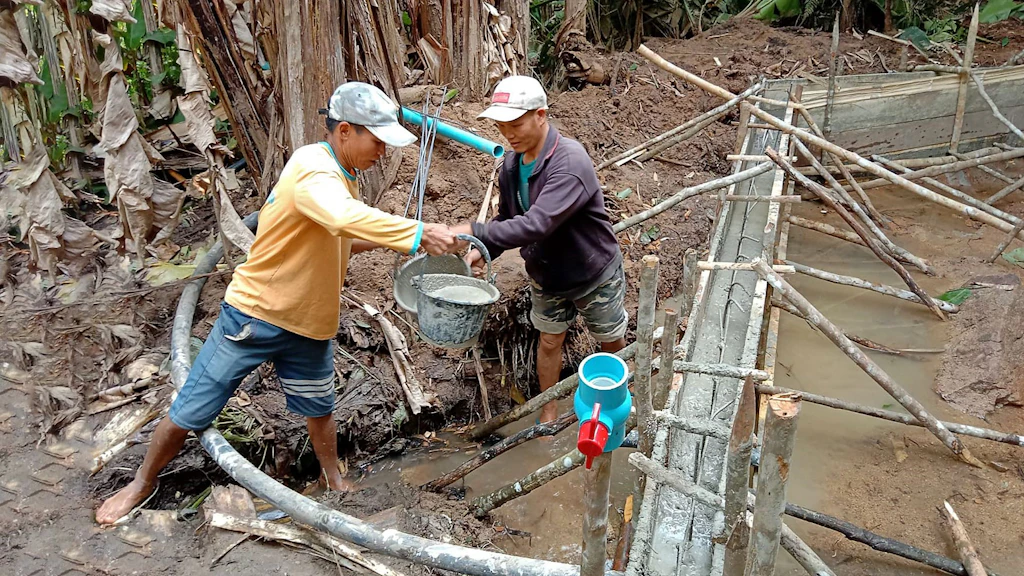
20 years Swiss support to agricultural extension in Laos
Eighty percent of Laos' population relies on agriculture for their livelihoods. For over 20 years, the Swiss Agency for Development and Cooperation, in partnership with Helvetas, has supported Laos in making agriculture more effective and sustainable. Through the LEAP and LURAS projects, they have strengthened rural advisory services, focusing on poverty reduction, climate change adaptation, and the Green Extension Approach. These efforts have improved public extension services, empowering farmers with knowledge, market access, and sustainable farming practices.
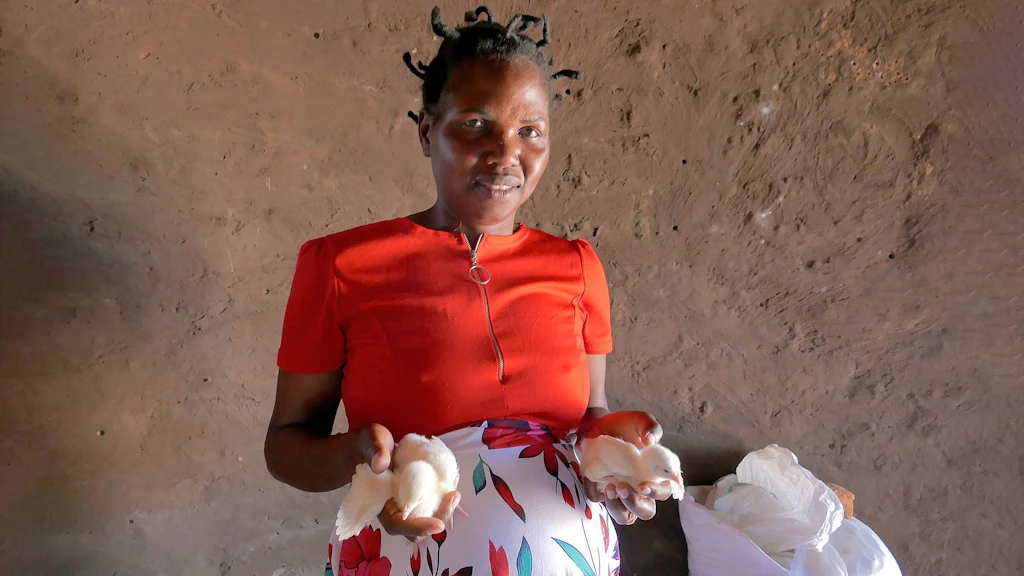
Farmers in Zimbabwe: turning minimal inputs into stable incomes
The Salvation Army Switzerland (Stiftung Heilsarmee Schweiz) and Salvation Army Zimbabwe are supporting rural communities to diversify income and strengthen their resilience against the negative impacts of climate change. A midterm review and field visits offer a chance to reflect on the next steps.
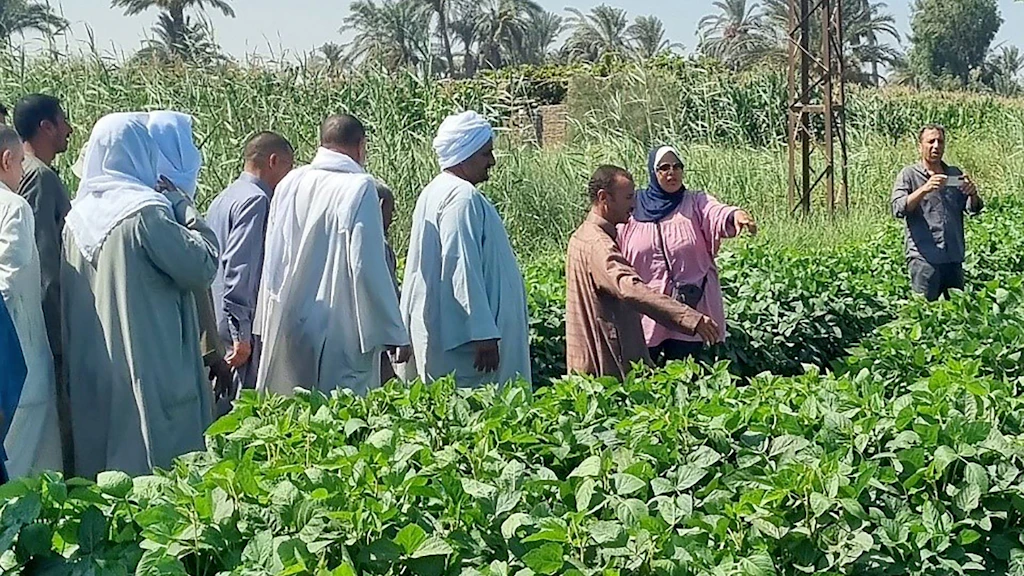
Smart agriculture against climate change
This furrow irrigation will not work for us, it’s too much labour”, exclaims a farmer during a field visit to the trial field of ICARDA and the Ministry of Agriculture in Beni Sueif, Egypt. The Agriculture Innovation Project II, funded by Germany and Switzerland, is assessing climate vulnerability of agricultural crops and viability of different solutions, in cooperation with ICARDA and the Ministry of Agriculture, to promote green innovations for higher incomes for smallholder farmers and rural businesses in Upper Egypt.
Members' Articles - Focus: Women and food security
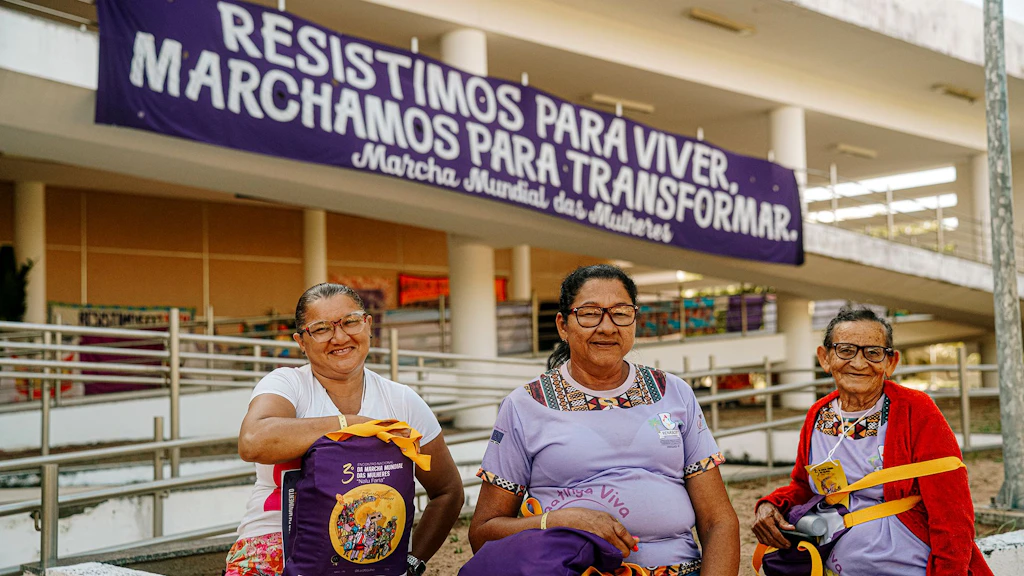
Pratiques féministes et agroécologiques pour un monde durable
Natália Lobo est agroécologue et militante de la Marche Mondiale des Femmes, partenaire d’E-CHANGER au Brésil. Ses recherches portent sur les liens entre agroécologie et rapports de genre. Dans cet entretien avec Maïmouna Mayoraz, elle explique son travail avec les femmes rurales au Brésil ainsi que les liens entre souveraineté alimentaire et égalité des sexes.
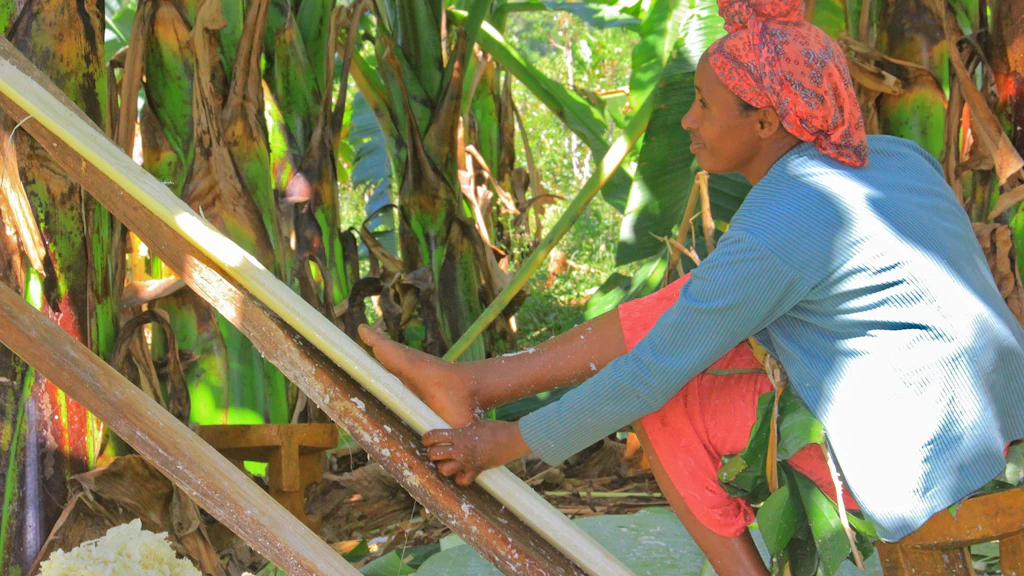
«Enset» an orphan crop that feed 20 million people in Ethiopia
Enset, the drought-tolerant «False Banana,» feeds millions in Southern Ethiopia but struggles with outdated processing methods. A transformative project led by the NGO «Education for Development Association» is empowering women, modernising techniques, and unlocking Enset's potential to combat food insecurity and climate change.
News

Launching of Kenya mass markets & PGS policy brief
A new policy brief on the need for greater recognition for agroecological markets and the emergence of favourable regulation for Participatory Guarantee Systems (PGS)-based products was launched on 6th November at the Kenya Agroecology Symposium, Nairobi. The Symposium's Call-to-Action highlighted the recommendation that the Kenya National Accreditation Service recognises PGS as a certification system. The research was commissioned by Biovision and implemented by Practical Action with Kenya Organic Agriculture Network, Participatory Ecological Land Use Management, Slow Food Kenya, Biovision Africa Trust.
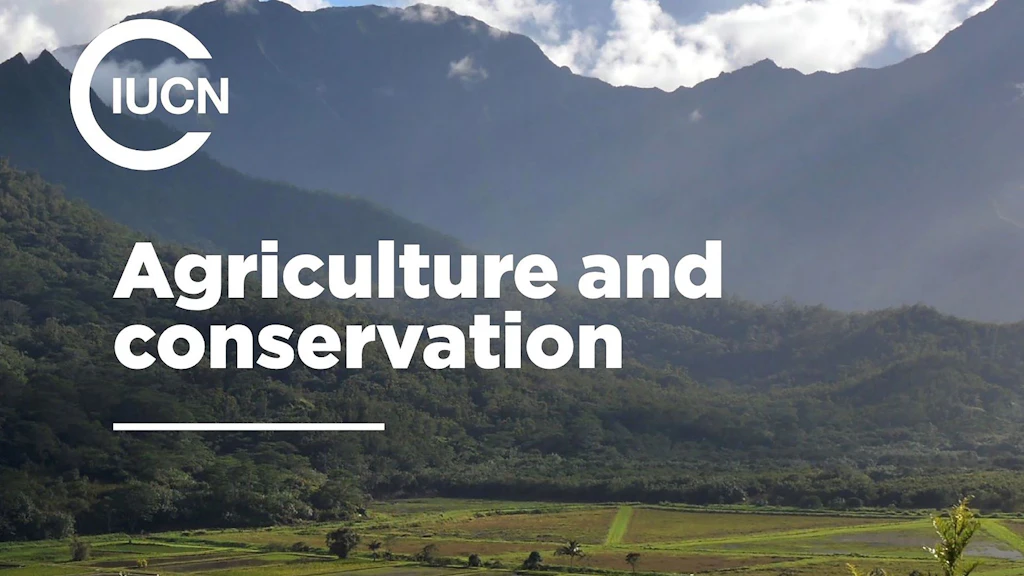
IUCN launches flagship report on agriculture and conservation
IUCN’s Flagship Report Series focuses on the importance of conserving nature for human well-being and all life on Earth. Agriculture and conservation, the second Report, asks: can we end hunger and ensure food security while also protecting and restoring nature? Agriculture and conservation sets out the positive and negative relationships between agriculture and nature conservation. Read the key messages briefing and the full report via the link below.
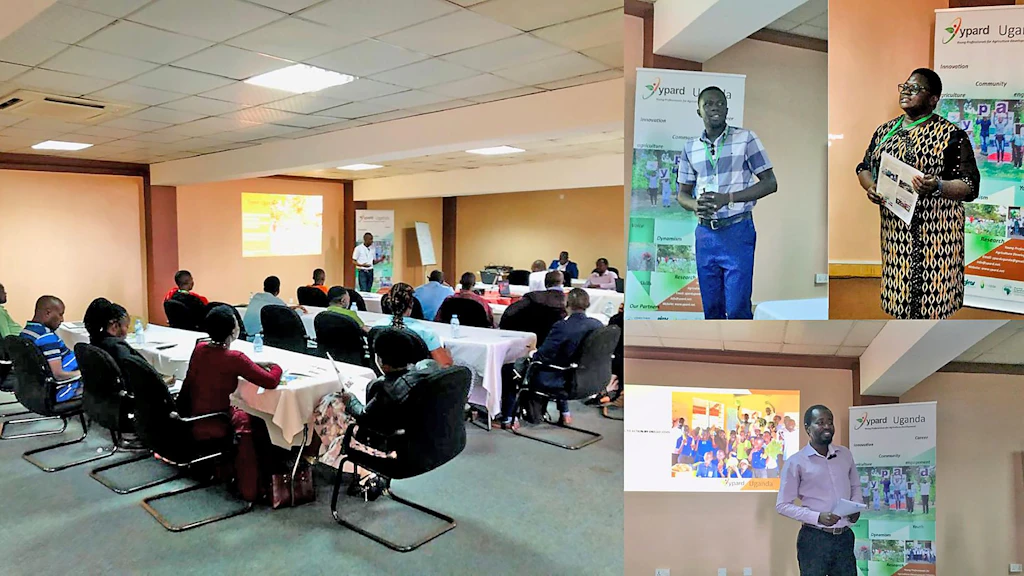
Highlights from YPARD Uganda Agroecology Fellows’ Café
YPARD Agroecology Fellows in Uganda recently hosted their first Café event, uniting 80 participants to explore «Youth Leadership in Agroecology» during the Uganda National Extension Week. Held in Kampala, the hybrid event sparked vibrant discussions on sustainable farming practices, leadership opportunities, and overcoming challenges in agroecology. Organised by YPARD Uganda under the GP-SAEP project, it empowered young leaders to promote transformative, eco-friendly agricultural systems. With its collaborative spirit, the Café showcased youth as pivotal to Uganda’s sustainable agricultural future.
Reporting experiences on degradation & drought
"The Land Story - Country experiences with reporting on land degradation and drought” by the UNCCD, WOCAT and the Centre for Development and Environment (University of Bern) shares insights and methodologies from 30 countries that contributed to improving land degradation and drought reporting. It provides insight to the range of approaches that countries have taken to overcome challenges related to data availability, reliability, analysis and upload, digital and geospatial literacy, as well as sufficient and timely financial resources.
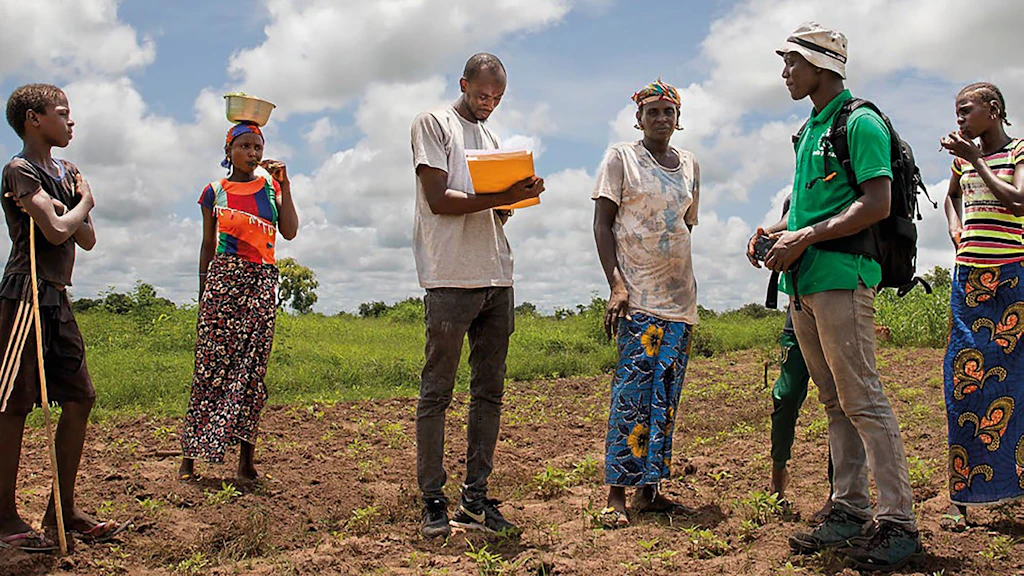
Revue Grain de sel: systèmes alimentaires durables en Afrique
Le nouveau numéro de Grain de sel, revue collaborative publiée par Inter-réseaux Développement rural, élaboré en partenariat avec Ipar Think Tank, se penche sur l'importance des interfaces et synergies entre recherche scientifique et politiques publiques pour renforcer la durabilité des systèmes alimentaires en Afrique de l'Ouest. Il examine comment une recherche prospective et territorialisée peut influencer et améliorer les politiques pour répondre aux défis urgents de sécurité alimentaire et de la durabilité environnementale, tout en proposant des méthodes et initiatives pour rendre ces connaissances accessibles et utiles aux décideurs, aux organisations paysannes et aux populations.
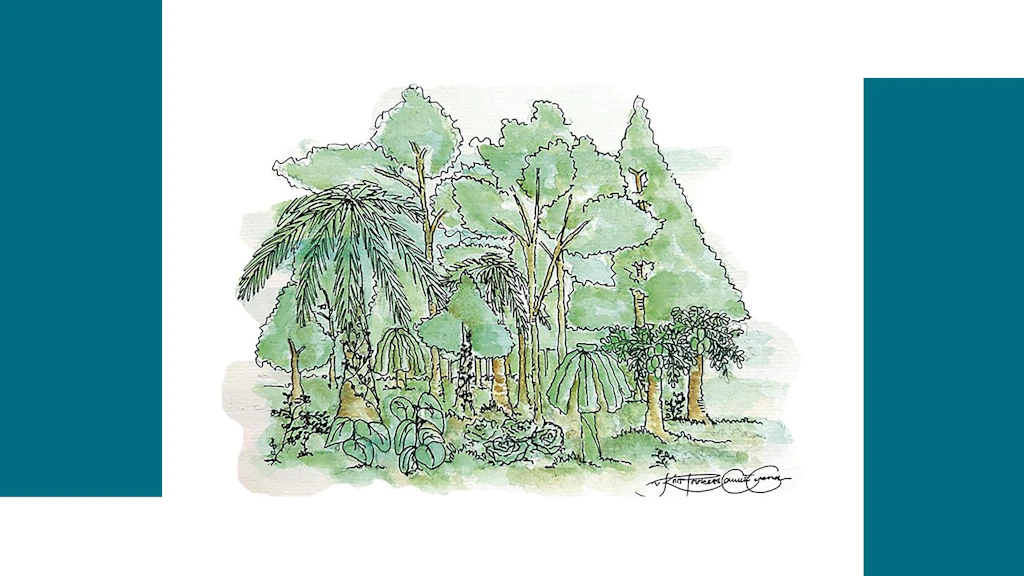
Fiches techniques pour valoriser l'eau de pluie
Notre plateforme vous présente son nouveau kit technique. Ces fiches, fruits de réflexions et d’échanges de bonnes pratiques constituent une ressource pédagogique qui offre aux acteurs du développement international des méthodologies et des solutions concrètes pour optimiser l’eau de pluie, cette précieuse ressource et l’intégrer dans vos stratégies de projets sur le terrain. Polyvalentes et concrètes, elles servent à la fois d’outils techniques et de sensibilisation.
Guidance tool: boosting biodiversity through agroecology
Industrial agriculture and food systems are a major driver of biodiversity loss. To address this, agroecology offers a promising pathway to fight against the biodiversity crisis through measures such as transitioning to ecological farming practices, nurturing diversity of seeds or reducing the use of polluting synthetic inputs. Discover our practical Guidance Tool «Boosting Biodiversity Action Through Agroecology». It contains practical advice on how to integrate agroecological principles and interventions into National Biodiversity Strategy or Action Plans.
Who is who

Télio Gaborit, academic trainee at the Swiss permanent mission in Rome
Depuis juillet, j’occupe le poste de stagiaire à la Représentation permanente de la Suisse auprès des Nations Unies à Rome (FAO, PAM et FIDA).