A&FS Newsletter - September 2024
The newsletter of the SDC Agriculture & Food Systems Network provides you with the latest news on projects, publications and events related to food systems and submitted by network members. It also informs about A&FS Network activities and portrays network members.
Editorial
Dear Readers,
I am pleased to share with you the third edition of the A&FS’s Newsletter. Although July and August have been a time of pause for many, we again received an incredible number of contributions. Thank you for your dedication and the high quality of your work. It's always a pleasure to discover such a wide range of initiatives and projects from around the world, all focused on making food systems more sustainable.
In this edition, our members’ articles focus on three main themes. First, we explore the latest advancements in agricultural research, featuring several crucial recent studies to guide our future actions. For example, a study from the IFPRI precisely evaluates the true costs of food in Vietnam and Kenya. Next, we highlight the remarkable resilience and adaptability of family farming through inspiring stories from Haiti, Zambia, Egypt, and Burkina Faso. Finally, we examine the importance of farmer training and extension services, showcasing the outstanding work done by Caritas in Mali, YPARD in Latin America and Africa, the NURTURE project in Cambodia, and the NICE project in Kenya. Continuing on this theme, our feature article showcases an innovative model of collaboration between farmers and partners in Armenia, which proves to be particularly effective.
As usual, our news section will keep you updated on the latest developments in food systems: recent events, new tools, and newly published reports and evaluations.
Finally, in our «Who’s Who» section, we are pleased to introduce Corinne Demenge, who has just joined the team of the SDC's Food Systems Section in Bern as Head of Section this summer. Learn more about her background and what she values in her work.
Happy reading and best wishes,

Feature
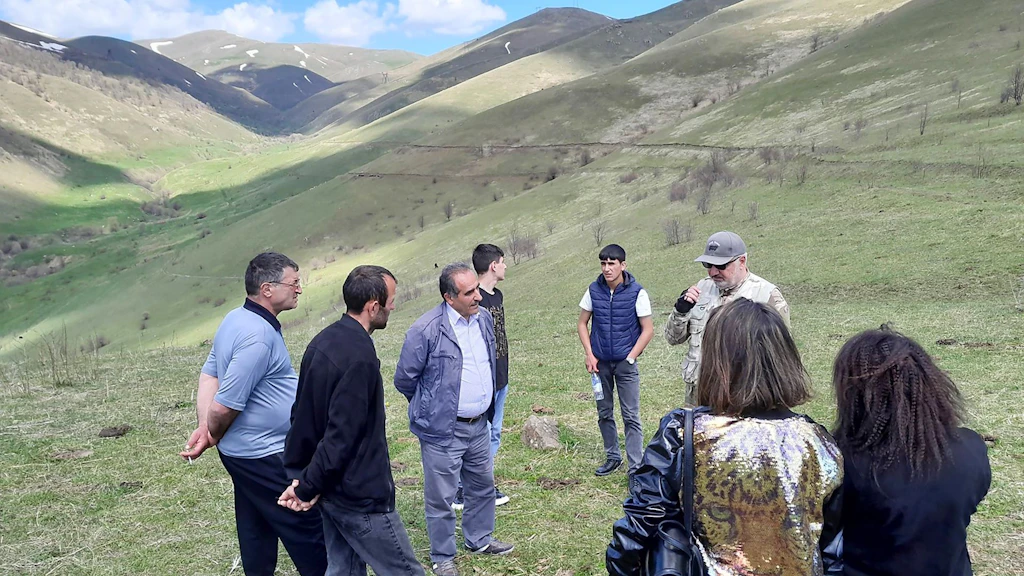
Farmer Innovation Groups co-create knowledge in Armenia
Rural Advisory Services don’t exist anymore in Armenia. With innovation groups based on the interactive innovation model, farmers co-create with partners solutions to their needs and boost their productivity. Agricultural college teachers could facilitate these groups if a shift in the job profile is made. This would also improve their competencies in providing up-to-date VET training to their apprentices. Such a form of mutual support and further development is often just as effective as a RAS, but much cheaper. Of course, this also requires farmers who understand their trade and can continue to build on it.
Members' Articles - Focus: Agricultural Research
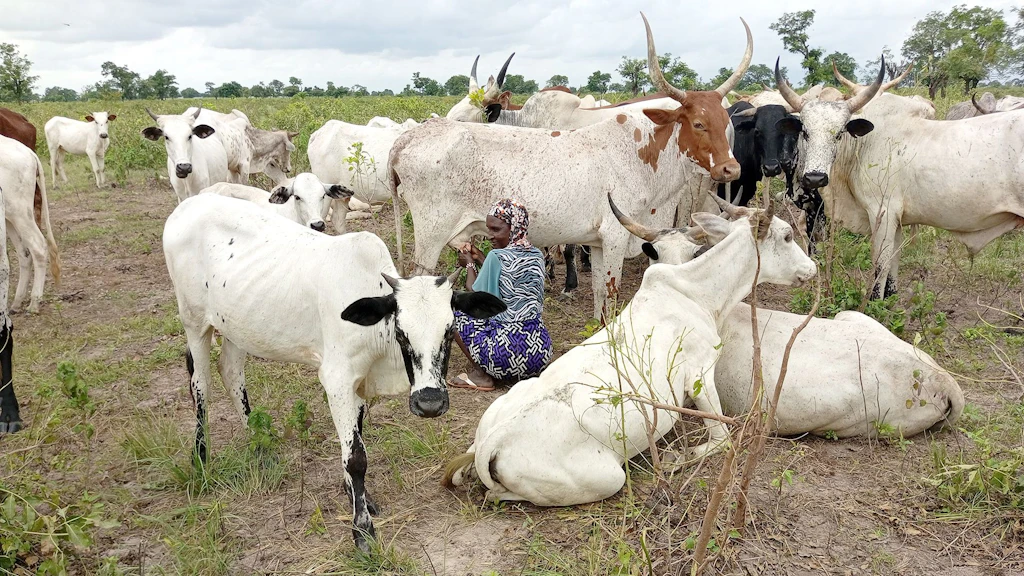
Résidus d'antibiotiques dans le lait du Togo
Au Togo, le lait est issu essentiellement des élevages traditionnels de bovins. Dans ces élevages, les soins des animaux sont faits de façon empirique impliquant une utilisation anarchique d’antibiotiques (ATB). Cet usage des ATB laisse inévitablement dans le lait des résidus: ce qui suppose des dangers potentiels liés à l’utilisation des antibiotiques sur la santé humaine. Au Togo, VSF-Suisse a réalisé une étude pour déterminer la présence de résidus antibiotiques dans le lait: une première dans ce pays.
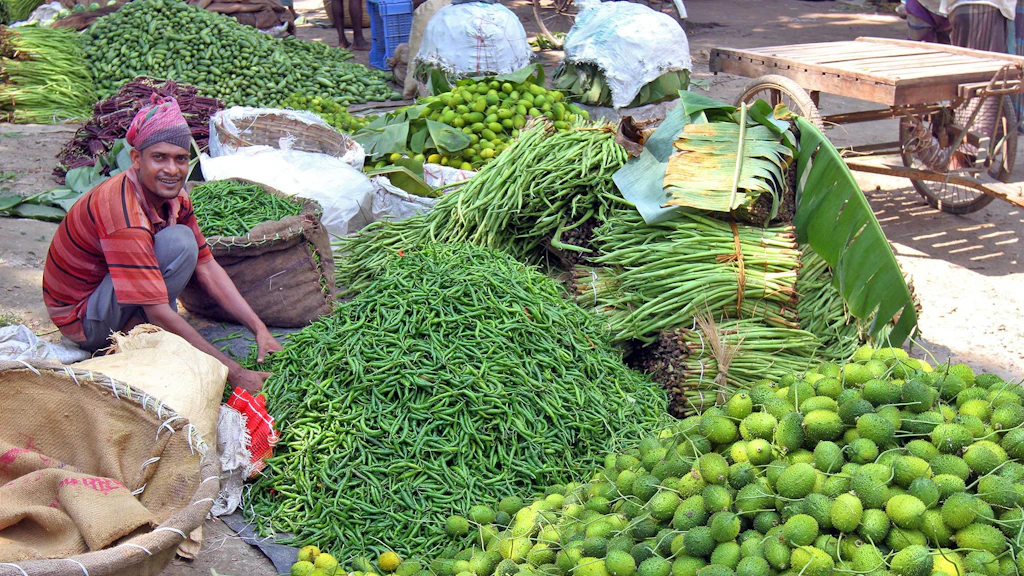
True costs of food production in Kenya and Vietnam
Food prices are going up, but the numbers alone do not tell the whole story of how much food truly costs. Even as prices soar, no one pays true food costs when social and environmental externalities are accounted for. This article presents the results of a true cost accounting exercise in Kenya and Vietnam undertaken by the CGIAR Nature-Positive Solutions Initiative. Social externalities were relatively more important in Kenya and environmental ones in Vietnam.
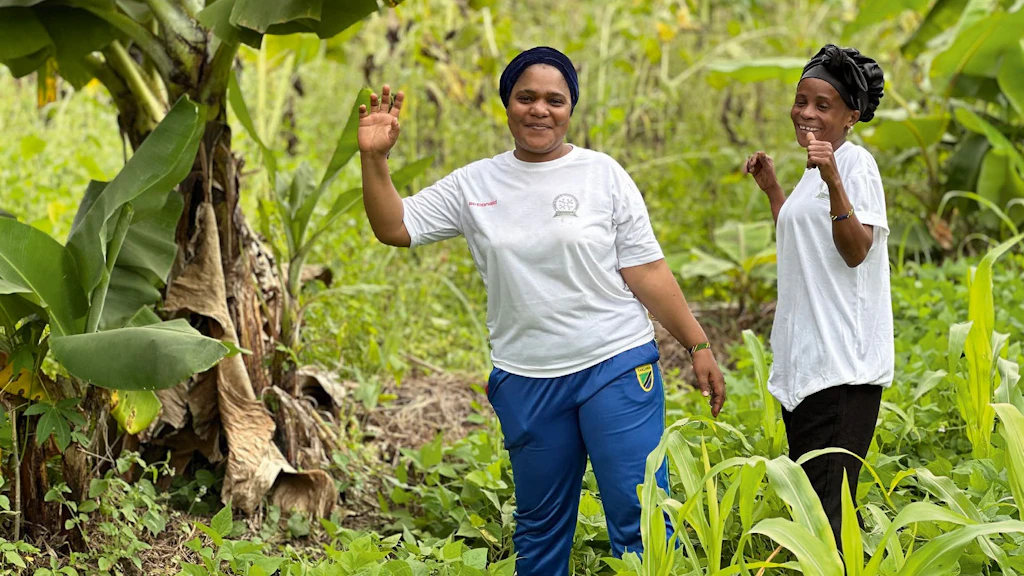
Agroecology in Southern Africa: Financing the Transition
The Partnership for Social Accountability (PSA) has just published a new report assessing the extent to which national agricultural policies, as well as budgeted programmes and projects, support agroecology in Malawi, Tanzania, Zambia, and Zimbabwe. Despite some progress, the report reveals that support in these countries continues to favour conventional, industrial farming practices.
Members' Articles - Focus: Family Farming
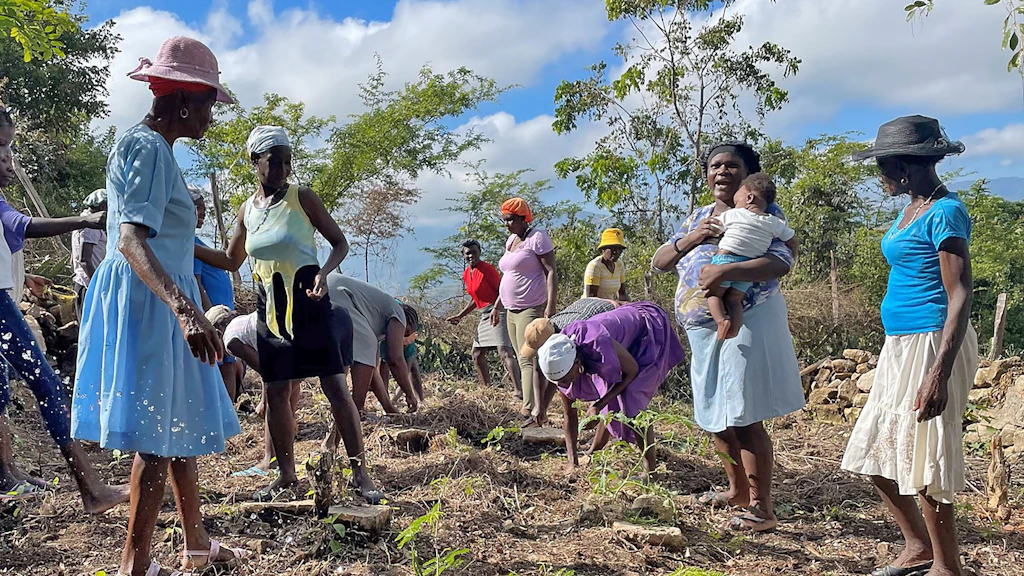
Agriculture familiale: cœur du système alimentaire en Haïti
Face à un niveau de violence extrême et une crise alimentaire sans précédent, comment chercher la résilience et la durabilité dans les actions entreprises tout en s’assurant de respecter le principe de la localisation de l’aide ? En réunissant les acteurs humanitaires, de développement et de construction de la paix pour apporter une réponse collective, processus dénommé Triple Nexus. Un point commun entre tous ces acteurs ? Leurs estomacs. Et qui remplit les estomacs ? Les paysan·ne·s.
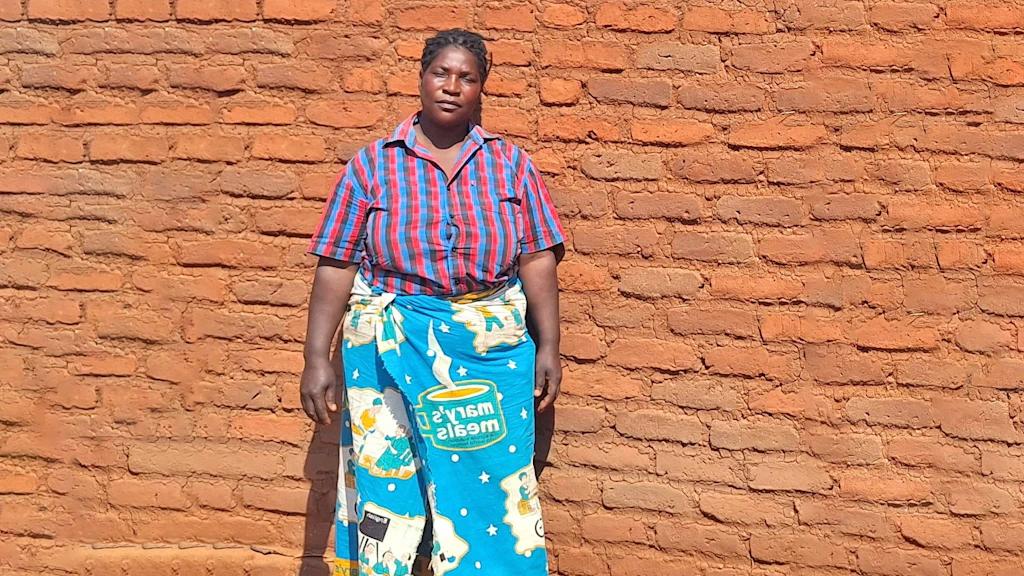
How a woman farmer was empowered by ZARI’s Groundnut seed
In Kagunda village, located in Chipata, Mrs. Phiri’s once meagre groundnut harvests have transformed into a thriving success story, thanks to the Market and Seeds Access Project (MASAP), a 12-year initiative funded by the SDC and implemented by a consortium of organisations in Zambia and Zimbabwe, including the Zambia Agriculture Research Institute (ZARI). After receiving high-quality seeds and training through MASAP, she produced a yield of 450 kg of groundnuts from only one acre of land, securing food for her family and earning a substantial K9000.

Un pastoralisme inclusif des femmes et des jeunes au sud du Burkina Faso
Le projet MODHEM+, financé par la SDC et mis en œuvre par SNV, soutient la construction d'infrastructures afin d’améliorer la mobilité et la santé du bétail, et valoriser les chaînes de valeur pastorales bénéficiant aux jeunes et aux femmes. En collaborant avec les communes, le projet veille à inclure ces groupes dans la réalisation, l'entretien et la rentabilisation des infrastructures. Cette approche favorise une gestion durable et pacifique des ressources, tout en renforçant la résilience des populations pastorales du sud du Burkina Faso.
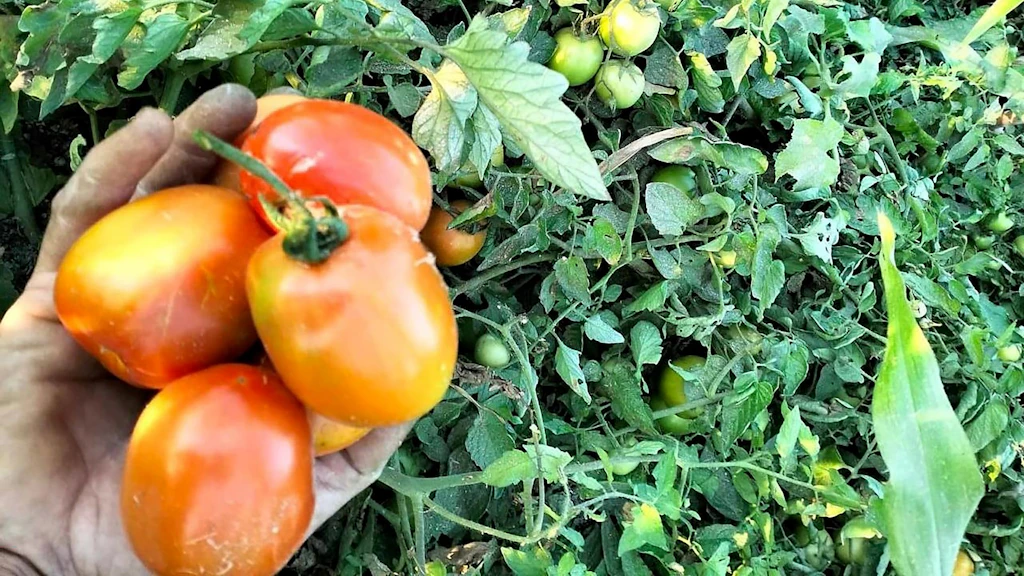
Egyptian success: self-sufficiency with organic vegetables
Food insecurity is a major problem around the world, especially in African countries. Egypt is one of the most vulnerable countries that will be affected by climate change, and promoting sustainable agriculture is vital to mitigate the effects resulting from climate change. The latest success story follows two married local farmers and their quest to transform their small farm into a successful business while maintaining self-sufficiency in their organic vegetable needs. BioPyramids Biotech taught them how they can cultivate and produce organic vegetables for their needs and for consumers in their village in an eco-friendly manner.
Members' Articles - Focus: Farmer’s trainings & extension services
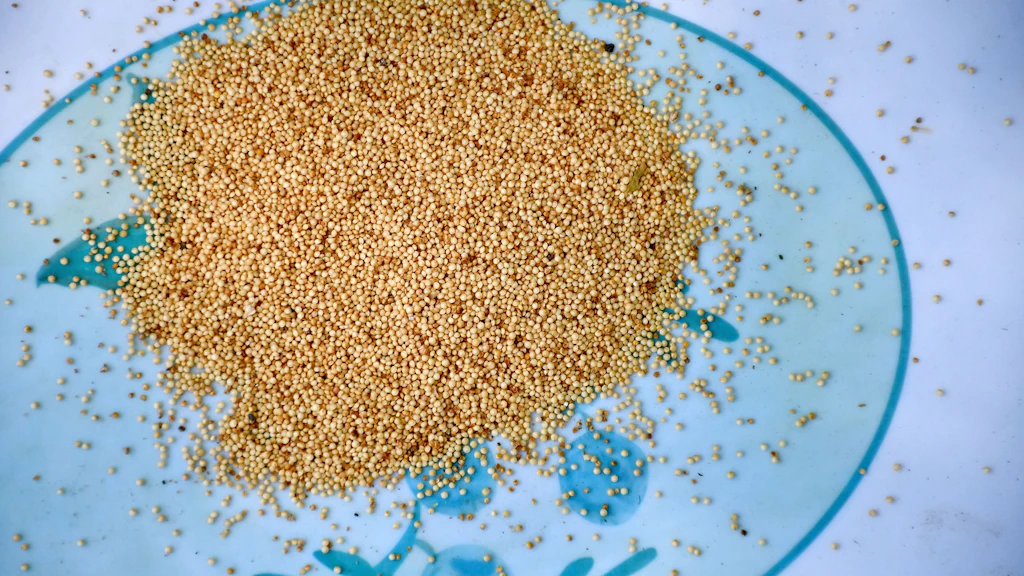
Agroecological practices for leafy vegetables and sweet potatoes in Kenya
Walatsi Locational Self-Help Group is a group of smallholder farmers that hails from Busia County, Nairobi Kenya. Through the support of the Nutrition in City Ecosystems (NICE) project the group was educated in agroecological practices (AEPs) and is now producing nutritious leafy vegetables with the practices learned.
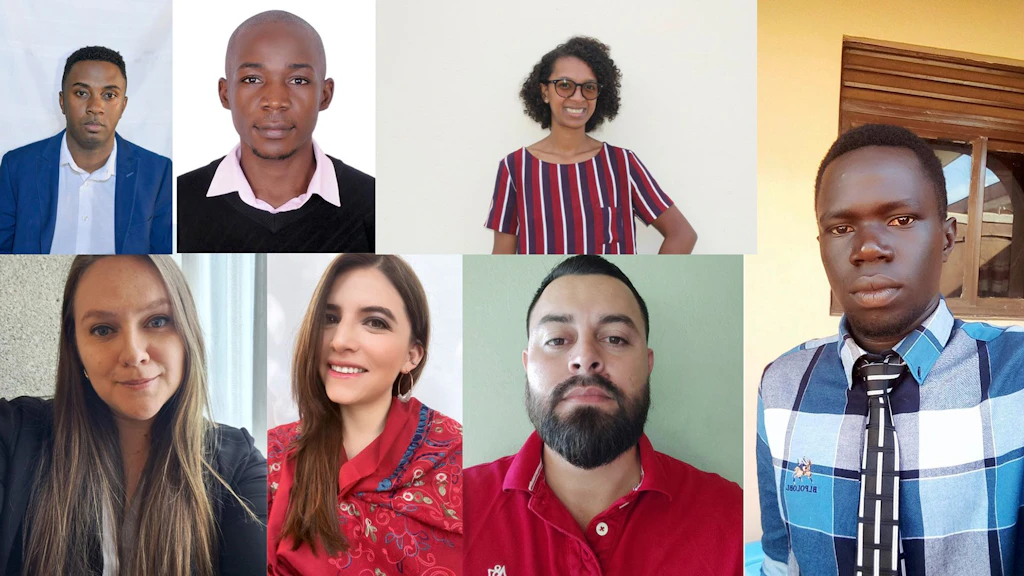
Transforming Agroecology: Empowering young fellows in Africa and Latin America
The GP-SAEP project aims to remove barriers to the adoption of agroecology among small-scale producers. YPARD is training agroecology fellows and building youth networks in the four project countries, equipping them to support small-scale farmers in the agroecological transition. Meet our Fellows from Uganda, Madagascar, Ecuador, and Costa Rica, and contact YPARD to connect with their efforts!
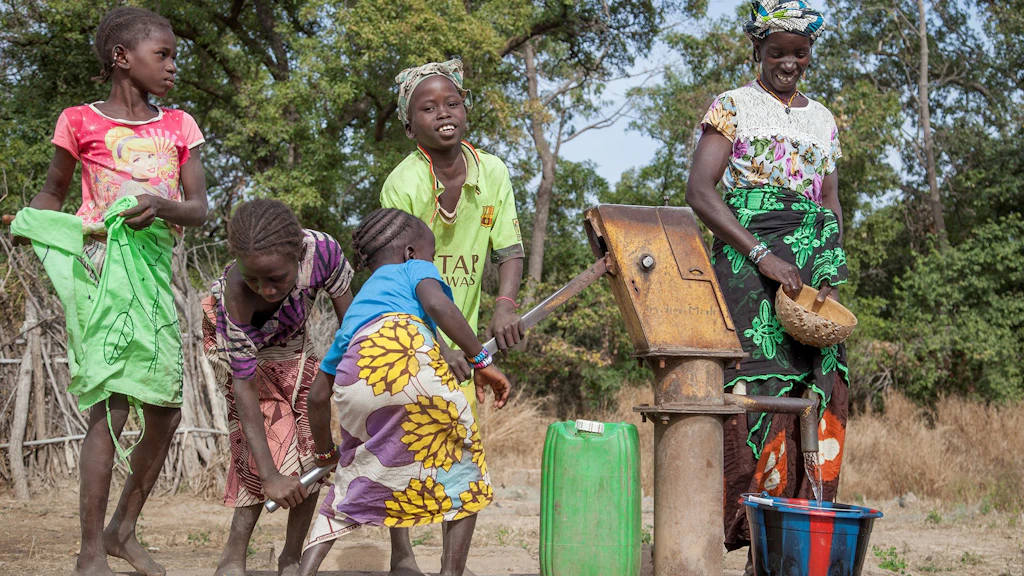
Agricultural Adaptation: The Climate Challenge in Mali
In the Kita region, in the west of Bamako, Malian farmers must rethink their farming methods to improve their yields, transform their crops, and sell them. Despite difficult conditions, solutions exist and are already being implemented such as processing centres for their products. Caritas Switzerland supports the farmers of the region through its climate adaptation project KITA III.
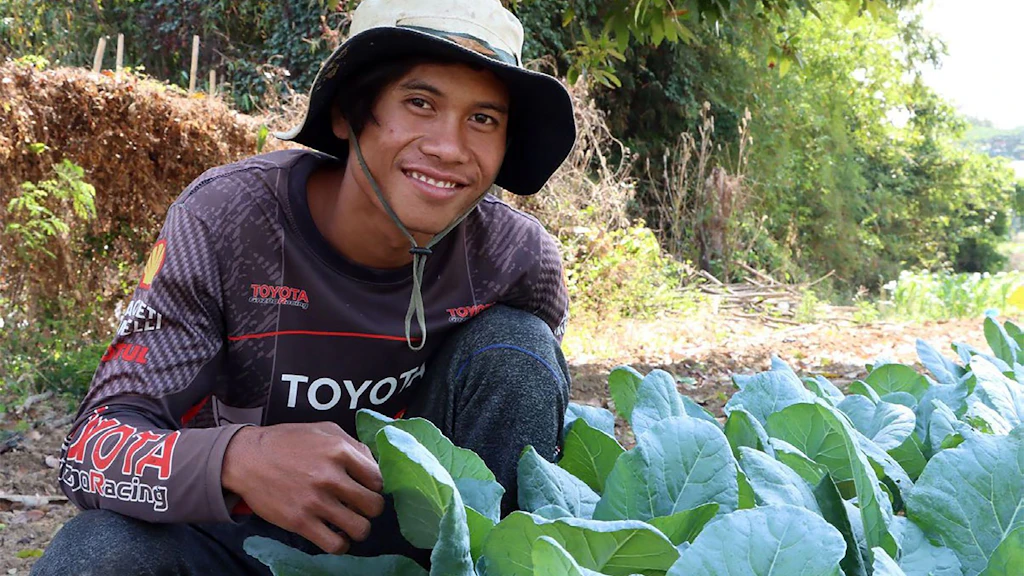
Engaging Youth in Agriculture: Ravuth’s Journey with the Nurture Project
At just 19 years old, Ravuth Sun was on the brink of abandoning his family's farm in Cambodia, faced with low yields and the temptation to seek work in Thailand like his siblings. But with the assistance of the East-West Seed Knowledge Transfer Team and the Nurture Project, Ravuth was able to envision a brighter future for his farming. With training in modern farming techniques, he turned his struggling cucumber farm into a thriving venture, inspiring other farmers in his community. Discover how Ravuth's journey exemplifies the power of youth in shaping the future of sustainable agriculture.
News
Launch of the Agroecology Promotion Programme (APP) for Sub Sahara Africa
The SDC has officially launched the Agroecology Promotion Programme (APP) in Botswana with the African Union Commission (AUC) Continental Steering Committee Members on 11th July 2024. The programme’s overarching goal is to champion agroecology as a pathway for building sustainable, resilient, localised, and healthy food systems worldwide and in particular in Sub-Sahara Africa and South-East Asia. Biovision Africa Trust will spearhead the programme's efforts across Sub-Saharan Africa, coordinating with key partners like Afronet, PELUM Association, PELUM Kenya, SHONA, and the Agroecology Fund.
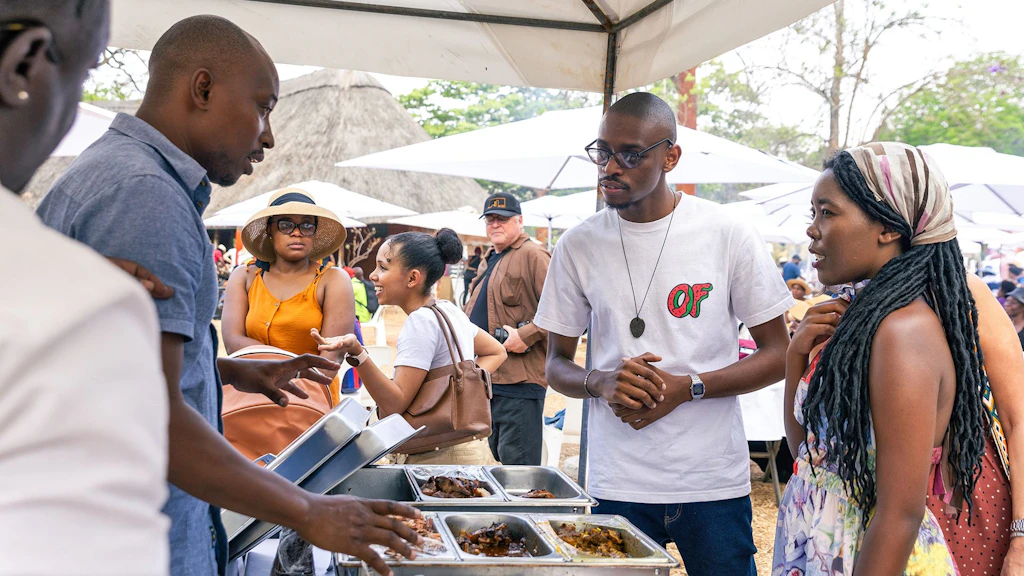
Transforming Zimbabwe’s Food System Through Seed and Food Festivals
Zimbabwe faces a nutrition crisis related to food insecurity and poor consumption behaviour. To address this, local organisations, supported by SDC, are championing indigenous, climate-resilient crops through seed and food festivals. These events highlight traditional foods' nutritional and environmental benefits, offering a platform for smallholder farmers and food producers. The 2024 National Good Food and Seed Festival held on 14th September in Harare showcased Zimbabwe’s diverse, resilient, local foods, aiming to transform the nation's food system.
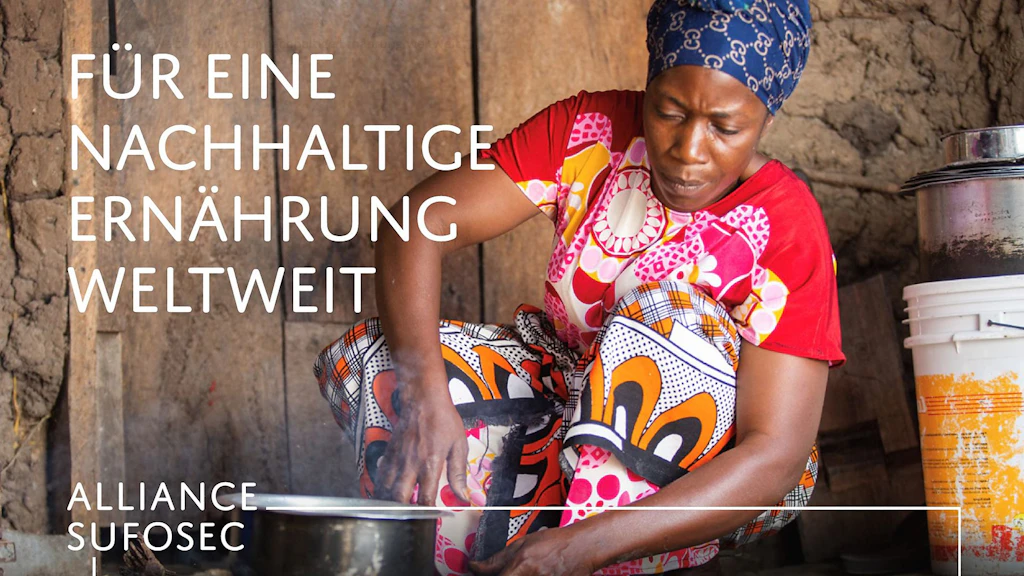
New factsheet published by Sufosec
The Swiss NGO Alliance Sufosec – Fastenaktion, SWISSAID, Vétérinaires Sans Frontières Suisse, Vivamos Mejor, Aqua Alimenta, Skat Foundation – has published a new fact sheet detailing the progress of its joint programme in addressing global food insecurity. The report showcases significant success, including a 15 percent reduction in food insecurity among 10,000 smallholder households across 19 countries, despite challenges like the COVID-19 pandemic and extreme weather. The full report, set for October release, promises further insights into the impact of agroecological practices.
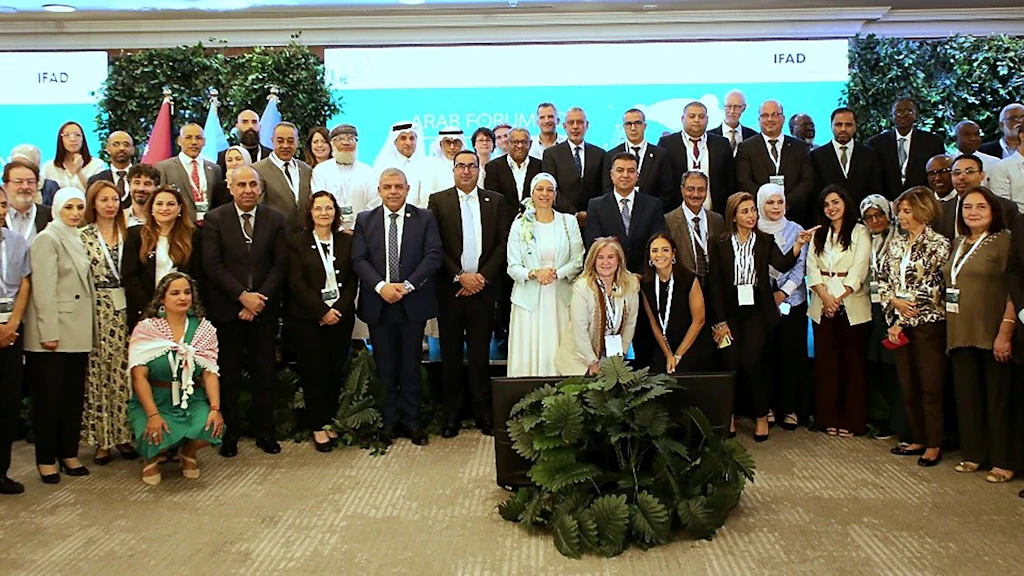
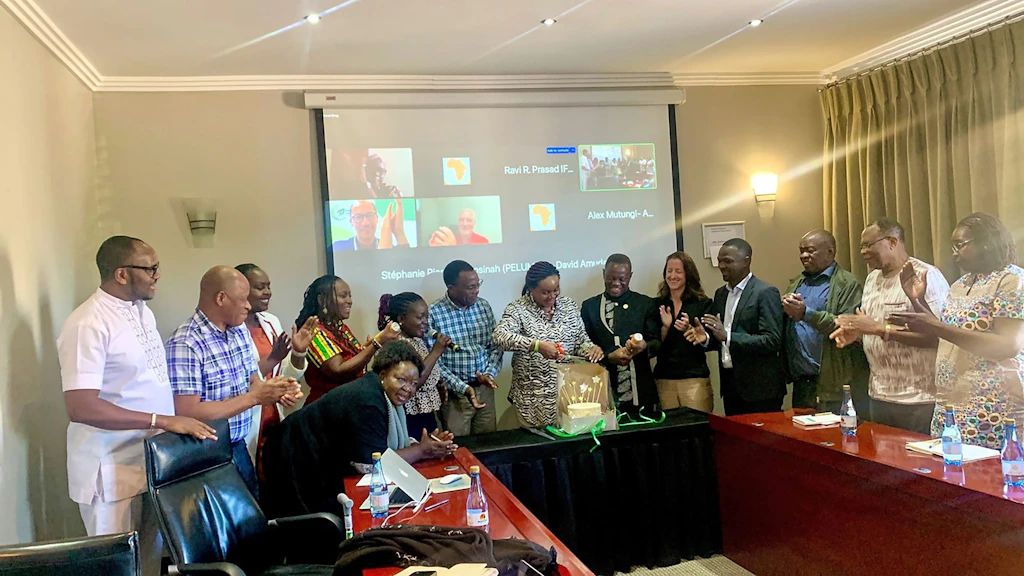
Extension Services Innovation in the Arab Region
The GFRAS network is expanding to the Arab Region with strong support from local governments, FAO, and IFAD, advancing advisory services. The Arab Forum for Rural Advisory Services (AFRAS) held its first annual meeting in Amman, with 17 countries working to enhance service delivery for farmers, boost food security, and promote stability. Previously absent from the global GFRAS network, the Arab Region is now integrating into the global space, aligning international expertise with local needs, contributing to rural transformation and achieving the SDGs.
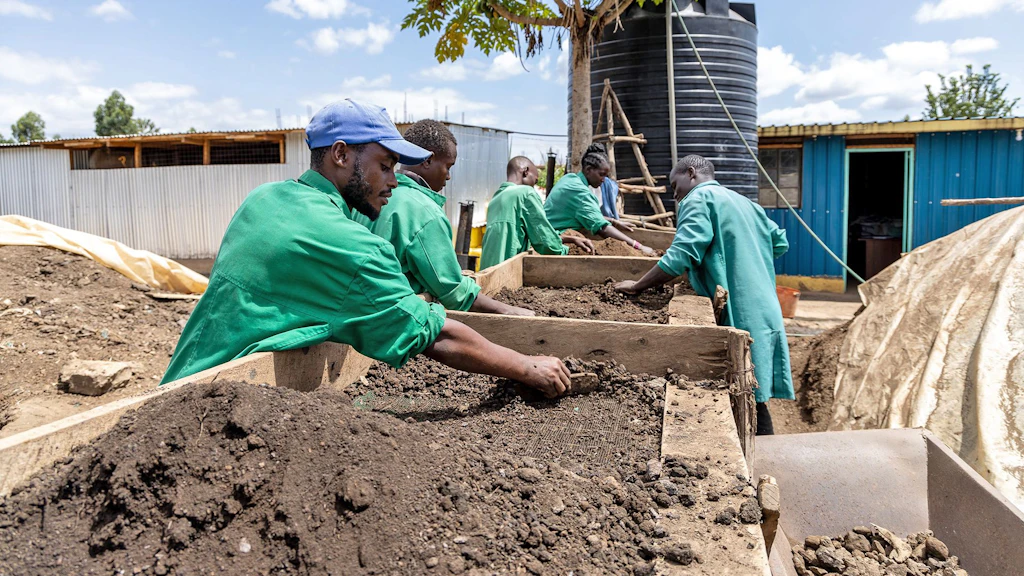
Farmer-centric organic fertiliser distribution
There is increasing demand for organic inputs in Kenya. Despite the sector's rapid growth, there is a noticeable gap between the availability of organic fertilisers and biofertilisers and its accessibility and demand among smallholder farmers. As part of a larger project on the challenges and opportunities for Agroecological Enterprises (AEEs) in Kenya and Uganda, Biovision and its partner «Practical Action» have just launched the learning brief «A farmer centric approach to the distribution of organic fertiliser in Kenya».
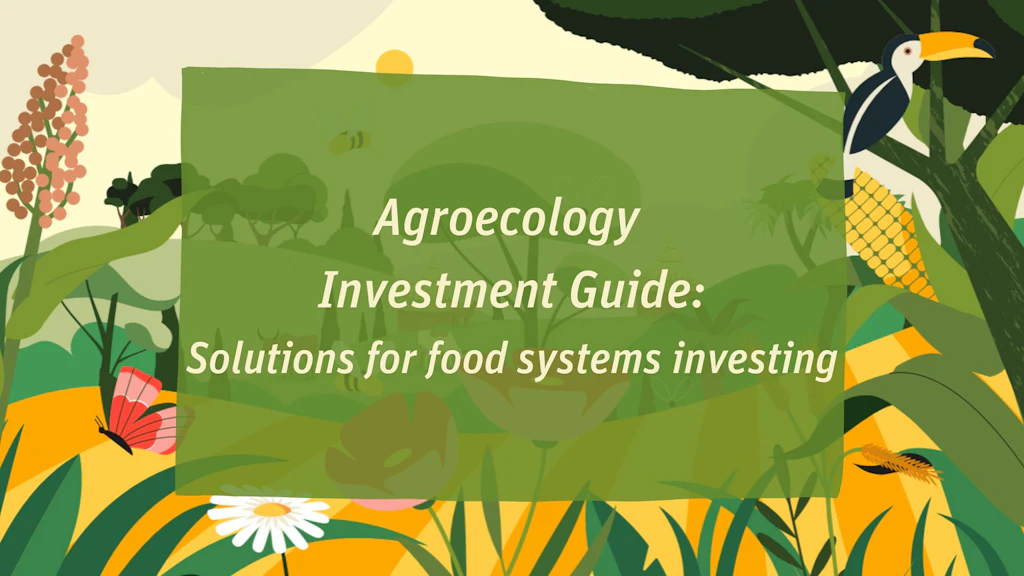
Agroecology Investment Guide for Food Systems Investing
Biovision recently launched the Agroecology Investment Guide to raise awareness on financing enterprises aligned with the 13 principles of agroecology. The guide defines and showcases agroecological enterprises (AEEs), demonstrates their social, environmental & economic impacts, and shares insights into innovative financing models. Have a look at the guide and learn more about how investments into AEEs can transform food systems.

Who is who: Corinne Demenge
Short biography: Corinne Demenge has recently taken on the role of Head of the Food Systems section at SDC, where she has been working for over 16 years. She has a background in Development Studies and International Relations from the Graduate Institute (IHEID) and the University of Oxford. Before joining the team in Bern, she worked in Nepal, Switzerland, Tajikistan, and India