
A&FS Newsletter - November 2025
The newsletter of the SDC Agriculture & Food Systems Network provides you with the latest news on projects, publications and events related to food systems and submitted by network members. It also informs about A&FS Network activities and portrays network members.
Editorial
Dear readers,
Welcome to our autumn edition! We have put together some inspiring and informative reads to accompany you during the rainy days that this new season will bring.
This edition begins with a focus on resilience in the agriculture and food sector. The network started this August a Learning Lab on Resilience Thinking, with experts from ODI Global. The first session explored what resilience truly means and why managing trade-offs is central to resilience practice, while the second focused on applying resilience in action to improve programming and decision-making. If you missed it, I encourage you to watch the recordings.
You can then, in this newsletter, discover examples of resilience applied in projects around the world, and read some news about inspiring projects, recent publications and events. Last but not least, our two colleagues, recently decentralized in Dakar, Senegal, will introduce themselves to you in less than 3 minutes.
We wish you an informative and inspiring read!

Editor's pick
Resilience
Climate resilience through seed system
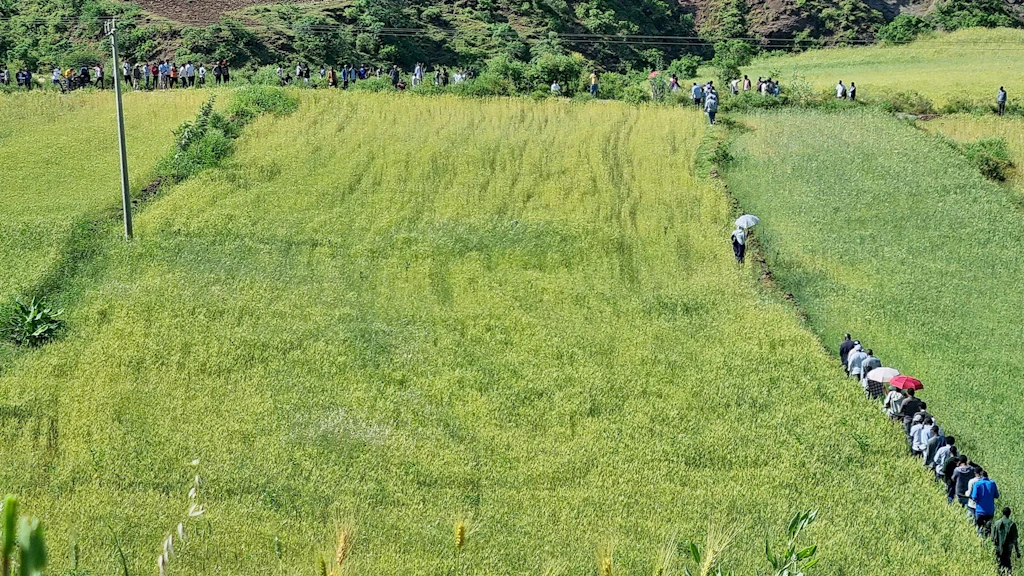
The Climate Adaptation and Rural Development Project (CARD) is a five-year development project, implemented by Helvetas in Ethiopia, with support from the SDC and other donors. The project aims to strengthen communities’ resilience to the impacts of climate change. One key strategy is the establishment of seed security initiatives to ensure access to quality crop seeds, even during periods of climate stress. A robust seed system can empower farmers by providing them with access to improved varieties, information, and resources, enabling them to make informed decisions about their crops. Developing and promoting climate-resilient seeds (e.g., drought-tolerant or flood-resistant varieties) helps farmers adapt to changing environmental conditions.
Climate services boost agricultural resilience in the Andes
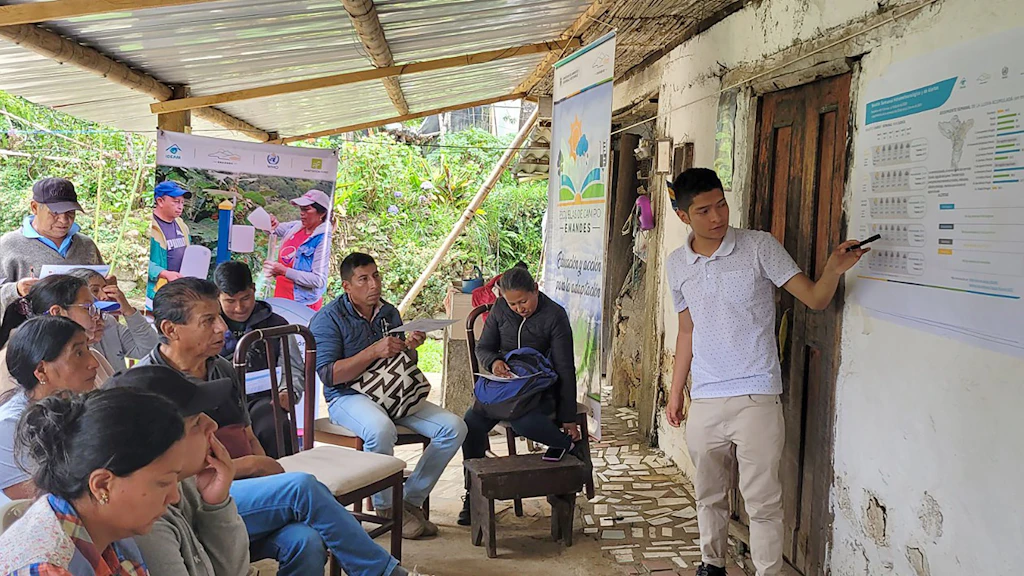
In the Andes region of South America, climate change threatens the livelihoods of smallholder farmers with unpredictable climate events. This article explores how co-produced climate services can help farmers adapt to the changing climate. Through the projects ENANDES and ENANDES+ the Colombian Institute of Hydrology, Meteorology, and Environmental Studies (IDEAM) are co-producing with farmers agroclimatic bulletins. These are produced during community agroclimatic roundtables and field schools that integrate scientific information with local observations and measurements. Together, IDEAM and the Bern University of Applied Sciences (BFH) studied the socioeconomic benefits of climate information services. The study showed how active collaboration with farmers builds resilience, strengthens trust in meteorological institutions, and supports decision-making to potentially reduce production losses.
Walls of Strength - Protecting Farms in Dahan Khakrez, Afghanistan
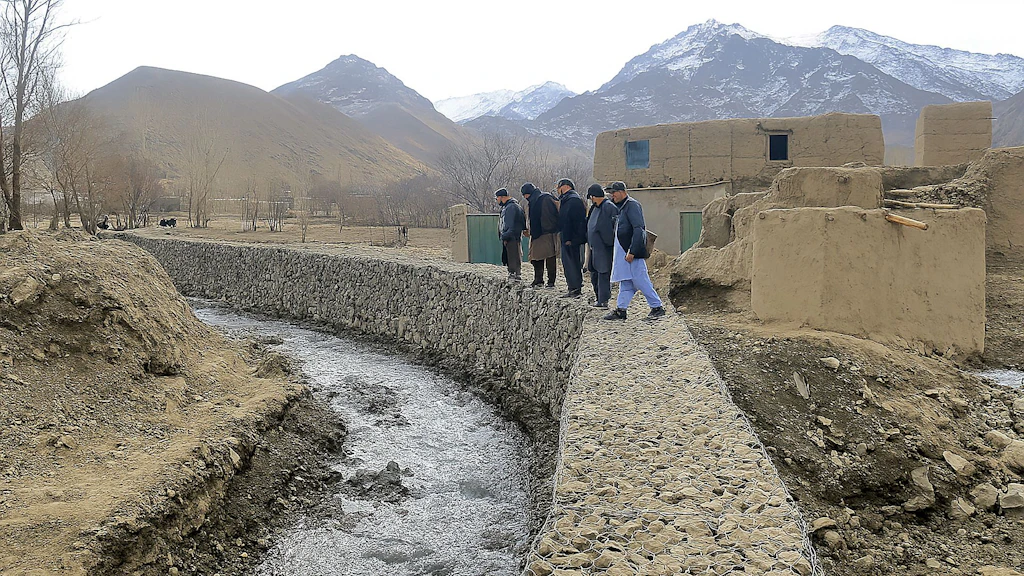
In Parwan province, the village of Dahan Khakrez has turned the tide against recurring seasonal floods. Through the Food Security and Agricultural Sustainability for Livelihoods Improvement (FASL) project, funded by the Swiss Agency for Development and Cooperation (SDC) and implemented by the Aga Khan Agency for Habitat, community-led action and smart infrastructure, farmers are now safeguarding their land and livelihoods, proving that resilience in the agriculture and food sector is not just possible, but powerful.
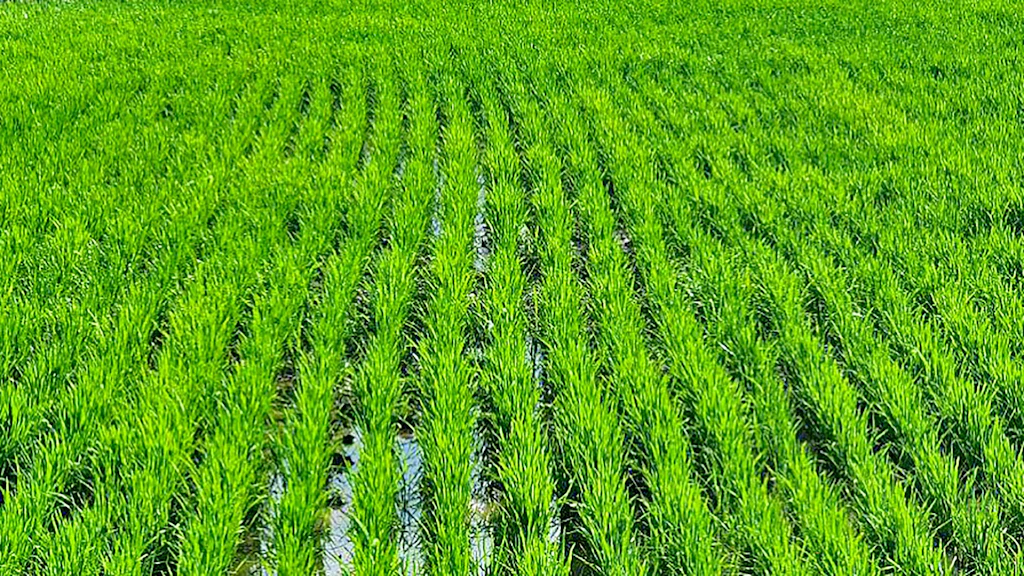
Machine planting builds farmer resilience in Cambodia
In drought-prone Roung Muoy Village in Cambodia, smallholder farmers transformed their farm through machine-planting innovations supported by Agricultural Systems Research (ASR) Crop Care and the Nurture Project. A Farmer Field School demonstrated the effectiveness of a Kubota seed drill and drought-tolerant rice variety, doubling yields and income compared to traditional methods. Their success inspired local interest, with plans to offer machine-planting services to 30 farmers in 2025. This locally-led initiative showcases how targeted support and climate-smart practices can drive sustainable agricultural transformation in vulnerable communities.
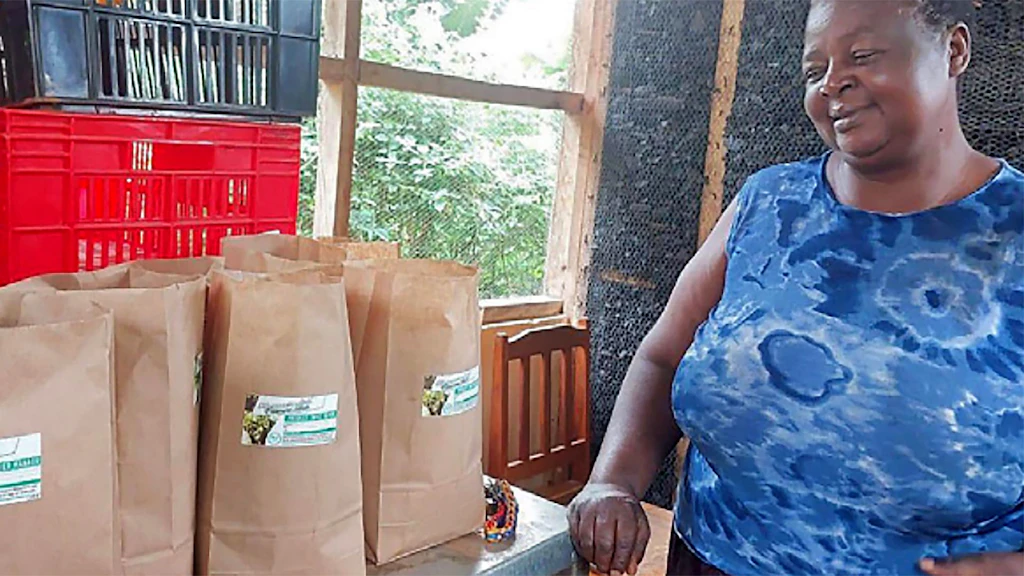
NICE continues to strengthen nutrition resilience
When it comes to food and nutrition, cities face a double burden: feeding growing populations while navigating climate shocks, economic instability, and nutrition crises. This is where the Nutrition in City Ecosystems (NICE) project has come in since August 2021. Co-funded by the SDC and co-implemented by Swiss TPH, ETH Zurich, sight and life, the Sustainable Agricultural Foundation and local government partners in Bangladesh, Rwanda and Kenya, NICE entered its second phase in July 2025, continuing its mission to improve nutrition resilience and reduce poverty among vulnerable populations in secondary cities of low- and middle-income countries.
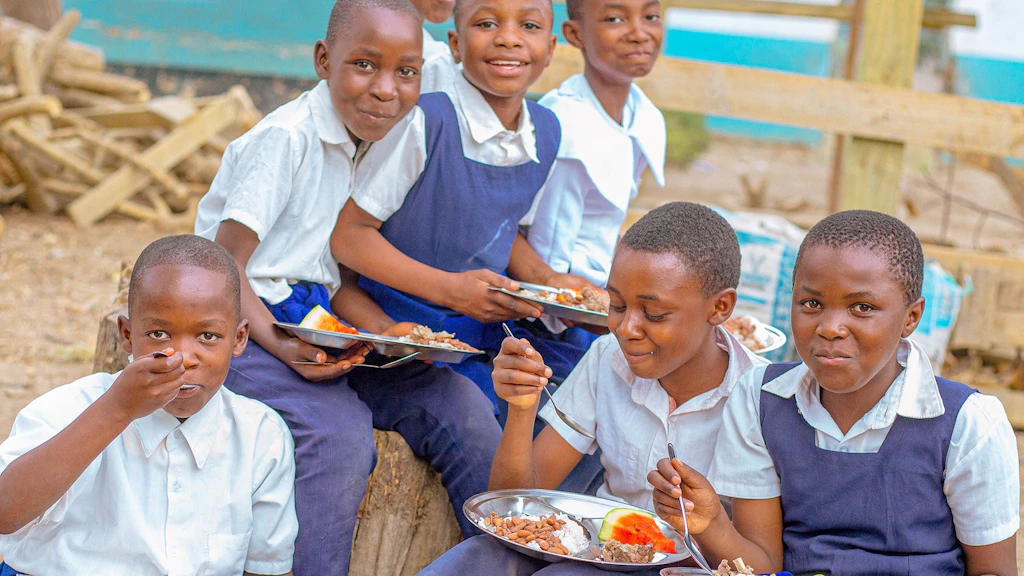
School meals for healthy and resilient generation
Despite being a food basket of Tanzania, Mbeya City faces high rates of child malnutrition, with 31% of children under five stunted. In response, the City Council, with HELVETAS through IC4N project, is revolutionizing school feeding. The program now reaches more than 121,000 children across 122 public schools, integrating locally sourced meals, parent contributions, school gardens, and student-led nutrition clubs. Early results are promising: meals with greater diversity, rising nutrition awareness, and better school attendance and concentration. Beyond improving health, this model builds stronger farmer linkages, reduces healthcare costs, and promotes climate-smart agriculture. By linking nutrition, education, and sustainability, Mbeya City is proving that school meals can power systemic change and nurture a healthier, more resilient generation.
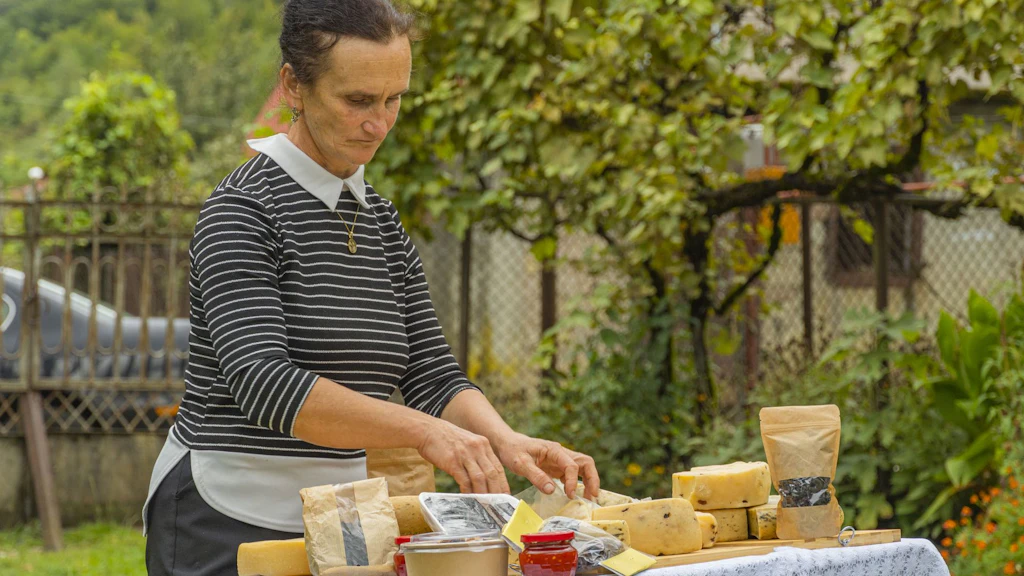
Ninoseuli Caciotta with dried figs and sweet and spicy jams
Surrounded with the mountainous terrain, in the Jvari village of the Samegrelo-Upper Svaneti region in Georgia, Nino Kavtaradze is experimenting with local food production to create “Ninoian” (“Ninoseuli”, in Georgian) innovative products. “Ninoseuli” is, in fact, the name of her brand. Nino is a Lead Farmer under a project funded by the SDC and implemented by the Food and Agriculture Organization of the United Nations (FAO).
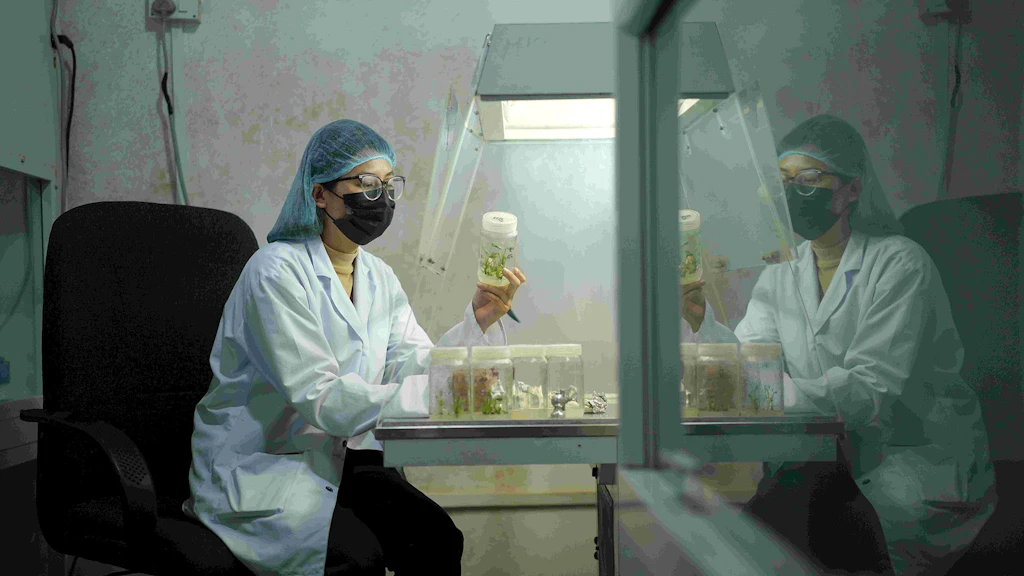
Swisscontact’s role in sustainable farming in Nepal
In the hills of eastern Nepal, a biotech startup is transforming Nepal’s cardamom industry - one disease-free sapling at a time. With support from the Swiss Agency for Development and Cooperation SDC’s Sahaj project, Monkshood Krishi is proving that innovation and investment can revive farming livelihoods and reshape agri-finance in Nepal.
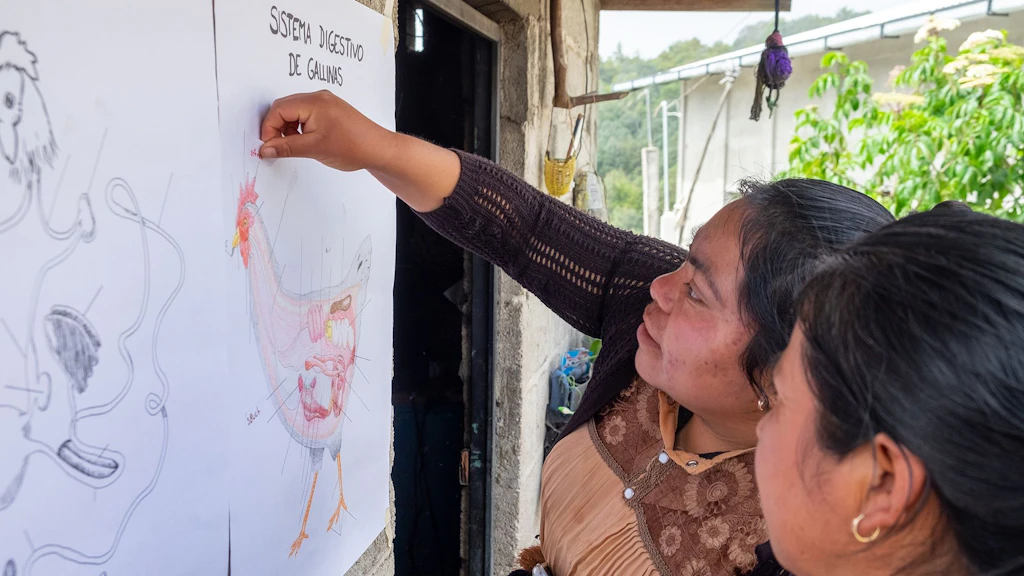
Renforcer l‘agroécologie pour cultiver la résilience
Au Mexique, et principalement dans la région du Chiapas, la violence exercée au quotidien par le crime organisé se poursuit. Ce climat d’insécurité pèse sur les habitant.es, qui cherchent à renforcer leur autonomie pour faire face à cette instabilité. Avec le soutien de l’association suisse DM (membre d’Unité) et en collaboration avec le Séminaire interculturel maya (SIM), des initiatives locales d’agroécologie familiale voient le jour, favorisant la souveraineté alimentaire et la résilience communautaire.
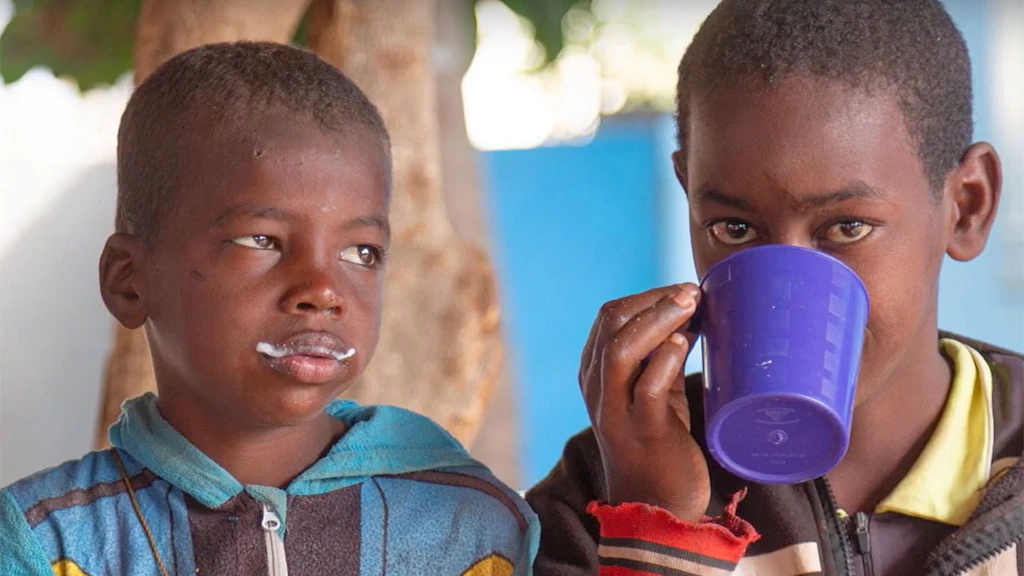
Agroecology and livestock policy brief
Agroecology offers a holistic approach to managing sustainable agriculture and food systems by integrating ecological and social principles. This policy brief explores how Vétérinaires Sans Frontières (VSF) Suisse applies agroecology in livestock systems across Sub-Saharan Africa to strengthen resilience and food security. By reducing costly inputs, enhancing soil fertility, and promoting indigenous breeds, VSF-Suisse helps small-scale farmers improve their economic situation and adapt to climate challenges. The brief highlights pathways for transitioning toward localized, sustainable food systems - showing how livestock matters for agroecology and contributes to nutrition, biodiversity, and community resilience.

RYCAD’s 2026–2030 strategy for food system resilience
In the heart of Yemen’s rural landscapes, where terraced fields have sustained civilizations for centuries, agriculture remains the backbone of livelihoods and the foundation of food security. Yet, the sector has faced profound challenges over the past decades: protracted conflict, climate variability, declining water resources, and the erosion of cooperative structures that once ensured resilience and solidarity. Against this backdrop, the Rural Youth Cooperative for Agricultural Development (RYCAD Yemen) has emerged not only as a pioneer in youth-led cooperative revival but also as a visionary institution articulating a comprehensive 2026–2030 Strategy to transform agricultural and food systems in Yemen.
News
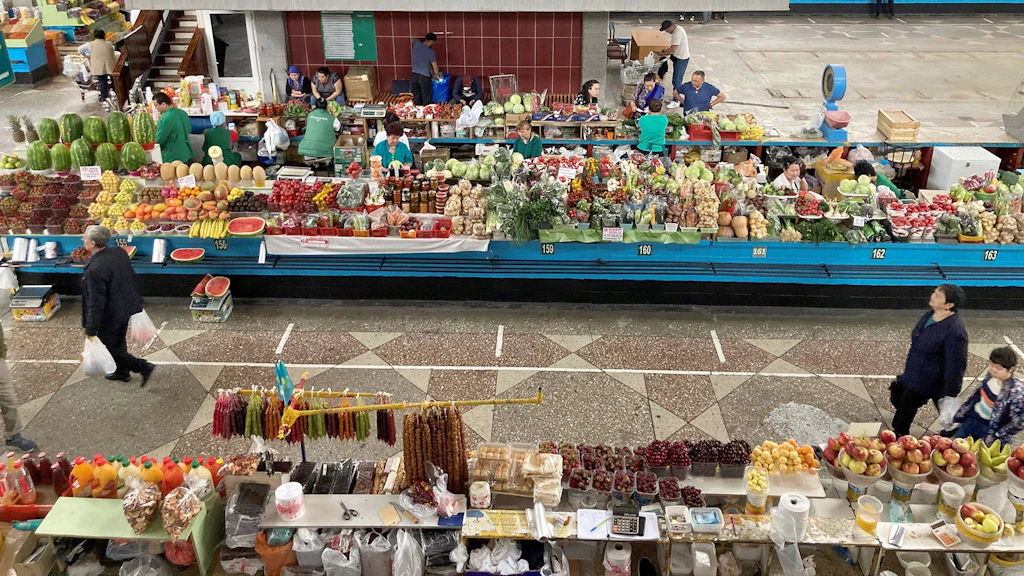
New approach for assessing food policy coherence
Food systems policy coherence is the alignment of policies that affect the food system with the aim of achieving diverse goals, to ensure that policies designed to improve one food system outcome do not undermine others and, where possible, take advantage of synergies across policy areas. Policy incoherence can lead to inefficiency and lower likelihood of achieving policy goals. To make it easier to assess policy coherence and provide actionable recommendations for enhancing it, GAIN, in collaboration with AKADEMIYA2063, created an easy-to-use toolkit. This toolkit has been applied in 10 countries in Africa and Asia, and partly in Switzerland and the UK, and is freely available.
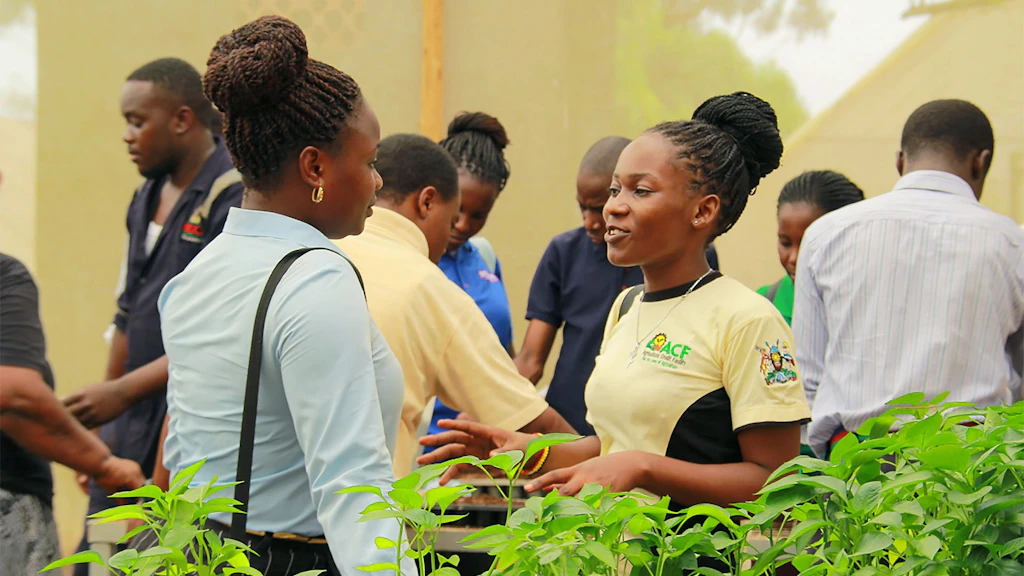
Building women- and youth-led networks in Africa
The Building Women- and Youth-led networks in Africa (WYNA) Programme supported by the Deutsche Gesellschaft für Internationale Zusammenarbeit (GIZ), implemented by YPARD, KCOA, PELUM Kenya, and AGSN was launched in September. The WYNA Programme will focus on intentional collaboration by building stronger alliances between existing multi-stakeholder women- and youth-led networks in Africa, and by providing resources, mentorship, fellowships, and training to advance agroecology and organic agriculture.

Expanding Kenya's organic sector: the AOMD project
The Accelerating Organic Market Development (AOMD) project, led by the Research Institute of Organic Agriculture (FiBL), has successfully concluded after three years of advancing Kenya’s organic sector. Funded by the Leopold Bachmann Foundation, the project expanded market opportunities for farmers, enhanced the institutional capacity of the Kenya Organic Agriculture Network (KOAN), and increased consumer recognition of the Kilimohai organic mark. Its integrated approach, combining capacity building, market development, partnership building, and leadership support, strengthened the foundation for the sustainable growth of Kenya’s organic sector while opening new opportunities for organic markets in East Africa and beyond.
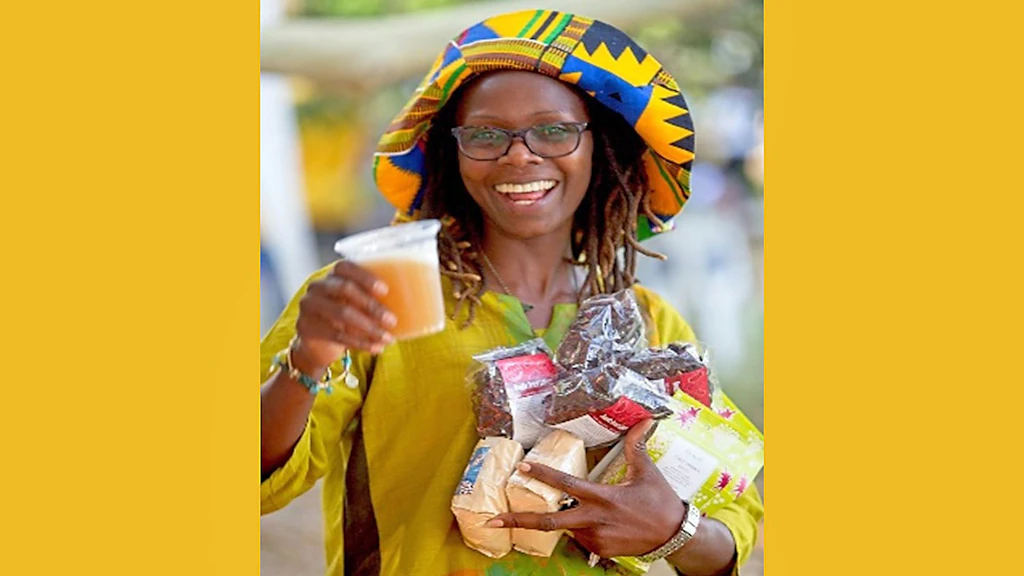
Promoting production and consumption of traditional grains
Market and Systems Access Project (MASAP) is being implemented in Zambia and Zimbabwe with funding from the SDC. Good Seed and Food Festivals are one of the interventions being implemented by the project to promote inclusivity and resilience in seed and food systems. The focus crops are sorghum, millet, cowpeas and groundnuts. The festivals create a platform for smallholder farmers and buyers and processors to exchange information on supply and demand of neglected grains. Increased consumption of neglected grains will stimulate increased production and consumption which will in turn enhance household food security, nutrition and dietary diversity. Production of such crops is beneficial to the environment and helps smallholder farmers to cope with the challenges wrought by climate change.
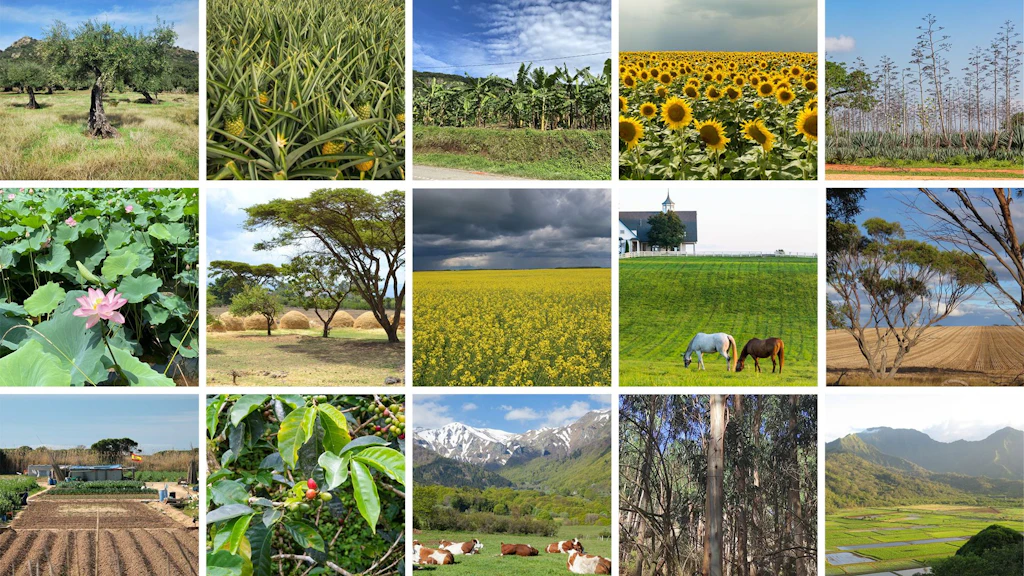
Classifying agricultural and plantation forestry ecosystems
These guidelines aim to facilitate improved knowledge of agricultural and plantation forestry ecosystems, and their relationship with other ecosystems in complex landscapes, by providing clarity on how the IUCN Global Ecosystem Typology is applied in the context of agricultural and plantation forestry production. This provides a foundation for a range of applications that can enable and support sustainable agriculture.
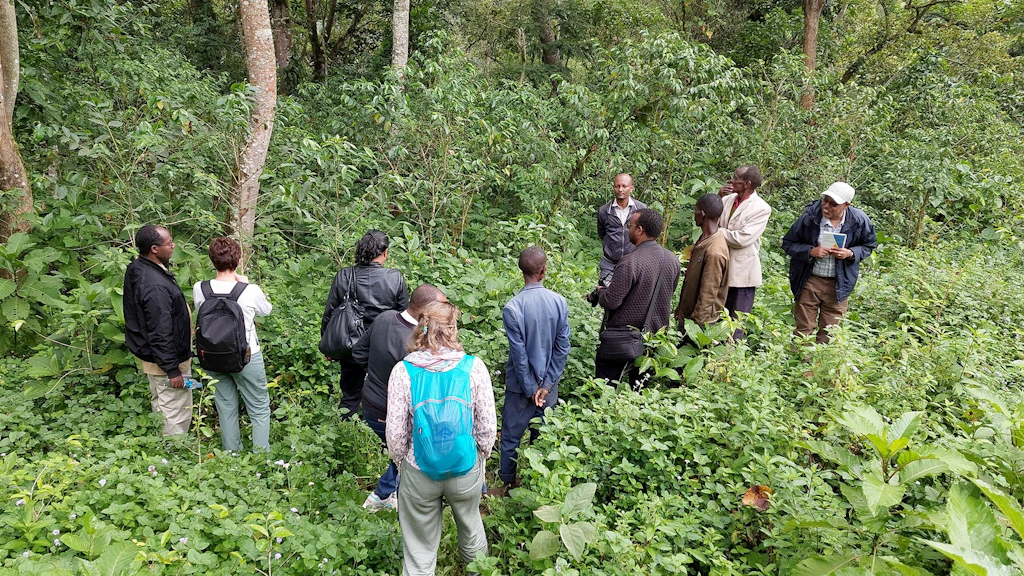
Traceability systems for sustainable coffee trade – Ethiopia
The “CARE for value and sustainability” project works on sustainable coffee trade in Ethiopia. It is a SOR4D research project led by Centre for Development and Environment (CDE), University of Bern, Water and Land Resource Centre (WLRC), and two Ethiopian public agencies. It seeks to demonstrate how the EU Regulation on Deforestation-free Products (EUDR) can be applied in a context-sensitive way by developing a locally adapted sustainable standard for deforestation-free forest and agroforestry coffee. The project works in two pilot areas, in Kaffa Zone, with forest and semi-forest coffee production systems, and in Gedeo Zone, with agroforestry-based and garden coffee systems. The project disseminates knowledge about the new EUDR regulation in both producer and consumer countries - including Switzerland.
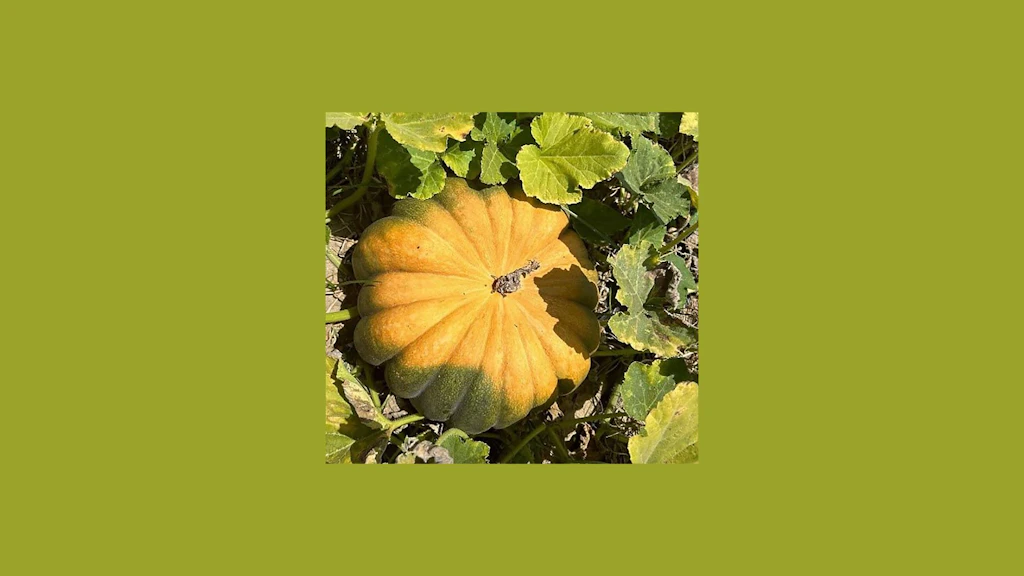
Egyptian pumpkin production with innovative biofertilizers for sustainable agriculture
As Egypt faces rising agricultural challenges from climate change, soil degradation, and increasing salinity, innovative farming solutions are becoming essential for food security and farmer livelihoods. The country's agricultural sector, which employs nearly 25% of the population, requires sustainable practices that can boost productivity while preserving environmental health. A success story from Gamasa city, Dakahlia Governorate demonstrates how advanced and innovative biofertilizer technology is transforming pumpkin cultivation, offering Egyptian farmers higher yields, better quality highly production, and reduced environmental impact.
Events
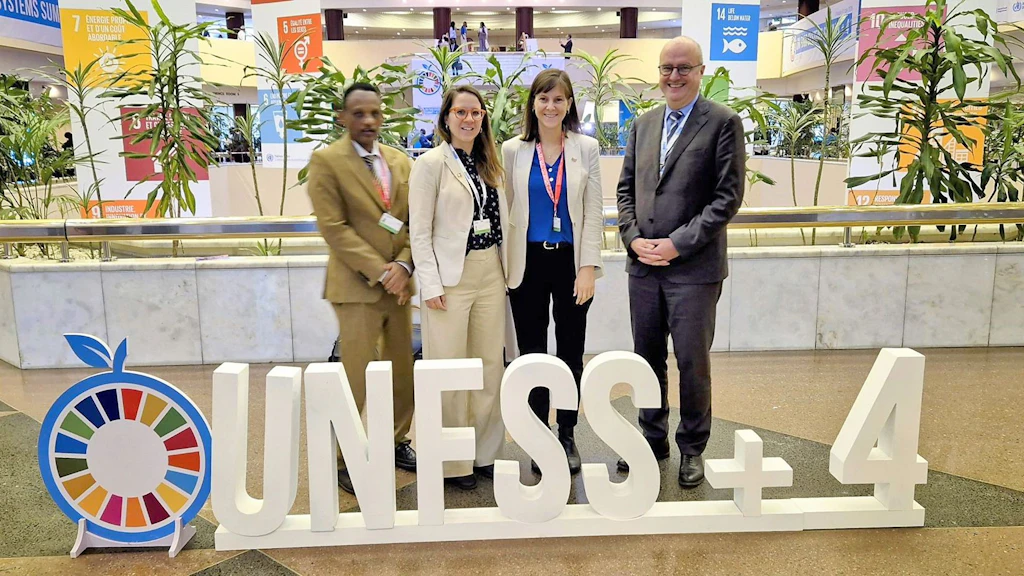
UNFSS+4 stocktake: A momentum for network action
The UN Food Systems Summit +4 (UNFSS+4), held in Addis Ababa in July 2025, brought together governments, organizations, and partners to assess progress on food systems transformation. The summit highlighted concrete advances from national pathways to billions mobilized for food systems financing. Beyond plenary sessions, side events and bilateral meetings offered valuable opportunities for partners to exchange, build alliances, and link local realities with global agendas. The event also exposed gaps, including limited civil society participation, power imbalances as well as implementation gaps. Looking ahead, the main lesson is: high-level summits are not just about declarations, but key opportunities for increased A&FS Network collaboration, proactive preparation, and collective action.
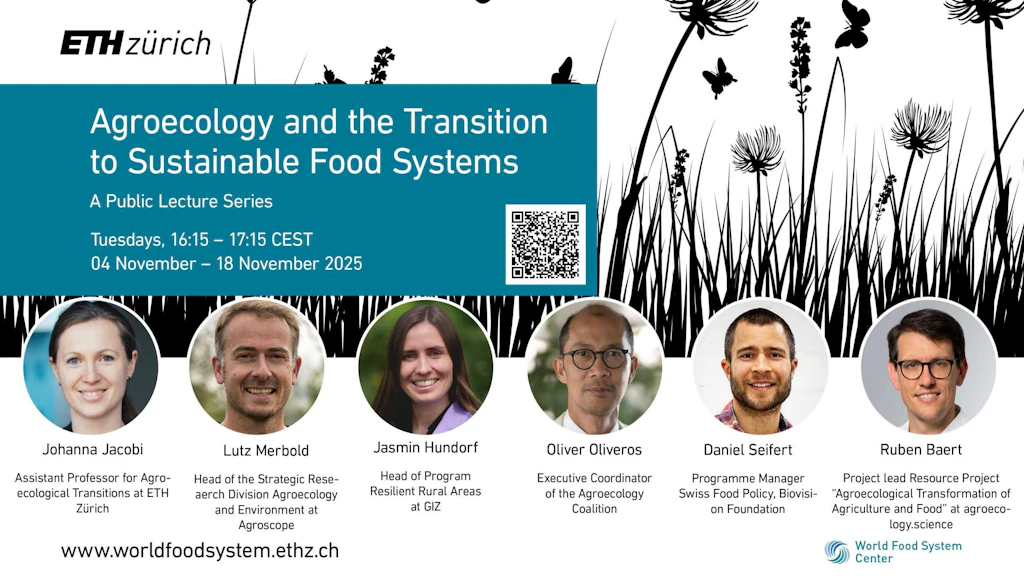
Public lecture series on agroecology
The World Food System Center at ETH Zurich has announced its 2025 Public Lecture Series on Agroecology and the Transition to Sustainable Food Systems, with experts sharing their insights from the fields of science, policy, and food system transformation. While the first lecture happened yesterday, you can still join the next two via the zoom link, or catch up on all previous lectures on their Youtube Playlist.
Who is who
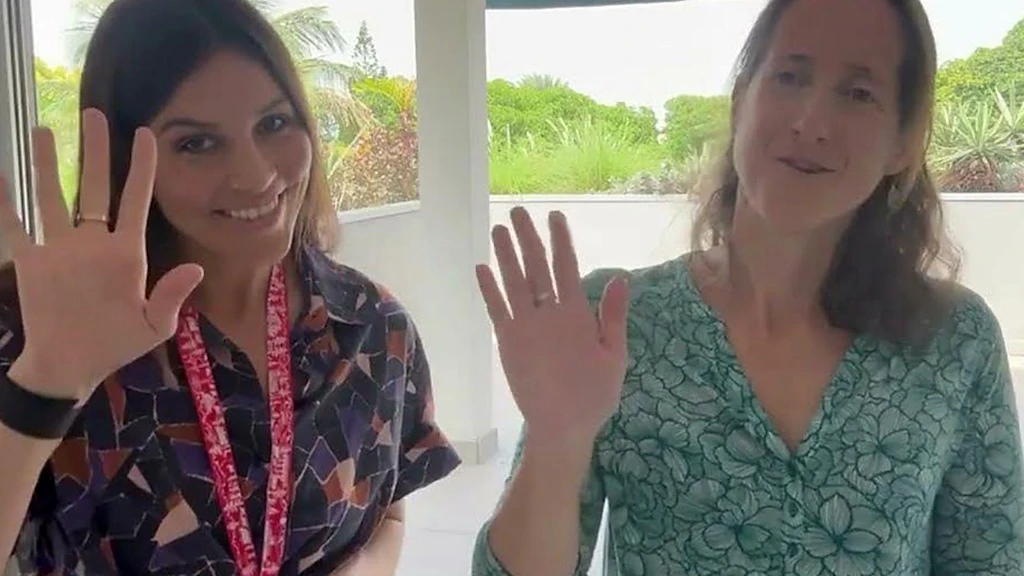
Who is who: Amanda Ammann and Stephanie Piers de Raveschoot
Working out of Dakar, Stephanie is the focal point for the Agriculture & Food Systems Network, the focal point for Switzerland for the UNCCD, and policy advisor for agroecology and natural resources management. Environmental engineer by training, specialised in water and natural resources management, Stephanie multiplied experiences between engineering work in Switzerland, development consultancy in Southern Africa, and a humanitarian stint in Haiti before joining SDC in 2015, working in the water & food systems sectors globally. Amanda is a policy and programme manager for food systems, also based in Dakar. She is responsible for the NICE (Nutrition in City Ecosystems) programme as well as for programmes on human rights in food systems. In addition to her programme-related work, she serves as the focal point for policy and advisory services for the Swiss cooperation offices in West Africa. Previously, she worked in the Latin America and Caribbean section in Bern with a geographical focus on Haiti, Cuba, and Central America, where she was amongst others responsible for the long-standing direct actions in Haiti. Get to know them better!